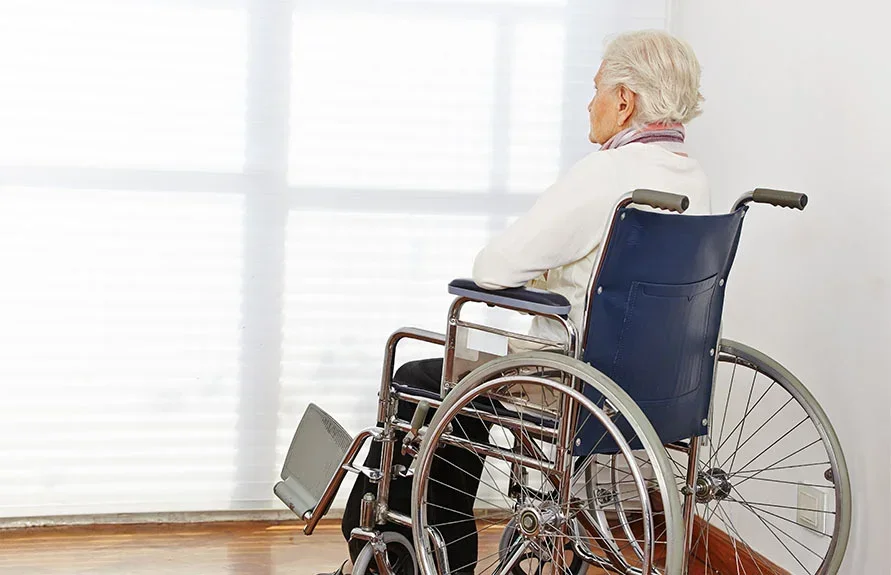
If your loved one has been a victim of elder abuse or nursing home neglect in Kansas City, you are not alone. Elder Abuse happens to 10% of adults over 60 in the United States, according to Justice.gov's "Elder Justice Roadmap." This can be in the form of physical, psychological, financial, neglect, and even sexual abuse.
Every day, 116 cases of elder abuse are reported to the Missouri Department of Health and Senior Services. In 2020, there were close to 29,000 reports and this number has risen to over 30,000 reports in 2022, with estimates reaching 33,000 cases by 2025. Missouri's nursing homes rank among the worst in the country, worst in the country when it comes to quality of care. Staffing shortages and other problems put residents at risk of neglect, abuse, worsening of chronic conditions, missed medical care, and unsafe living conditions.
At BautistaLeRoy LLC, we understand how difficult it can be to witness your elderly family member suffer neglect and even harm at the hands of those entrusted with their care. Since the 1990s, our personal injury attorneys have been fighting against elder negligence and abuse, bringing justice for families in Missouri and Kansas. We are here to help you hold negligent caregivers and institutions accountable and get the compensation your family deserves.
Contact us at 816-221-0382 or visit our Contact Us page to schedule a free consultation.
In this article we will talk about:
- The Dangers And Risks Of Elder Abuse
- Common Signs of Elder Abuse
- What Is Considered As Elder Abuse?
- Why Elder Abuse Matters
- Nursing Home Neglect
The Dangers And Risks of Elder Abuse
Elder's who are abused die earlier. In a study done involving 9318 Chicago, IL senior participants, they found that seniors were at an increased risk of mortality when exposed to different forms of abuse, according to a study from the Jama Network.
Family members and caregivers are common perpetrators. It's heartbreaking to find that elder abuse often comes from people that the elder actually knows and trusts. These can be from family members, friends, caregivers, and healthcare providers. While many family members find that caring for an elderly is fulfilling, as the elder's condition worsens, the stress of caregiving escalates and can lead to neglect or lashing out at the elder, according to HelpGuide.org. What's worse is that many older adults are physically vulnerable and unable to speak up or protect themselves.
Abuse rates are higher in nursing homes with more mental illness. Analysis from APM Research Lab shows that nursing homes with mentally ill patients have higher rates of elder abuse. Nationwide, there are at least 500 nursing homes and facilities where at least 50% of the residents have a serious mental illness.
Common Signs of Elder Abuse and Neglect
If you notice the following signs, it's time to act:
-
Unexplained injuries such as bruises, burns, or fractures
-
Sudden emotional withdrawal or depression
-
Bedsores, dehydration, or malnutrition
-
Poor hygiene or unsanitary living conditions
-
Unexpected changes in financial accounts or legal documents
-
Unexplained weight loss
-
Dirty clothing or bedding
-
Infections or untreated wounds
-
Fearful behavior around staff
-
Lack of supervision or safety precautions
If you notice any of these symptoms, contact an attorney at 816-221-0382 or visit our Contact Us page to schedule a free consultation.
Raising awareness about elder abuse is the first step towards preventing it. By understanding the different types of abuse, the warning signs, how it happens, and the risks and dangers involved, we can offer help when needed and support a culture of respect and dignity for older adults.
Why Choose BautistaLeroy?
We Get Results. Our team has a strong history of helping clients and victims of elder abuse win the compensation they deserve. Our results speak for themselves, with settlements and claims ranging from $150,000 all the way up to $8 million. If your loved one is a victim of elder abuse and neglect, our team of attorneys are here make sure you get the maximum compensation for your claim.
We Care About Winning Your Case For You. It can be overwhelming when you learn that your loved one has been abused or neglected. That is why our lawyers are not only experienced but also compassionate, professional, and genuinely supportive. We will walk with you every step of the way and make sure you feel heard, protected, and empowered throughout the legal process.
No Win, No Fee. We take care of all upfront costs and legal fees. You do not pay anything unless we win, so you can focus on what's more important--your family and loved ones. At BautistaLeRoy, we only get paid when you do.
Winning Cases Since 1990s. The attorneys at Bautista LeRoy LLC have been proudly serving the public since the 1990s, helping individuals and families recover compensation for pain and suffering, medical expenses, and lost wages caused by someone else's negligence. We have been winning cases for victims and their families in the states of Missouri, Kansas, Arkansas, Illinois, Benton County, and St. Louis. Our firm is known for achieving results—winning cases against powerful entities like Norfolk Southern Railway, Wal-Mart, Toyota Motor Co., State Farm, Shelter Insurance, Allstate, and numerous nursing home facilities across the region.



Our track record of success is backed by industry recognition and millions recovered for our clients.
Awards & Recognitions
-
Law Firm of the Year – Asian American Bar Association of Kansas City (AABAKC) (2018)
-
José M. Bautista—Missouri & Kansas Super Lawyers (2013–2024)
-
José M. Bautista—Kansas City Top 50 Super Lawyers (2014–2024)
-
Andrew S. LeRoy—Missouri & Kansas Super Lawyers (2014–2024
-
Andrew S. LeRoy—Kansas City Top 50 Super Lawyers (2019)
-
Featured in Kansas City Business Journal and Missouri Lawyers Weekly for legal excellence and high-value case outcomes
Notable Case Results
-
$8,000,000 – Rasmussen v. Bojo's Bar (2020)
-
$1,500,000 – Train Crossing Collision
-
$500,000 – Car Wreck Settlement
-
$150,000 – Nursing Home Neglect Case
Understanding Elder Abuse in Kansas City, Missouri
What Is Elder Abuse?
Elder abuse refers to any intentional act or failure to act that causes harm or serious risk of harm to an older adult. It takes different forms, and it often happens in places where they should be safe. This can be in their own homes, nursing homes, or assisted living facilities.
Here are the most common types of elder abuse:
-
Physical Abuse
This form of abuse involves the use of physical force that results in injury, pain, or physical suffering. Examples include:
-
Hitting, slapping, pushing, or kicking
-
Shaking or rough handling
-
Using restraints or confinement without a valid medical reason
-
Forcing someone to take medication—or withholding necessary medication
Physical abuse is often easier to detect because it can leave visible injuries like bruises, cuts, or broken bones. However, many cases go unreported due to fear or isolation.
-
Emotional or Psychological Abuse
Emotional abuse is just as harmful as physical abuse, although it may be harder to recognize. It involves actions or words that cause mental or emotional pain, fear, or distress. Common examples include:
-
Yelling, insulting, or belittling an elder
-
Making threats or using intimidation
-
Ignoring the person or withholding affection
-
Isolating them from family, friends, or social activities
This kind of abuse can deeply affect an elder's mental health, leading to depression, anxiety, or a sense of worthlessness.
-
Financial Exploitation
Older adults may become targets of financial abuse, especially if they rely on others to manage their finances. Financial exploitation refers to the unauthorized or improper use of an elder's money, property, or assets. Examples include:
-
Stealing cash, checks, or valuables
-
Coercing or tricking someone into signing legal or financial documents
-
Misusing a power of attorney or guardianship
-
Making unauthorized purchases using the elder's accounts or credit cards
Financial abuse not only causes economic loss but can also lead to emotional stress and insecurity—especially if it jeopardizes the elder's ability to meet their own basic needs.
-
Neglect
Neglect is one of the most common—and often overlooked—forms of elder abuse. It happens when a caregiver fails to provide necessary care or intentionally withholds it. This includes:
-
Not providing adequate food, water, or nutrition
-
Failing to assist with hygiene, medication, or medical treatment
-
Leaving the person in unsafe or unsanitary living conditions
-
Ignoring the elder's physical or emotional needs
Even when unintentional, neglect can result in serious health problems and a rapid decline in an elder's well-being.
Why Elder Abuse Matters
At BautistaLeRoy, we care deeply about protecting the rights and well-being of older adults here in Kansas and Missouri. Elder abuse isn't just a private matter—it's a serious issue that affects the safety, dignity, and independence of our seniors. When someone causes harm to an elder—whether physically, emotionally, financially, or through neglect—it's not only wrong, it's a violation of their basic rights.
Every older adult deserves to feel safe, respected, and cared for. That's why it's so important to recognize the warning signs of abuse and speak up when something doesn't feel right. Whether you're a family member, caregiver, neighbor, or an older adult yourself, your voice can make a difference.
If you suspect abuse or neglect, don't hesitate to reach out to local adult protective services, law enforcement, or a trusted healthcare provider. And if you're looking for legal support or just need someone to guide you through the process, our team at BautistaLeRoy LLC in Kansas City, Missouri is here to help. We'll listen, we'll advocate, and we'll work with you to protect what matters most.
Together, we can make sure our elders are treated with the kindness, care, and respect they've earned—and deserve.
Nursing Home Neglect
Trusting someone else to take care of your aging parent or loved one is one of the most difficult decisions you can make for yourself or your loved one. Whether it's because of work, distance, personal health, or other responsibilities, many families simply can't provide full-time care at home. That's why nursing homes and long-term care facilities exist: to offer professional, compassionate support when families need help.
But what happens when the very people entrusted with that care fail to meet even the most basic standards? Sadly, nursing home neglect is more common than many realize—and its impact can be devastating.
Neglect isn't always loud or obvious. It can happen slowly, quietly, and behind closed doors. And because many older adults are unable—or afraid—to speak up, it often goes unnoticed until serious harm has occurred.
That's why it's so important to understand what nursing home neglect looks like and what you can do if you suspect a loved one is being mistreated.
What Is Nursing Home Neglect?
Nursing home neglect happens when a facility fails to provide the care, attention, or supervision that a resident needs. This neglect can be intentional, but it's often the result of chronic understaffing, poor training, or simple disregard for a resident's well-being.
Unlike physical abuse, which involves direct harm, neglect is about what isn't being done—meals not served, medications missed, calls for help ignored. Left unaddressed, these failures can lead to serious health complications, emotional distress, and a rapid decline in quality of life.
Here are the common types of nursing home neglect:
-
Medical Neglect
When health care needs are ignored or delayed, the consequences can be life-threatening.
Medical neglect happens when a facility fails to provide necessary health care services or disregards a resident's medical condition. Seniors often have multiple, complex medical needs that require close attention, and neglect in this area can cause serious complications—or even death. Examples of medical neglect include:
-
Missing or giving incorrect medication doses: Medication errors are far too common and can result in harmful drug interactions, worsened health conditions, or hospitalization.
-
Ignoring signs of illness or infection: Failing to notice or respond to fevers, sores, breathing issues, or unusual behavior may allow serious conditions like UTIs, pneumonia, or sepsis to go untreated.
-
Delaying necessary treatments or tests: Whether it's failing to order diagnostic tests or not scheduling follow-up appointments, delays in care can lead to irreversible harm.
-
Not following care plans or doctor's orders: Every resident should have an individualized care plan. When staff don't follow it, residents may not receive the treatment, therapy, or monitoring they need to stay healthy.
-
Hygiene Neglect
Basic cleanliness is a matter of dignity, health, and comfort.
Hygiene neglect occurs when caregivers fail to assist residents with personal cleanliness and grooming. For older adults—especially those with limited mobility—routine hygiene care isn't optional; it's essential to preventing infections and maintaining quality of life. Signs of hygiene neglect include:
-
Not helping residents bathe, shower, or change clothes: Many residents rely on staff to help them stay clean. Without that help, they may go days or weeks without bathing.
-
Leaving residents in soiled bedding or clothing: Failing to change wet or soiled garments or sheets can cause skin irritation, infections, and discomfort.
-
Ignoring oral care, nail trimming, or grooming: Poor oral hygiene can lead to serious infections, while untrimmed nails or hair can contribute to discomfort, poor appearance, and even injuries.
-
Malnutrition and Dehydration
Nutrition is medicine—without it, seniors can quickly decline.
Malnutrition and dehydration are serious and surprisingly common in neglected nursing homes. Many residents require special diets or physical assistance to eat and drink. When those needs are ignored, their health rapidly deteriorates. Examples of this kind of neglect include:
-
Skipping meals or not providing enough food or water: In busy or understaffed facilities, residents may miss meals or be left without water for hours.
-
Ignoring dietary restrictions or medical nutrition needs: Failing to accommodate food allergies, diabetic diets, or swallowing difficulties can be life-threatening.
-
Not helping residents who need assistance eating or drinking: Some residents may not be able to feed themselves. Without help, they go hungry or thirsty, increasing the risk of hospitalization.
-
Mobility and Safety Neglect
Seniors need help to stay mobile—and safe.
Many nursing home residents are at risk for falls, pressure sores, or injuries simply due to age-related mobility issues. When staff don't assist with movement or ignore safety procedures, residents can suffer painful—and preventable—consequences. Signs of mobility and safety neglect include:
-
Not assisting with repositioning or movement: Immobile residents need to be turned regularly to avoid painful and dangerous pressure sores (bedsores).
-
Ignoring safety protocols or failing to respond to call lights: Slow or no responses to call buttons can leave residents stranded in unsafe positions—or struggling alone when they need help.
-
Leaving residents unattended in risky situations: Whether left in wheelchairs without brakes or bathrooms without help, seniors can fall, become injured, or experience extreme anxiety from being left alone.
-
Emotional and Social Neglect
Everyone deserves connection, kindness, and human interaction.
While it might seem less visible than physical neglect, emotional and social neglect can have equally devastating effects. Loneliness, depression, anxiety, and a sense of abandonment are common outcomes when residents are ignored or left isolated.
Emotional neglect includes:
-
Ignoring residents or treating them indifferently: Residents may feel invisible if staff avoid conversation, dismiss concerns, or withhold compassion.
-
Failing to provide companionship or emotional support: Many seniors rely on care staff not just for physical help, but also for emotional reassurance and a sense of connection.
-
Isolating residents from visitors or group activities: Whether through poor scheduling, lack of assistance, or deliberate control, keeping someone from seeing loved ones or participating in social events causes emotional harm and worsens cognitive decline.
How to Spot Nursing Home Neglect
When you entrust a nursing home with your loved one's care, you expect them to be treated with kindness, respect, and professionalism. But when neglect happens, it often starts quietly—subtle signs that something just doesn't feel right. Look for warning signs like:
-
Unexplained weight loss
-
Dirty clothing or bedding
-
Infections or untreated wounds
-
Fearful behavior around staff
-
Lack of supervision or safety precautions
Why It's So Important to Recognize Nursing Home Neglect
BautistaLeRoy attorneys in Kansas City, Missouri, know how hard it is to place your trust in a nursing home. When you make that decision, you expect your loved one to be treated with respect, care, and dignity. But when that trust is broken, the consequences can be heartbreaking.
Nursing home neglect isn't just a lapse in care—it's about real people being left vulnerable, unheard, and often suffering in silence. Whether the harm is physical, emotional, or both, neglect can lead to long-term damage or even life-threatening conditions. No one deserves to be forgotten or overlooked, especially in a place meant to protect them.
Recognizing the signs of neglect early is key to preventing further harm. If you notice concerning changes—such as sudden weight loss, poor hygiene, unexplained injuries, mood shifts, or complaints from your loved one—trust your instincts. These could be red flags that something isn't right.
Don't wait. Speak up. Ask questions. Get help. And if you believe your loved one is being neglected, we're here to support you.
At BautistaLeRoy, we focus on holding nursing homes in Kansas and Missouri accountable. Our legal team is dedicated to protecting vulnerable seniors and helping families find answers and justice when care facilities fail to do their job.
You don't have to face this alone. Let us help you take the next step.
Elderly Abuse and Nursing Home Neglect Statistics in Missouri
The Missouri Department of Health and Senior Services receives about 116 reports of elder abuse every day. In 2020, there were nearly 29,000 reports, and that number has risen steadily to over 30,000 reports in 2022, with projections reaching 33,000 cases by 2025.
Elder abuse can mean many things. From physical harm, financial scams, emotional mistreatment, or neglect. In fact, about half of these cases involve self-neglect, where seniors struggle to care for themselves safely at home.
On top of that, Missouri's nursing homes rank among the worst in the country when it comes to quality of care. Staffing shortages and other problems put residents at risk of neglect, including missed medical care, poor hygiene, and unsafe living conditions.
What This Means for You and Your Family
These numbers might feel overwhelming, but the most important thing is knowing what to watch for and what to do if you're worried about a loved one. Signs of abuse or neglect could be unexplained injuries, sudden weight loss, dirty clothes or bedding, or your loved one acting fearful or withdrawn.
If you suspect elder abuse or nursing home neglect, don't wait or feel powerless. BautistaLeRoy Elder Abuse and Nursing Home Neglect Attorneys in Kansas City, Missouri, are here to help. At BautistaLeRoy, we're dedicated to protecting seniors and their families in Kansas and Missouri. We understand how painful it can be to see a loved one suffering, and we're here to listen, guide, and fight for the justice and care they deserve.
If you have concerns about elder abuse or nursing home neglect, reach out to us for a free, no-obligation consultation. Together, we can make sure your loved one is safe, respected, and treated with the dignity they deserve.

Bautista LeRoy LLC is an outstanding firm with competent, dedicated, and professional lawyers and staff who truly care about obtaining the best results for clients. They are both communicative and professional every step of the way. Thanks Bautista LeRoy!
- KP
Just a more recent update to my previous review. We recently interacted with Bautista Leroy again 4 years later and they were even better this time. :)
I recommend Bautista Leroy to anyone needing a personal injury attorney. They have helped me out twice and I have been pleased with the outcome both times.
- MC
Key Takeaways
Elder abuse happens in many situations--it can occur in nursing homes, medical institutions, or even at home. It can go unnoticed, but there are also many warning signs that are important to catch. The earlier you can detect those problems the sooner you can protect the elder from further harm.
What makes elder abuse difficult is that it can come from people that they are supposed to trust, such as nursing home staff, caregivers, family members, friends, and people who are supposed to care for the elder but end up harassing or abusing the elderly.
There are many forms of Elder Abuse to watch out for:
1. Physical abuse
2. Emotional or Psychological Abuse
3. Financial Exploitation
4. Neglect
Make sure that you are sensitive to any signs or symptoms of these forms of abuse.
1. Unexplained bruises, injuries
2. Bedsores
3. Dirty room or bed due to neglect
4. Changes in finances, bank accounts, sudden unexplained transfers or withdrawals
Taking action sooner rather than later is the best course of action. If you sense any of these signs of elder abuse, contact a personal injury attorney immediately so they can help protect your rights and help you get the compensation that you deserve. Call us today at 479-208-6614 or visit our Contact Page.
Elder abuse and nursing home neglect are serious and growing challenges here in Missouri, affecting thousands of families every year. Whether it's physical harm, neglect, financial exploitation, or emotional mistreatment, these issues can deeply impact the health and dignity of our loved ones. Nursing homes, in particular, face ongoing struggles with staffing shortages and care quality, which can put vulnerable seniors at risk. It's important to stay alert for signs like unexplained injuries, weight loss, poor hygiene, or changes in mood—these are often the first clues that something isn't right.
If you notice anything concerning, trust your instincts and speak up. Early action can make a big difference. You don't have to navigate this alone. At BautistaLeRoy, we're here to help families in Kansas City, Missouri protect their loved ones, seek justice, and ensure seniors receive the care and respect they deserve. Remember, your loved one's safety and dignity matter, and there are people ready to support you every step of the way.
Take Action Today
If you're worried that a loved one may be experiencing elder abuse or neglect in a nursing home, don't wait to speak up. Their safety, dignity, and well-being matter, and at BautistaLeRoy LLC, our elder abuse and nursing home neglect lawyers in Kansas City, Missouri, are here to help. With years of experience, a track record of results, and a genuine commitment to the families we serve, our team knows how to hold negligent facilities accountable. Reach out today at 816-221-0382 or visit our Contact Us page for a free consultation and let us walk you through your options with the care and confidence you deserve. Because protecting your family isn't just our job—it's our priority.
About Bautista LeRoy LLC – Personal Injury Attorneys
Founded in 2011, BautistaLeRoy LLC has earned a reputation as one of the top personal injury law firms in Kansas and Missouri. For over a decade, our attorneys have been recognized by their peers and respected publications for their dedication, legal excellence, and outstanding client results. In 2024, we expanded our services with a new office in the St. Louis Metro area, extending our reach to the eastern side of Missouri and southern Illinois, including St. Clair County and Madison County.
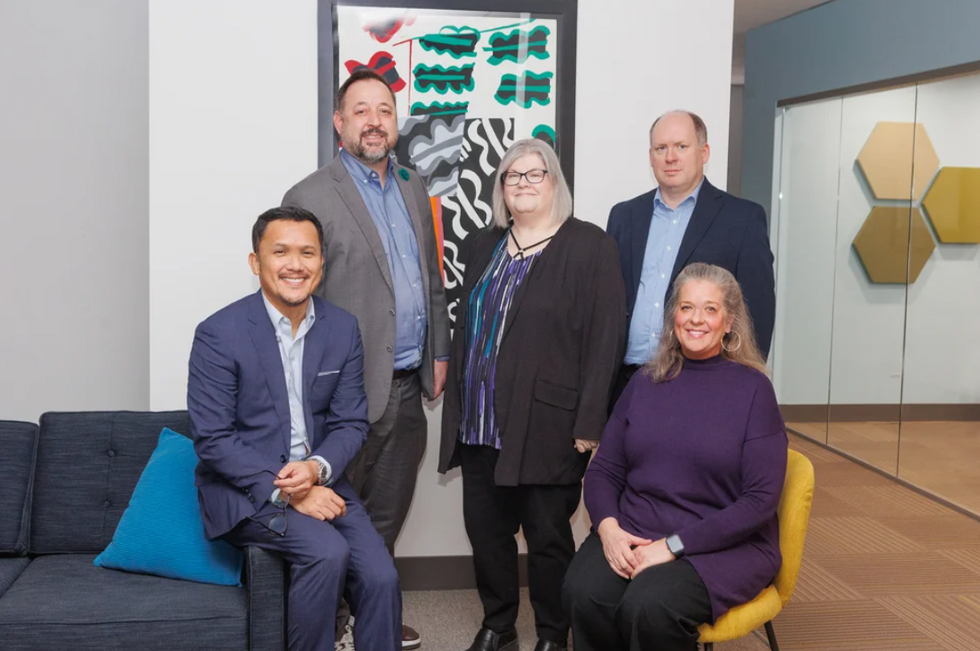
At BautistaLeRoy, we believe in giving every case the personal attention it deserves. Our award-winning service, deep experience in elder abuse and nursing home neglect law, and commitment to justice are what set us apart. See our full list of Awards and Recognitions on this page and contact us today to learn how we can help your family.
Summary
Nursing homes are expected to take care and assist elderes as families trust them to do. However, in some sad realities, these facilities neglect and abuse their residents. This is where a legal action must be taken, and Bautista LeRoy LLC is ready to assist. Our attorneys are focused on representing elders and their families after getting harmed.
Negligence and abuse are not always obvious, which is why families must observe and always visit their loved ones. There could be several signs:
- Sudden weight loss
- Bedsores
- Unexplained injuries
- Dirty clothing or bedding
- Withdrawal
- Fear around staff
- Unusual financial activity
There are many types of negligence and abuse that can happen in a nursing home. These issues have become a major concern, breaking the trust of many families, as this can be truly damaging for elder victims.
- Physical harm:
- hitting
- rough handling
- improper restraints
- Emotional abuse:
- threats
- humiliation
- solation
- Financial exploitation
- Neglect involving:
- missed medications
- poor hygiene
- lack of supervision
Your loved ones deserve a safe home and justice after suffering from nursing home abuse and neglect. The Bautista LeRoy LLC has been representing elders and families for years. Our firm has achieved significal result for injured individuals and held the at-fault parties accountable.
Can I move an elder loved one during an investigation?
Yes, it is a wise decision to keep your loved one safe during an ongoing investigation.
Who can be held responsible for the abuse or neglect?
Liability does not end with the staff member; other parties could be held accountable depending on the circumstances:
- Management
- Medical professionals
- Suppliers
- Maintenance services
What should I do if I see signs of abuse or neglect?
You must act quickly to protect residents. Document what you have observe such as taking photos or noting the date and time. Report this concern to management and authorities.
Who can help if I suspect abuse?
There are many authorities that can help you protect elder residents in a nursing home, including:
- Adult protective services
- Local ombudsman programs
- Lawyer with experience in nursing home neglect/abuse cases
Can we file a lawsuit?
Absolutely, especially if the neglect and abuse caused severe harm to an elderly person. With the help of your lawyer pursuing legal action, you can hold the other party accountable and recover damages such as medical bills that cover present and long-term needs.
What other compensation is available?
- Pain
- Emotional suffering
- Punitive damages
- Care-related modifications
- Wrongful death