
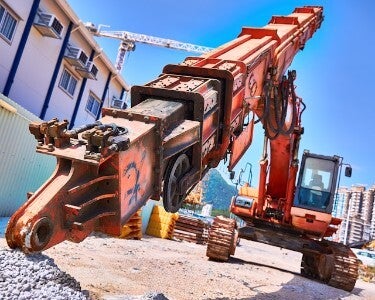
Construction sites present unique safety risks due to heavy machinery and the complex nature of their designs, especially negligent maintenance of equipment, which increases accident risks. Without adequate repair or inspection of tools or machinery, they could malfunction, causing serious injury or even fatality. In such a situation, injured workers must receive compensation under accident laws to cover injuries suffered as a result of these situations.
As part of determining liability, the first step should be assessing the equipment used. Construction machinery includes cranes, forklifts, and scaffolding, as well as power tools and heavy vehicles. Federal and state safety regulations mandate specific maintenance standards for each category of equipment under OSHA's guidance; failure to follow them could constitute negligence against which those responsible could then be held liable.
Construction equipment maintenance on construction sites often falls to multiple parties. Construction companies or general contractors bear primary responsibility for assuring all equipment adheres to industry standards and is safe to use, performing regular inspections and repairs on time as well as keeping detailed maintenance records. Otherwise, they could become liable for any injuries that result from their neglect.
Equipment manufacturers and third-party maintenance providers could both be held liable if an injury results from defective or incorrect servicing of equipment they produced or maintained, including defects caused by design flaws in manufacturing. Maintenance contractors could be held liable if their negligence caused equipment breakdown and injuries that subsequently led to equipment failures and injuries.
To determine liability in any incident involving construction equipment injuries, an exhaustive examination must take place of the circumstances and surrounding events. When establishing fault, factors like when maintenance was last conducted on equipment, whether safety protocols were adhered to, any prior reports of malfunction, maintenance logs, and inspection reports can often prove invaluable in court cases relating to construction injuries.
At such times, it is also critical to assess employee behavior. Staff must adhere strictly to safety instructions and report equipment defects immediately, while employers have an obligation to create safe working environments for workers. Failure on either party to adhere strictly can have dire repercussions if injuries result due to worker negligence. In many jurisdictions, this leads to claims against both.
Workers' compensation is the main form of assistance available to workers injured due to equipment that was poorly maintained, regardless of fault. Workers can file claims without incurring separate litigation. However, if gross negligence exists, such as with a manufacturer creating defective machines, then injured workers may file personal injury suits that go beyond workers' comp.
Accident law specialists play a vital role in helping injured parties navigate these complex liability issues. They assist injured individuals in collecting evidence, understanding applicable safety regulations, and seeking adequate compensation for medical costs, lost wages, and pain and suffering suffered as a result of equipment failures by employers or any parties responsible.
Poorly maintained construction equipment injuries pose legal concerns for employers and manufacturers. Compliance with safety standards, conditions, history, completion history, and protocol adherence can help injured workers pursue claims under accident law. Construction companies must prioritize equipment maintenance to fulfill legal obligations and protect worker health.
For inquiries related to traffic accident laws or injury laws, or to hire an accident attorney, contact the legal professionals of Bautista LeRoy LLC through this number 816-221-0382 or email them at [email protected]. Serving Kansas City, MO and KS as well as surrounding areas of Benton County and St. Louis.



Comments
There are no comments for this post. Be the first and Add your Comment below.
Leave a Comment