
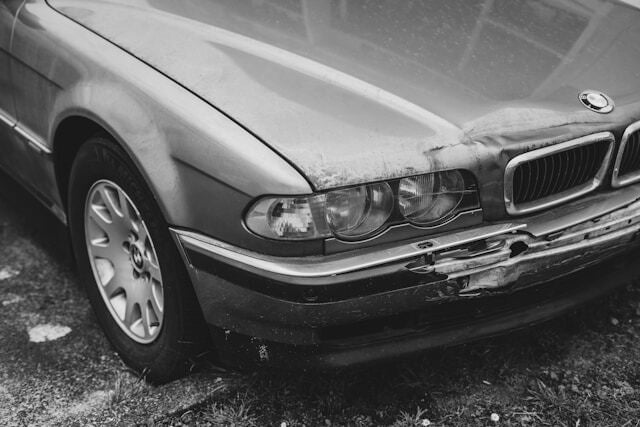
Even low-speed parking lot collisions can have far-reaching ramifications for both insurance providers and legal authorities. Crowded lots, distracted drivers, or unclear rules of right-of-way can lead to minor collisions which result in property damage, liability issues, or legal disputes so avoiding such collisions not only saves drivers money and frustration but can protect against legal battles as well.
Parking lots can be deceivingly complex environments. Without standard flow, clear signage, and traffic enforcement, risks increase with multiple drivers entering and exiting in different directions. Pedestrians weave between vehicles. Visibility due to parked cars is limited, often making drivers forget or underestimate their responsibilities in these situations. Drivers must keep a heightened awareness of their surroundings and practice defensive parking to prevent accidents from occurring.
Controlling speed is crucial for preventing parking lot accidents, as sudden pedestrian movements, vehicle reversals, or shopping trolleys can trigger collisions. Slowing down allows faster reactions and caution, which determines liability in incidents. Safe drivers may perceive themselves as responsible in court proceedings, ensuring a safer environment for pedestrians and vehicles.
Spatial awareness is crucial for drivers, and mirrors and backup cameras can help. However, drivers must physically inspect blind spots before reversing. Most parking lot collisions occur while drivers are backing up, and legal fault is determined by visibility, turn signals, precautionary measures, and prior precautions. Slowing down, scanning surroundings, and signaling intent can reduce negligence charges.
Kindness and civility can reduce tension in parking lots, as conflicts and accidents often escalate when drivers force into tight spots or disregard yielding rules. Allowing space and time for movement creates a calmer atmosphere while adhering to legal principles like reasonable care can prevent collisions and potentially increase insurance premiums or penalties for at-fault parties.
Technology provides extra safeguards. Modern vehicles feature sensors and cross-traffic warning systems as well as automatic braking systems to help avoid accidents; insurance adjusters and courts still evaluate whether drivers acted safely despite these features. It may still be possible for blame to be assigned even when too much reliance is put on technology without enough diligence from drivers themselves.
Parking lot accidents can do more than cause physical injuries; even low-speed collisions could leave drivers exposed to personal injury lawsuits from pedestrians hit at low speed. Without sufficient documentation, disputes over who had right of way and whether damage occurred before or after impact could quickly spiral out of control. To protect minor bumps, take photos, collect witness accounts, and file an accident report immediately.
To avoid fender benders, it's crucial to maintain a cautious, courteous, and legally aware attitude in uncertain traffic rules. Prioritizing patience and respecting right-of-ways can reduce parking lot accidents and legal implications, leading to safer outcomes and stronger legal positions in disputes between drivers or parties involved.
For inquiries related to traffic accident laws or injury laws, or to hire an accident attorney, contact the legal professionals of Bautista LeRoy LLC through this number 816-221-0382 or email them at [email protected]. Serving Kansas City, MO and KS as well as surrounding areas of Benton County and St. Louis.
Summary
Fender benders happen in parking lots far more than most people know. A fender bender is a minor vehicle accident that often causes small damage but usually does not result in serious injuries, such as scratches, dents, or cracked bumpers. Fender bender accidents often happen in parking lots, but it also occurs in residential streets or during heavy traffic where vehicles run at low speeds. The common causes for this accident include failing to yield, misjudging distances, backing into another vehicle, or distracted driving.
In order to avoid fender benders, here are some of the things a driver must do:
- drive slowly and stay alert
- avoid distractions (eating, texting or using your phone while driving)
- when reversing, use mirrors, shoulder checks, and back up cameras
- watch pedestrians. shopping carts, and other vehicles
- allow other drivers to complete parking maneuvers first before proceeding
- leave enough space between your vehicle and others
- when turning into parking aisles or spaces, use turn signals
- park carefully and stay within the lines
If a collision occurs, here are the things you should do:
- remain calm
- do not leave the scene
- check if anyone is injured
- if possible, move to a safe area
- document everything (take clear photos of the vehicle, damage, and surrounding area)
- exchange contact details (names, driver's license numbers, insurance information, etc.)
- record the date, time, and location of the incident
- report the incident to the authority
- inform your insurance company (if required)
- cooperate and avoid arguing about the fault
- keep records of everything for future reference


Comments
There are no comments for this post. Be the first and Add your Comment below.
Leave a Comment