
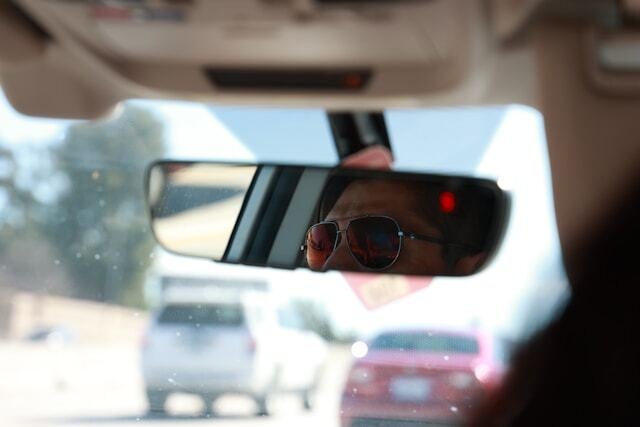
Aggressive driving is one of the major causes of accidents, injuries, and deaths, which could otherwise have been avoided. This includes dangerous practices like tailgating and frequent lane changes without signaling, speeding, disregarding signals, road rage, and intentionally intimidating other drivers; actions that create a hostile environment that jeopardizes the safety of all. In order to lessen such threats, responsible behaviors must be encouraged while legal frameworks hold aggressive drivers responsible.
Respect is crucial for safe driving, as it reduces tensions and prevents aggressive incidents. To make driving safer, drivers should obey speed limits, use turn signals properly, and follow regulations. Defensive-driving courses, public awareness campaigns, and early driver education programs help shape attitudes towards respectful road behavior, emphasizing the direct link between aggressive driving and accidents and legal liability issues.
Accident Law holds aggressive drivers accountable for injuries or property damage, often in civil court cases where negligence is a central issue. Negligent drivers may be ordered to compensate victims by covering medical costs, income lost, emotional stress, and vehicle repair expenses. In extreme cases like road rage and deliberate endangerment, courts may award punitive damages as punishment for aggressive drivers' actions.
Criminal charges may be filed against drivers who engage in aggressive driving behavior. When such drivers display aggressive actions such as threatening other motorists or brandishing weapons, legal charges ranging from reckless endangerment up to assault and battery can be levied by law against these perpetrators of such conduct. Victims can pursue civil damages while criminal penalties against perpetrators of these incidents take effect.
Traffic congestion, long commutes, and high levels of stress all play an influential role in aggressive driving in densely populated cities. Municipalities can combat aggressive driving by improving traffic flow with smarter signal timings and signage, as well as investing in public transit options to decrease vehicle numbers on roads. Traffic cameras or dashboard footage can also be used as deterrents against drivers engaging in such behaviors, not only as evidence in court cases but also as deterrence tools.
Employers also bear responsibility when their drivers engage in aggressive behaviors on company vehicles. Under respondeat superior, employers can be held liable for actions undertaken within their scope of employment that have taken place under the employee's authority. To limit legal exposure, businesses should implement stringent driving policies, provide safety training programs, and quickly address complaints lodged against employees.
At its core, aggressive driving prevention requires both individual and systemic action. Victims need clear recourse if aggressive driving causes injury or loss to themselves and/or third parties. Accident law serves as a reminder that driving is a shared responsibility; endangering other road users has real ramifications. Communities can reduce aggressive driving by cultivating an atmosphere that values respect and accountability among its residents.
For inquiries related to traffic accident laws or injury laws, or to hire an accident attorney, contact the legal professionals of Bautista LeRoy LLC through this number 816-221-0382 or email them at [email protected]. Serving Kansas City, MO and KS as well as surrounding areas of Benton County and St. Louis.



Comments
There are no comments for this post. Be the first and Add your Comment below.
Leave a Comment