
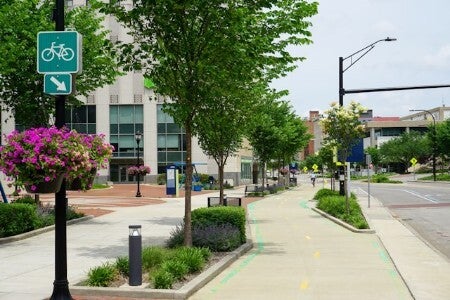
Urban trails offer eco-friendly transportation and exercise in busy metropolitan areas, but they can pose hazards to pedestrians due to uneven pavement, exposed tree roots, broken lighting, and inadequate signage. These issues can lead to injuries and complex legal matters, including municipal liability issues and personal injury lawsuits related to premises liability cases. If someone gets hurt while using a trail, filing a personal injury suit against the local government entity responsible may present unique legal obstacles.
As sovereign immunity shields the government from lawsuits, filing procedures in these instances can be time-sensitive and stringent. Victims of negligence about public infrastructure maintenance needing maintenance are allowed in some states but must notify relevant government bodies within an acceptable timeline, usually 30 or 180 days before filing suit. Otherwise, their case could be dismissed regardless of merit. For this reason, injured parties should consult an experienced government negligence claim lawyer as soon as possible for advice and representation.
Establishing liability requires showing that a municipality or city knew about a dangerous condition but failed to act timely and reasonably in correcting it. To do this, evidence such as maintenance records or citizen complaints must demonstrate how long-standing it was, such as trail damage occurring for several months. Without signs being posted or repairs being completed could constitute negligence, while new defects without enough time to correct may prove themselves without liability being held against a government body for accidents occurring because no remedy could be enacted against.
Classifying trails correctly in claims is also crucial; liability could depend on its classification. Some jurisdictions differentiate between transportation and recreational trails. Recreational use laws provide cities protection for injuries sustained during recreational use if their trails were designated primarily as recreational use without overburdening government agencies. However, if used as commuter routes by cyclists and pedestrians then the government must ensure its safety.
Urban trail defects can result in life-altering injuries for elderly individuals or those with mobility problems, particularly fractured bones and head trauma. Medical bills, lost wages, and rehabilitation may become long-term burdens to victims who cannot work or recover quickly enough after an incident has taken place. Compensating victims is just part of holding municipalities responsible for providing safe public infrastructures.
Urban trails are essential community assets that should be regularly maintained and inspected to protect public safety. Cities and municipalities have an ethical duty to inform the public of potential dangers promptly, so injured pedestrians can seek compensation through municipal liability claims against any failure of this duty. Such claims also encourage proactive maintenance practices that improve accessibility while creating a more pleasant urban environment for all residents alike. A personal injury lawyer who is familiar with municipal claims litigation processes will be invaluable when developing strong cases for compensation against failure to fulfill this responsibility.
For inquiries related to traffic accident laws or injury laws, or to hire an accident attorney, contact the legal professionals of Bautista LeRoy LLC through this number 816-221-0382 or email them at [email protected]. Serving Kansas City, MO and KS as well as surrounding areas of Benton County and St. Louis.
Summary:
When you were just walking, jogging, or biking and not doing anything risky, getting injured on a city trail can be really frustrating. Usually, city trails are maintained by local governments. This means that different rules apply compared to private property when it comes to city trail accidents. Therefore, when the injury is caused by trail defect, things can quickly turn complex from a legal point of view.
The biggest issue here is government responsibility. Normally, cities are expected to keep public trails safe for everybody. So when holes, cracks, poor lighting, or broken railing caused an injury, it will be a question whether the city knew about the problem, or should have known, and failed to fix it within a reasonable amount of time.
To maintain the public trails and keep it safe, governments must:
- conduct regular inspection
- maintain proper lighting
- address hazards within a reasonable time after notice
- repair holes, cracks, uneven surfaces, and other defects
- ensure clear and visible signs
- ensure proper drainage
- keep walkways from from debris, obstacles. falled branches, etc.
- monitor and manage constructions or repair zones
- comply with accessibility standards
- keep reecords of inspections, repairs, maintenance, etc.
- respond to safety reports and public compaints
- coordinate with contractors for maintenance
- close or restrict access to unsafe areas



Comments
There are no comments for this post. Be the first and Add your Comment below.
Leave a Comment