
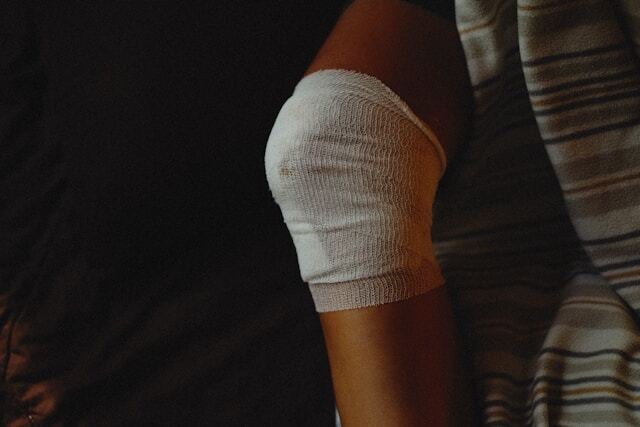
Personal injury suits are often associated with catastrophic accidents, costly medical expenses, and lengthy court cases. However, minor injuries like bruises, sprains, or mild concussions can still have significant repercussions and require legal action. Understanding personal injury laws' limitations, small claims courts' advantages, and how damages are calculated in lesser severity cases can help determine the options for filing cases with these injuries.
Injury Law covers injuries caused by negligence, recklessness, or intentional acts, including minor ones that don't warrant substantial payouts. Victims can seek damages for medical costs, lost income, and pain/comfort suffered. Minor injuries like slips and falls in grocery stores can still result in lasting injuries that require physical therapy and reduced mobility. Compensation claims can also include damages for pain/comfort suffered by the injured parties, regardless of who caused the injury.
Small claims courts offer the perfect venue to address minor injuries. Each jurisdiction sets limits for their cases ranging between $2,500 and $10,000, making this forum ideal for low-dollar disputes that don't need expensive legal representation. These courts also tend to be more accessible with simplified procedures and reduced formalities; claimants often can represent themselves, saving both time and money and speeding up proceedings. It gives injured parties access to justice without filing formal litigation suits against those at fault.
Gathering evidence is crucial before filing a small claim case in court. This includes medical records, photographs, receipts, statements, and communications with those at fault. The injured party must demonstrate negligence linked to the injury. Many states require demand letters detailing damages and payment requests before claims can go to trial. This helps document amicable resolution efforts and shows courts that litigation wasn't the first option.
Understanding limitations is also critical. While injuries may be frustrating, filing a lawsuit might not always be worth your while and effort if there's no clear liability and damages are hard to quantify or nonexistent altogether. Furthermore, most small claims courts do not award punitive damages meant to punish wrongdoers rather than compensate victims, making even small judgments difficult or impossible to collect from defendants who lack insurance, are insolvent, or otherwise difficult to locate. However, seeking compensation for minor injuries may offer more than financial relief.
By holding negligent parties accountable, we can prevent future incidents and encourage better practices. For instance, a business might implement more stringent maintenance protocols after being forced to compensate a customer who fell due to wet flooring, or individuals feeling powerless post-injury could use legal means as a tool for empowerment.
Minor injuries should never be discounted from a legal perspective, no matter their size. While minor injuries might not result in large-value lawsuits or courtroom drama, they still cause disruption and should receive recognition. Small claims courts can provide effective yet cost-efficient relief to these injuries by helping injured parties navigate their complex processes to confidently seek compensation and showcase how every injury matters in the law's eyes.
For inquiries related to traffic accident laws or injury laws, or to hire an accident attorney, contact the legal professionals of Bautista LeRoy LLC through this number 816-221-0382 or email them at [email protected]. Serving Kansas City, MO and KS as well as surrounding areas of Benton County and St. Louis.
Summary
Small claims court allows victims to file a claim even without the help of a lawyer. This is one of the most accessible options for victims. It is intended for straightforward cases involving a small amount of compensation. There is also another option in which the settlement doesn't need to go to court. This can be possible if the incident happens on someone else's property. By negotiating directly with their insurance providers, they can be ordered to take responsibility and cover the losses.
Getting compensated for minor injuries is sometimes necessary. Injuries like bruises and cuts may look negligible, but sometimes victims still need to shoulder the burden of medical bills, inconvenience, and lost wages. In order to make sure victims will receive fair compensation without having so many difficulties, they must understand their legal options. Through small claims court, insurance claims, employer liability cases, or settlements, personal injury laws enable victims to get compensated. The minor injuries eligible for compensation are:
- muscle strains
- minor tendon injuries
- soft tissue injuries
- whiplash
- ligament sprains
- seatbelt bruising
- shoulder or neck stiffness
- contusions
- bruises
- lacerations and minor cuts
- small wounds requiring cleaning or stitches
- deep bruising from impact
- shallow cuts from tools, a knife, or any sharp objects
- ankle sprains
- joint injuries
- minor burns and first-degree burns
- scrapes or abrasions
- mild knee sprains
- temporary restricted mobility
- wrist strains
- mild concussion
- back injuries
- dental injuries
- small chips or cracks
- twisting injuries
- pain requiring short therapy
- mild lower back strains
- loosened teeth
- short-term emotional distress
- temporary anxiety after an accident
- minor sleep disturbances



Comments
There are no comments for this post. Be the first and Add your Comment below.
Leave a Comment