
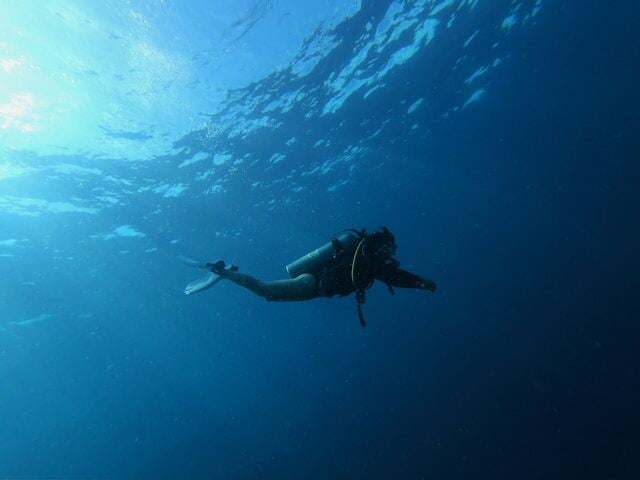
Scuba diving is a thrilling underwater experience, but it also poses risks like decompression sickness, which can lead to severe injuries. Inadequate training, defective gear, and operator negligence can heighten these risks. Instructors and diving companies must comprehend the legal implications of decompression sickness to ensure success.
Decompression sickness (DCS) occurs when divers ascend too rapidly, causing nitrogen absorption to form dangerous gas bubbles in tissues and joints, leading to fatigue, discomfort, neurological impairments, and cardiovascular distress. Treatments like hyperbaric chambers or oxygen therapy can help lower nitrogen levels, but many cases are caused by external factors like misleading instructions or defective computers. Injured divers may seek compensation.
Liability in diving accident cases is crucial, as divers, instructors, and certification agencies are all responsible for providing adequate training and equipment. Negligence arises when these entities fail to prevent injuries or cause preventable actions. For example, an instructor rushing through training without proper techniques could result in decompression illness, while renting defective regulators or depth gauges could also result in injury due to malfunction.
Manufacturers of diving equipment are responsible for ensuring safe use and can be held liable under product liability law if their products cause decompression illness due to incorrect calculations or warnings. Defective equipment cases typically fall under three categories: manufacturing defects, design flaws, or warning failure. For example, a poorly designed computer producing incorrect decompression information could lead to legal action.
Assumption of risk is another important element when it comes to decompression illness-related injuries, with most dive operators requiring participants to sign liability waivers before entering the water. While diving can be hazardous and include decompression sickness risks, waivers do not offer absolute legal protection. Courts could rule that failure to follow safety protocols such as conducting pre-dive checks or responding adequately in emergencies invalidates them and injured divers can seek compensation through legal channels.
Jurisdiction plays an integral part in establishing legal claims related to scuba diving injuries. Divers frequently travel on dive trips abroad in countries with laws different than their own and may lack oversight for dive operations. Some countries even limit legal recourse in personal injury claims; injured divers may need to navigate complex international legal systems to access justice for themselves and secure compensation.
Decompression sickness can be prevented by adhering to safety protocols, following recommended ascent rates and stopping points, and monitoring one's dive computer. Risk increases with alcohol consumption, inadequate hydration, and insufficient surface intervals. To ensure maximum liability management and diver safety, instructors and operators must implement strict safety protocols with working gear.
If decompression illness results from negligence, victims must document and seek medical care immediately. Furthermore, consulting an attorney regarding legal rights could help victims recover damages as well as boost safety standards in the diving industry.
For inquiries related to traffic accident laws or injury laws, or to hire an accident attorney, contact the legal professionals of Bautista LeRoy LLC through this number 816-221-0382 or email them at [email protected]. Serving Kansas City, MO and KS as well as surrounding areas of Benton County and St. Louis.
Summary
To ensure safety and profit, instructors and diving companies need to understand the legal implications of decompression sickness. Scuba diving is an exciting underwater adventure. However, it poses serious risks, which can lead to severe injuries or even death. Some of the factors that lead to decompression sickness include rapid ascent, long bottom line, deep dives, short surface intervals, omitted decompression stops, multiple dives per day, and Exceeding NDLs (No-decompression limits). In addition, there are also physiological and personal factors that sometimes contribute to decompression sickness. These includes age, poor physical fitness, fatigue or lack of sleep, dehydration, and obesity.
Meanwhile, water that is so cold, high altitude after diving, equipment malfunctions, and too much work or movement underwater also contribute to the environmental reasons for decompression sickness. The effects and complications caused by decompression sickness vary. When nitrogen bubbles form in the body, they can block the blood flow, compress nerves, and damage tissues. Some of the most serious injuries, temporary and permanent, caused by decompression sickness include spinal cord injury, brain injury, and peripheral nerve damage.
Negligence happens when instructors and diving companies fail to provide the necessary training or fail to provide well-functioning equipment. Liability in scuba diving accidents is important, especially since the federal law requires proper safety protocols. If you suffer from decompression sickness because of someone else's negligence, you have the right to claim compensation.



Comments
There are no comments for this post. Be the first and Add your Comment below.
Leave a Comment