
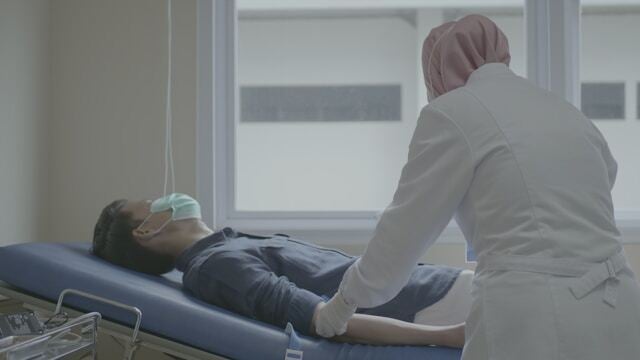
Dialysis is an integral medical treatment used to remove waste products, excess fluids, toxins, and waste from the bloodstream. While dialysis should be safe when conducted appropriately, complications from errors or harmful side effects may still lead to serious medical conditions and even death. When these outcomes result from medical negligence or improper care, they could qualify for compensation under injury law.
Dialysis injuries often arise from procedural errors during treatment, with simple mistakes like incorrect calibration of machines or the catheter placement leading to serious health repercussions. An improperly placed catheter, for instance, could lead to internal bleeding or damage blood vessels, while contamination could lead to sepsis infections, which require immediate medical care and attention. These errors may be prevented with proper training, supervision, and compliance with medical protocols. In some cases, they might even be actionable under injury law.
Some side effects are mild, while others can be more serious. Fatigue, dizziness, or low blood pressure are generally manageable short-term symptoms, while more serious conditions like persistent chest pain, severe migraines, confusion, or excessive bleeding could signal medical negligence. If side effects extend beyond what would normally be considered normal or persist beyond what would normally be expected, then further investigation should take place to ascertain whether treatment was provided according to standard.
The Law of Injury provides dialysis patients with protection from negligence. When healthcare providers fail to meet accepted standards and this causes harm, victims can pursue legal action through medical malpractice or personal injury law. Medical Malpractice allows injured patients to hold doctors, nurses, and technicians legally liable for their mistakes; to prove a claim successfully requires showing that there was a breach in duty of care which caused harm, injury, or damages directly as a result.
Victims of dialysis injuries may be eligible to claim compensation in various forms. This could include past and future medical expenses, lost wages, diminished earning capacity, pain, suffering, and long-term disability benefits in cases of permanent injuries. If a dialysis error results in someone's death, their family may file a claim for wrongful death to cover funeral costs, financial loss, and emotional trauma caused by their untimely demise.
If you or someone close to you has been injured by dialysis, acting quickly is crucial. Each state imposes statutes of limitation for medical malpractice claims, which typically range between one and three years. Any delay could jeopardise your rights to compensation and necessitate hiring an injury lawyer as soon as possible to assess your case and preserve relevant evidence.
Patients must keep meticulous records about all medications, treatments, and symptoms they take. Asking for copies, tracking appointments, and documenting unusual side effects are all useful ways to build your case. In addition, getting another opinion from a physician will allow you to check whether the care provided was accurate or if there were mistakes made during treatment.
Dialysis may save your life, but it does come with risks. Injury law offers victims an avenue of legal recourse when those risks turn into preventable harm due to medical negligence. You can ensure you receive compensation by understanding your rights, as well as helping prevent future patients from experiencing harm due to negligence. Speak with an experienced dialysis attorney immediately if you believe substandard care has occurred or serious side effects have resulted from it.
For inquiries related to traffic accident laws or injury laws, or to hire an accident attorney, contact the legal professionals of Bautista LeRoy LLC through this number 816-221-0382 or email them at [email protected]. Serving Kansas City, MO and KS as well as surrounding areas of Benton County and St. Louis.



Comments
There are no comments for this post. Be the first and Add your Comment below.
Leave a Comment