
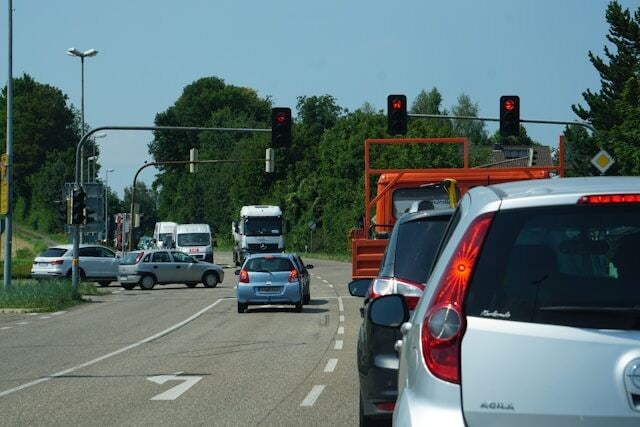
An authentic driving license is not just a sign of maturity but also crucial for traffic safety and accountability. The licensing system ensures that only those who follow traffic laws and vehicle operation can legally drive. Unqualified drivers pose a threat on the roads, and licensing provides protection and accountability in accidents. Driver tests also test knowledge of road signs, defensive driving techniques, and traffic regulations.
The evaluation process involves both theoretical and practical driving tests to ensure applicants can handle real-life situations safely. Accident Law places special importance on valid licenses, as unlicensed drivers can be considered negligent and face legal ramifications. Law presumes liability due to failure to adhere to licensing regulations, streamlining compensation for injured parties. Licensees are assumed to have basic driving knowledge.
Legal investigations often focus on accidents caused by drivers rather than their driving qualifications. Licensing systems link individual identities with driving privileges, supporting accountability in civil lawsuits. Law enforcement uses these systems to verify insurance statuses and track infractions, using evidence like repeated violations or previous suspensions as leverage. In some jurisdictions, license points or suspension records are admitted into evidence as habitual negligence in court cases. Insurance companies also use driver licensing data for premium settings.
Accident victims are at increased risk when drivers without licenses operate their vehicles, leading to uncompensated damages in the form of uninsured driver claims or personal injury suits following an accident. Licensing laws have strict criteria to ensure drivers are competent and insured, while GDL programs for teens can help to keep accidents away by restricting curfew hours while gradually building responsibility with experience.
GDLs reduce the crash rate among young drivers by reducing factors like speed, distraction, and poor decision-making under pressure. Licensing laws regulate vehicle usage and limit exposure to high-risk scenarios, encouraging safe driving practices. However, criminal and civil liabilities for DUI, reckless driving, and related offenses may increase due to licensure issues. Accident cases often include suspension or revocation of licenses as a warning signal, which can impact criminal sentences and civil compensation decisions. Courts view driving with suspended licenses as a disregard for public safety, increasing punitive damages awards in personal injury claims.
Licensing systems can serve both preventative and reactive legal needs. Preventing unqualified drivers from driving and assigning fault for accidents is crucially important, while keeping rigorous licensing standards is paramount to individual accountability and public safety in an age of increasing traffic and complex roads. Maintaining strict licensing standards is vitally important both personally and publicly; holding drivers to account while upholding justice for those injured by negligence requires keeping licences valid.
For inquiries related to traffic accident laws or injury laws, or to hire an accident attorney, contact the legal professionals of Bautista LeRoy LLC through this number 816-221-0382 or email them at [email protected]. Serving Kansas City, MO and KS as well as surrounding areas of Benton County and St. Louis.



Comments
There are no comments for this post. Be the first and Add your Comment below.
Leave a Comment