
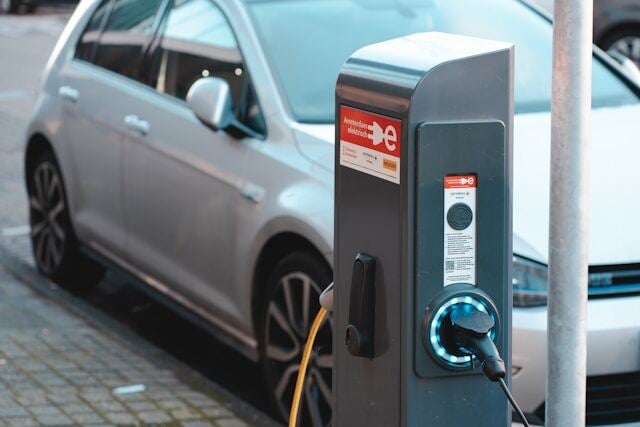
Electric shocks at public charging stations can be both frightening and legally complex, raising concerns about safety and liability in mobile device usage and electric vehicle charging stations. Compensation may be available for those injured, but pursuing claims requires knowledge of negligence principles and regulations compliance.
Public charging station incidents are primarily influenced by liability, involving equipment, manufacturers, property owners, and companies. Product liability laws may apply in cases where design flaws or manufacturing defects cause shock, while companies responsible for managing charging stations may bear some responsibility for improper installation, inadequate maintenance, or lack of warning.
Negligence is a crucial legal concept in cases involving injuries, where injured parties must prove that the responsible entity breached their duty of diligence, causing their injury directly. Examples of negligence include exposed wires at charging stations without adequate grounding, unrepaired electrical problems, or failure to provide safe conditions on public or business properties.
To support legal claims, victims should document incidents by taking photos, recording defects, and gathering eyewitness testimonials. Medical treatment should be sought immediately after injuries. Maintenance logs or previous complaints can provide additional support. Legal professionals can also seek expert opinions from electrical engineers to evaluate compliance with safety regulations by the charging station.
Electrical shock injuries may result in compensation for medical costs, lost wages, pain, and suffering as well as long-term effects. Electrical injuries come in all shapes and sizes, from minor burns to neurological damage involving cardiac complications requiring hospitalization. When seeking compensation through legal professionals they should always take into account both immediate needs and future ones to ensure an equitable award from the court can cover both.
Insurance and legal defense can present challenges when accidents involve misused charging equipment, misuse of charging devices, or misuse by their victim(s). Some jurisdictions even impose laws that reduce compensation when these factors contribute to an injury claim.
Safety at public charging stations is also subject to federal and state regulation, such as through the National Electric Code or standards established by organizations like Underwriters Laboratories. Violation of these standards could serve as evidence against manufacturers or property owners for negligence claims in court. The government may conduct further inquiries as necessary in order to prevent future injuries from recurring.
Public charging stations can be made safer by taking preventative steps, including regular maintenance, clear instructions on usage and appropriate signage, regular safety inspections, and public awareness campaigns about safe charging practices can further avert incidents.
Electric shocks at public charging stations can lead to legal claims due to negligence, liability, and regulatory compliance issues. Victims must act quickly, gather evidence, seek medical care, and consult lawyers for compensation. Businesses and manufacturers should prioritize safety measures to minimize risks and adhere to regulations. Properly addressing safety issues is crucial to upholding consumers' rights and preventing future injury claims from charging stations.
For inquiries related to traffic accident laws or injury laws, or to hire an accident attorney, contact the legal professionals of Bautista LeRoy LLC through this number 816-221-0382 or email them at [email protected]. Serving Kansas City, MO and KS as well as surrounding areas of Benton County and St. Louis.



Comments
There are no comments for this post. Be the first and Add your Comment below.
Leave a Comment