
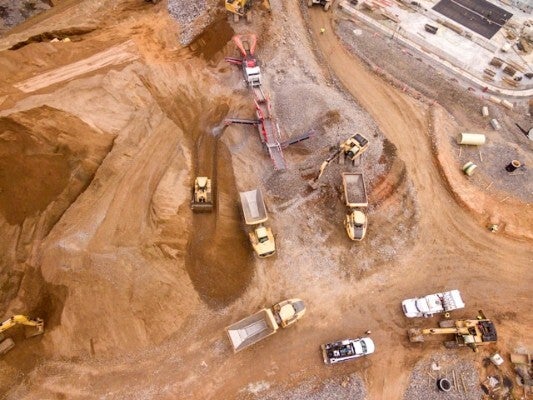
Safety in high-risk industries such as construction and mining, oil & gas production, and manufacturing is an ever-present challenge. Employers in these fields must uphold stringent safety standards for workers so they are protected from potential dangers inherent to their work environment. When injuries do happen it's essential to determine who's at fault so the injured employees receive fair compensation payments from those at fault.
Employer liability in high-risk sectors is governed by federal and state regulations. OSHA sets and enforces safety standards, ensuring employers create a safe working environment through safety protocols, proper equipment maintenance, and proper worker training. Employers are held liable for injuries caused by disobeying these standards, as well as for any injuries caused by breaching these policies.
Negligence is a crucial aspect of employer liability, as employers who fail to eliminate hazards, such as malfunctioning equipment or inadequate safety gear, can be held liable for injuries. This negligence can lead to severe injuries and even deaths in industries with higher risks.
Workers' compensation laws offer legal protection to employers while providing financial assistance to injured employees. They cover medical bills, lost wages, and rehabilitation expenses for work-related injuries, but do not cover pain and suffering damages. They do not apply to employers engaging in gross negligence or intentional wrongdoing, allowing injured parties to file personal injury suits against their employer.
In high-risk industries, third-party liability is crucial due to workplace accidents involving multiple parties like contractors, subcontractors, or equipment manufacturers. Defective equipment can lead to product liability laws, while independent contractor negligence may prompt claims against the contractor rather than the employer.
Evidence is critical in proving employer liability. Injury victims should document the scene of an incident by taking photos, interviewing witnesses, and collecting physical evidence such as witness statements. Expert testimony or medical records documenting injuries can provide further proof. Safety experts can analyze whether an employer met OSHA or industry standards to ascertain possible negligence claims.
Employers in high-risk industries could face additional liability if they breach certain legal obligations, such as failing safety inspections or failing to address reported dangerous conditions from workers. Furthermore, certain jurisdictions impose strict liability laws for certain activities like handling dangerous chemicals or explosives.
Employers also must supervise and train employees appropriately, since poor supervision or inadequate training could increase the risk of accidents or injuries to workers. If employees lack the skill set necessary for safely dealing with potentially hazardous situations or equipment, their employer could potentially be held liable.
Employer liability in high-risk industries is complex, involving negligence, safety standards compliance, and third-party involvement. Victims should seek legal assistance to seek appropriate compensation and understand employer obligations to promote workplace safety and reduce future incidents.
For inquiries related to traffic accident laws or injury laws, or to hire an accident attorney, contact the legal professionals of Bautista LeRoy LLC through this number 816-221-0382 or email them at [email protected]. Serving Kansas City, MO and KS as well as surrounding areas of Benton County and St. Louis.
Summary
Employer liability in high-risk industries such as construction, mining, oil and gas and manufacturing plays a critical role in ensuring worker safety. Employers are required to comply with strict safety regulations, most of which are enforced by OSHA. These rules cover proper training, equipment maintenance and workplace safety protocols. When accidents occur, liability often depends on whether an employer neglected these obligations or failed to address known hazards.
Negligence is a key factor. If an employer ignores risks such as faulty machinery or inadequate safety gear, they may be held responsible for injuries. Workers' compensation laws provide employees with coverage for medical expenses, lost wages and rehabilitation. However, these laws do not shield employers from liability if gross negligence or intentional misconduct is proven. In such cases, employees may pursue personal injury claims.
Third-party liability also plays a role in many incidents. Contractors, subcontractors or equipment manufacturers may share responsibility when defective products or unsafe practices cause harm. Evidence such as photographs, witness accounts and expert testimony is essential in proving liability and securing fair compensation.
For legal guidance, contact Bautista LeRoy Law Firm at 816-221-0382 or email [email protected]. Serving Kansas City MO and KS, Benton County and St. Louis.



Comments
There are no comments for this post. Be the first and Add your Comment below.
Leave a Comment