
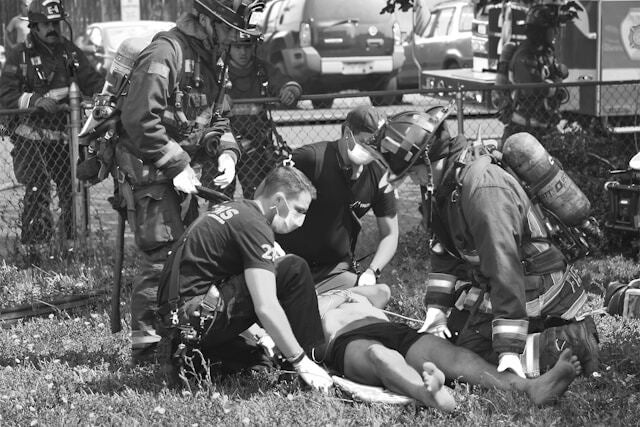
Paramedics play an indispensable role in emergency medicine. Due to the nature of their job, paramedics are at increased risk for injuries such as physical strain and exposure to hazardous materials. Hospitals, ambulance services, and emergency response agencies must take proactive steps to minimize such incidents by understanding their legal responsibilities towards paramedics, providing a safer working environment and mitigating harm risks to them.
Employers must first ensure paramedics receive adequate training to prepare them for the physical demands incurred from emergency calls, including lifting techniques, body mechanics, and safe patient handling practices. Regular updates to training should take place to stay abreast of new technologies, risks, and safety protocols. Properly trained paramedics are less likely to sustain injuries related to heavy lifting, awkward movements, or repetitive tasks.
Employers are obligated to provide paramedics with protective gear, including personal protective gear like masks and gloves, and tools designed to reduce physical strain. Ergonomic stretchers, lifting devices, and back support gear can significantly reduce repetitive strain injury risks, which can occur due to patient handling tasks. Employers should ensure proper instruction in using these tools.
Workplace safety policies are crucial, with employers setting clear protocols for paramedics to follow in high-risk situations like vehicle and environmental safety, aggressive patients, and toxic materials. Ensuring paramedics have all the necessary resources is essential to reduce injury due to unsafe working conditions or overexertion risks.
Employers should regularly assess the physical and mental well-being of paramedics on an ongoing basis. Emergency medical work can often be emotionally draining and lead to burnout, stress, and fatigue which increases the risk for accidents or injuries. Employers can keep paramedics healthy by offering access to mental support as well as encouraging a good work/life balance by providing rest periods or staffing levels accordingly to prevent overworking them.
Employers are legally obliged to comply with occupational safety laws such as OSHA standards (Occupational Safety and Health Administration), which stipulate that workplaces be free from hazards that pose any harm or danger to workers. Should injuries arise in their place of employment, employers who breached OSHA standards could face workers' compensation claims and lawsuits from injured parties.
Employers have both an ethical and legal duty to safeguard paramedics against injury by providing proper training, equipment, safety protocols, and mental health support services. Employers that prioritize paramedic safety not only safeguard themselves but also increase the efficiency and effectiveness of emergency medical services by taking proactive measures that lower injury risk, aiding both their paramedics and improving emergency healthcare quality overall.
For inquiries related to traffic accident laws or injury laws, or to hire an accident attorney, contact the legal professionals of Bautista LeRoy LLC through this number 816-221-0382 or email them at [email protected]. Serving Kansas City, MO and KS as well as surrounding areas of Benton County and St. Louis.



Comments
There are no comments for this post. Be the first and Add your Comment below.
Leave a Comment