
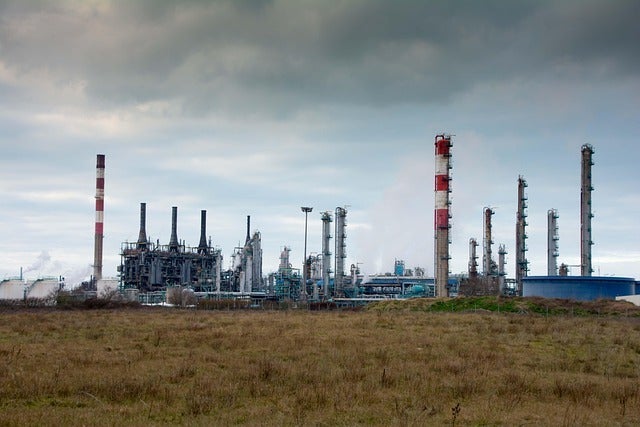
Factory owners have extensive legal obligations to their workers regarding workplace injuries. They must create an environment compliant with occupational health and safety legislation, conduct regular inspections, and take preventive steps as needed. Additionally, they should act quickly when unsafe working conditions emerge so as to decrease accidents.
Preventing electrocution injuries and negligence claims requires routine equipment maintenance and workplace safety protocols, adhering to Occupational Safety & Health Administration (OSHA) regulatory standards for factory design, ventilation/lighting/noise levels/safety protocols if you want to remain compliant and meet OSHA regulatory standards set by enforcement agencies if noncompliance occurs.
Legally, factory owners must report accidents promptly and accurately to comply with regulatory requirements as well as protect workers' rights. Workers' compensation laws mandate them to provide medical treatment and compensation to injured workers who require hospitalisation. Factory owners must carry enough policies so as to meet this legal requirement and fulfill their responsibilities effectively while fulfilling employees' rights.
Factory owners could face personal liability if negligence causes injury and financial damages in their factory, through inadequate training, failures to correct hazards, or disregarding safety complaints. Risk management strategies must include regular risk analyses, policy revisions, and employee training so as to limit legal liabilities as much as possible and demonstrate commitment and diligence towards workplace safety environments; something legal evaluations will readily recognize as well.
Other insurance policies should also be implemented for financial security and legal compliance, including umbrella, general, and employer's liability insurance policies that can help safeguard a factory against legal costs that might come as a result of workplace accidents, such as legal settlements or judgments that might arise. Taking precautionary steps helps both secure the finances while meeting legal requirements simultaneously.
Owners of factories bear a duty to set an ideal factory culture. They should reward those employees who prioritize safety, as well as encourage an open dialogue about risks. Safety committees play a vital role in encouraging the reporting of hazards quickly without fear, while promptly responding to any issues raised.
Documentation is vital in safety promotion and legal compliance. This includes employee training records, maintenance records for equipment, safety inspection reports, risk analyses, and incident reports; documents which can serve as evidence against claims from auditors or courts and strengthen an employer's defense by showing proactive management, legal compliance, and risk reduction efforts.
Legally, factory owners have an obligation to prevent accidents, manage liabilities, ensure workplace security, and reduce financial and legal risk in compliance with regulatory standards. Implementing risk management programs, getting adequate insurance, promoting safety culture, and creating employee protection plans should all be implemented as priorities to protect worker health while minimising costs in an increasingly competitive marketplace.
For inquiries related to traffic accident laws or injury laws, or to hire an accident attorney, contact the legal professionals of Bautista LeRoy LLC through this number 816-221-0382 or email them at [email protected]. Serving Kansas City, MO and KS as well as surrounding areas of Benton County and St. Louis.



Comments
There are no comments for this post. Be the first and Add your Comment below.
Leave a Comment