
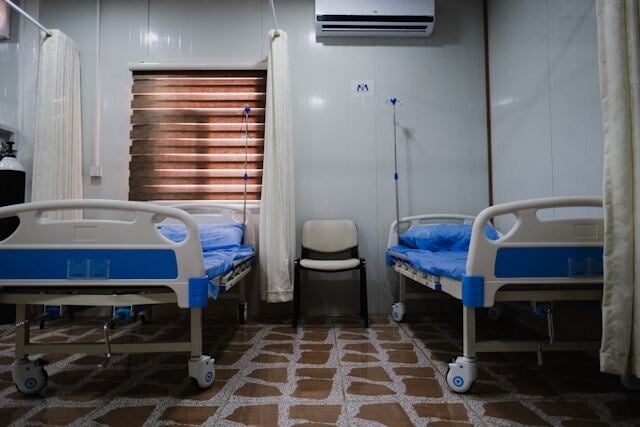
Healthcare falls pose a significant threat to patients, posing physical and legal risks. To protect patients and minimize liability, healthcare providers should employ fall prevention techniques, including multidisciplinary approaches that involve medical assessments, therapeutic interventions, and environmental modifications, to ensure patient safety.
Fall risk assessments are crucial in prevention strategies. Healthcare professionals should conduct comprehensive evaluations at admission and throughout a patient's stay, reviewing medical histories, gait and balance testing, and screening for neurological or musculoskeletal conditions. Early identification can lead to tailored interventions to reduce preventable falls.
Medication monitoring is crucial for fall prevention, especially in elderly patients who frequently take medications that cause dizziness or drowsiness. Healthcare providers should regularly review medication lists to identify side effects and work with pharmacists to adjust dosages or find safer options. Failure to monitor could lead to negligence claims and compensation claims for negligence.
Physical therapy is crucial for fall prevention, as it assesses patients' mobility, strength, and balance, creating exercise plans to promote stability and reduce fall risk. These exercises also build confidence, promoting proactive patient care and reducing liability claims against negligent providers.
Physical therapy and occupational therapy can help reduce falls by addressing environmental factors. Occupational therapists assess patients' living environments and make safety recommendations. Common changes include installing grab bars, providing sufficient lighting, preventing loose rugs, and moving furniture for easy visibility. These changes can reduce potential environmental hazards and premises liability claims.
Fall prevention necessitates patient education, which is often overlooked. Patients and their families should be educated about falling dangers and the importance of using assistive devices. They can contribute to safety by learning safe mobility techniques, using call lights for assistance, and adhering to treatment plans. Documenting patient education efforts is crucial for defending negligence claims against careless doctors or hospitals.
Healthcare facilities should implement comprehensive fall prevention strategies, including staff training, reporting procedures, and accountability protocols, to identify at-risk patients and implement preventive measures. They should also know how to respond to falls, demonstrating commitment to patient safety and reducing legal liabilities associated with liability claims.
Technology can play an invaluable role in efforts to prevent falls. Bed alarms, wearable devices and sensor mats that track patient movements provide additional layers of protection, alerting staff of potential falls or unsafe behavior before it occurs. Though, these technologies should never replace direct patient care; rather they serve as valuable adjuncts in prevention programs; their evidence in injury claims strengthen a facility's defense through proactive risk management strategies.
Documentation is a vital legal tool in fall prevention, demonstrating compliance with care standards and reducing liability risks. It includes assessments, therapies, medication reviews, patient education, and environmental modifications. It serves as evidence of reasonable precautions against fall-related injuries.
Fall prevention is a multidisciplinary process that includes medical evaluations, medication administration, physical and occupational therapies, patient education, policy implementation, and technology solutions. It not only enhances patient safety but also reduces legal liability risks associated with fall-related injuries. Healthcare facilities that prioritize proactive fall prevention strategies benefit their patients.
For inquiries related to traffic accident laws or injury laws, or to hire an accident attorney, contact the legal professionals of Bautista LeRoy LLC through this number 816-221-0382 or email them at [email protected]. Serving Kansas City, MO and KS as well as surrounding areas of Benton County and St. Louis.
Summary
Accidents and injuries can happen in any institutional facilities, even in hospitals and healthcare clinics. Falls are some of the common examples of safety problems in patient care. However, when healthcare workers stay alert and follow simple safety steps, falls can be prevented. Paying attention, treating patients according to their needs, and following safety procedures can help healthcare workers avoid accidents and protect patients from serious injuries while also reducing possibilities of legal problems. When healthcare staff ignored the safety measures and a patient gets injured, the worker or the facility may face a negligence claim as legal consequence.
Here are the specific actions healthcare workers can take in order to prevent serious injuries in patient cares:
- check fall risk (look for patients who are weak, dizzy, confused, etc.)
- assist patients (help them when getting out of bed, walking, going to the bathroom, etc.)
- keep the area safe (keep floors dry and clear of objects)
- use safe bed positioning (keep the bed at a safe, low height)
- place important items nearby (make sure the call bell, personal items, etc. are easy to reach)
- use proper footwear (encourage patients to wear footwear that are non-slip)
- respond quickly (take patient requests for assistance seriously)


Comments
There are no comments for this post. Be the first and Add your Comment below.
Leave a Comment