
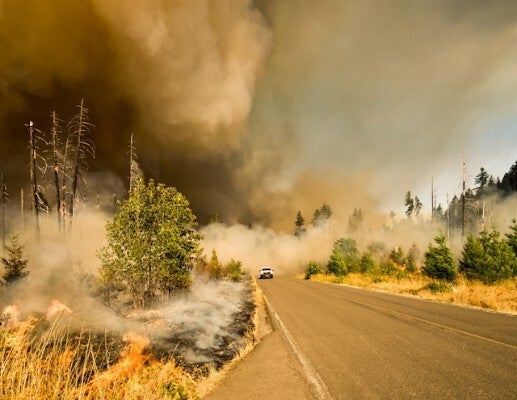
Natural disasters can wreak immense havoc, both physically and psychologically. While most accept such events as being acts of God, governments may share legal liability when negligence contributes to furthering injuries sustained from disasters like wildfires or flooding. Those seeking justice in response must understand this potential liability before filing claims against governments for injuries suffered during disasters such as these should seek clarity regarding government responsibility before seeking justice from private sources alone.
Government entities, including local and federal agencies, are responsible for maintaining critical infrastructure like drainage systems, levees, and emergency response services. Liability arises when these systems collapse due to neglectful maintenance, delayed responses, or poor planning. Victims can file claims proving government negligence caused their injuries. Suing the government is harder due to sovereign immunity, but jurisdictions offer exceptions through specific claim acts for individuals to pursue damages claims under specific conditions.
A town's failure to maintain its stormwater drainage system can lead to flooding and injuries if officials are aware of the vulnerabilities but don't take action. Plaintiffs must demonstrate the breach of duty by the government, using documentation, expert testimony, and warnings. However, this approach is complex and rarely succeeds due to its complexity. Successful claims require sufficient evidence to be effective before filing suit, making them actionable.
Injury may result from delayed or inadequate response to emergencies, with injured parties alleging emergency services failed to evacuate vulnerable populations, ignored warnings from weather experts, or deployed resources inefficiently. Proving gross negligence will ultimately determine the success of their case.
Statutory deadlines further complicate these types of lawsuits, as those filed against government agencies usually involve shorter notice periods than traditional personal injury suits; victims typically must file their notice of claim within several months or they risk forfeiting the right to sue. It is thus vitally important that legal advice is sought immediately following any accident that involves injuries and suspicion of government negligence.
Also, comparative blame may come into play; government entities could argue that people contributed to their injuries by disregarding evacuation instructions or failing to prepare adequately, for instance. This may result in reduced or eliminated compensation payouts in jurisdictions that acknowledge shared responsibility, thus plaintiffs need not only to argue their case effectively against the government but must also defend themselves adequately within these particular circumstances.
Cases such as these don't only involve legal strategy; they raise important issues about public accountability and disaster preparedness. Claims can also serve to force improvements that benefit not just injured parties but all community members as a whole. Litigation may even help change systemic conditions by exposing government lapses and forcing reform measures through litigation.
Natural disasters may be beyond anyone's control. However, injuries arising due to government negligence that could have been avoided deserve further examination. When dams break, roads go neglected, emergency response failure occurs or emergency responses fail there are legal options open to victims despite substantial obstacles. Understanding this relationship between natural disasters, public duty obligations and harm caused which might otherwise have been avoided helps determine who bears ultimate responsibility in these incidents.
For inquiries related to traffic accident laws or injury laws, or to hire an accident attorney, contact the legal professionals of Bautista LeRoy LLC through this number 816-221-0382 or email them at [email protected]. Serving Kansas City, MO and KS as well as surrounding areas of Benton County and St. Louis.
Summary
Injuries happen in natural disasters when government fails to fulfill its responsibility in providing accurate warnings. When disasters like flood, huricane, or wildfire hits, things can get stressful and chaotic. This is the reason why governments should always be prepared, so that they can be efficient in dealing with the situation and in providing proper information and guidance to people. As responsibilities, governments should sent out early warnings, maintain evacuation routes, or stock emergency shelters. When governments fail on these responsibilities, they can be liable for negligence.
When governments are prepared for natural disasters, the advantages are:
- faster response
- reduced risk
- better communication
- protection of property
- reduced dependence on others
- faster recovery
- community support
- increased awareness
- compliance with safety guidelines
Natural disasters are beyond anyone's control. On the other hand, governments have the duty to protect its citizens and prepare for foreseeable events. Officials must not ignore risks, must not cut corners, or must maintain infrastructure so that people can be truly protected from harm. These are the responsibility of the government. Governments cannot control nature, but they are responsible for basic preparation and safety measures in order to truly protect the citizens from injuries when disaster strikes.



Comments
There are no comments for this post. Be the first and Add your Comment below.
Leave a Comment