
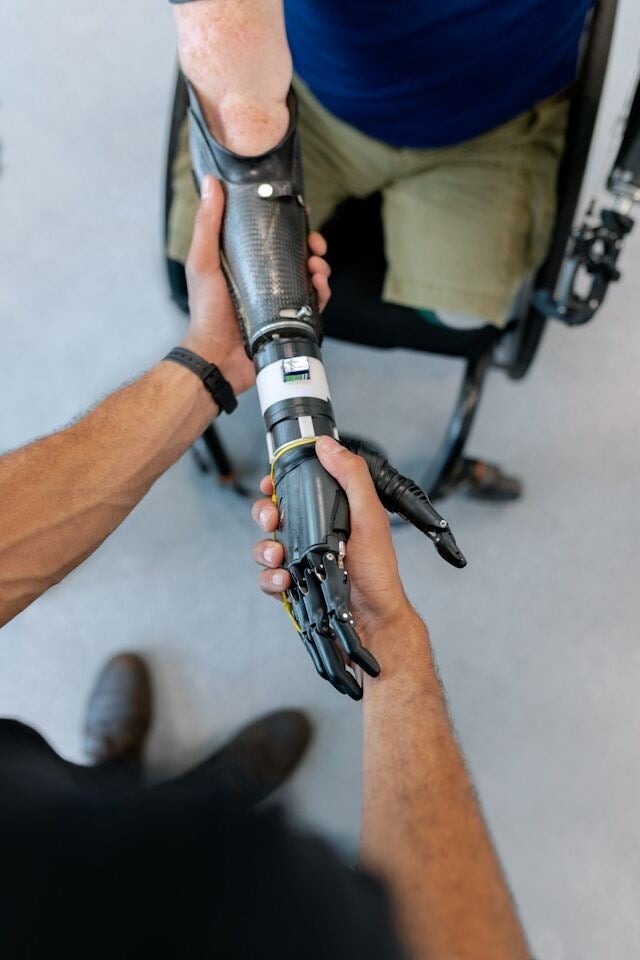
Cyber-physical systems have increasingly become an integral component of injury rehabilitation programs as technology evolves, due to their combination of computational algorithms and physical components. Robotic exoskeletons and AI therapy devices help speed physical recovery while providing real-time information and relieving human therapists of their workload. Their incorporation into medical practices has added another level of complexity to injury law. Their legal implications regarding their deployment, performance, or failure are becoming an increasing source of anxiety for both patients and healthcare providers alike.
CPS data can have an invaluable effect on personal injury claims. Generated from wearable rehab devices, its data may help establish or disprove either the severity or efficacy of treatment plans for injuries sustained at work. Insurers and opposing counsel often request logs of patient compliance or progress during rehabilitation programs, providing both strong evidence in support of claims but also discouraging claimants from engaging in prescribed therapies, creating complex issues about privacy ownership rights admissibility into court proceedings involving CPS data collection.
Cyber-physical rehabilitation systems can be unpredictable, with software bugs and malfunctions potentially harming patients, causing delays in recovery, and distorting clinical data. Liability issues arise when rehab centers fail to monitor equipment, manufacturers are held accountable, therapy providers assume liability, or patients bear responsibility for insufficient oversight. Limited regulatory frameworks in CPS healthcare environments lead to uncertainty in addressing these matters.
CPSs must obtain informed consent when using technology-assisted rehabilitation for injuries, explaining its benefits, drawbacks, and limitations to patients. Failure to disclose adverse outcomes or experimental technologies could lead to malpractice lawsuits, as patients may be exposed to unproven techniques or reduced recovery due to devices not thoroughly tested by healthcare facilities and rehab centers.
AI-powered CPS complicates patient care by creating opaque decision-making processes, making it difficult to understand why certain recommendations or movements were generated. Legal implications arise, with plaintiffs alleging compromised decisions due to AI systems' poor choices, and defendants struggling to detect potential malfunctions due to complex algorithm designs. Courts are increasingly asked to examine validity claims against autonomous systems and whether traditional legal standards apply.
Emerging as an issue is the standard of rehabilitation care. Legal standards could change as CPS becomes more popular and includes technology-based rehab in certain cases. Failure to use CPS could even be seen by courts as substandard treatment, opening up potential liability avenues. Premature adoption of unproven technologies may result in negligence claims too. Accordingly, legal systems need to adapt quickly with technological change while simultaneously upholding patient safety with provider accountability and innovation.
The integration of cyber-physical systems in rehabilitation has significantly impacted injury recovery, posing numerous legal challenges such as liability, data usage, informed consent, and informed use. As CPS becomes more ingrained in medical practices, stakeholders like patients, providers, manufacturers, and attorneys must be vigilant to protect rights, minimize risks, and ensure these technological advancements do not complicate recovery processes.
For inquiries related to traffic accident laws or injury laws, or to hire an accident attorney, contact the legal professionals of Bautista LeRoy LLC through this number 816-221-0382 or email them at [email protected]. Serving Kansas City, MO and KS as well as surrounding areas of Benton County and St. Louis.
Summary
Today, rehabilitation often involves smart technology. such as robotic limbs, wearable devices, or even remote monitoring systems. It is not just about crutches and physical therapy anymore. These technologies, also known as cyber-physical systems, can help people get better faster while also tracking progress more accurately. These technologies are really helpful; however, they also have various legal risks to be careful with.
Here are some of the legal risks from handling cyber-physical systems in injury recovery:
- data privacy issues
- difficulty in figuring out who is responsible
- false advertising
- informed consent (or lack of it)
- cybersecurity risks
- over reliance on automation
- failed software updates
- regulatory compliance issues
- cross-border legal issues
- insurance coverage gaps
- misuse of device (intentional or not)
Cyber-physical systems collect a lot of personal health information. When these data get leaked or misused, it becomes a serious data issue. Therefore, providers have to follow strict rules to protect their client's data to avoid legal problems. And when these devices malfunction and cause harm, they will cause another problem in determining liability. In addition, these technologies rely on both hardware and software in order to work properly. Therefore, a small glitch or failure could affect the recovery of the patient or even make their condition worse.


Comments
There are no comments for this post. Be the first and Add your Comment below.
Leave a Comment