
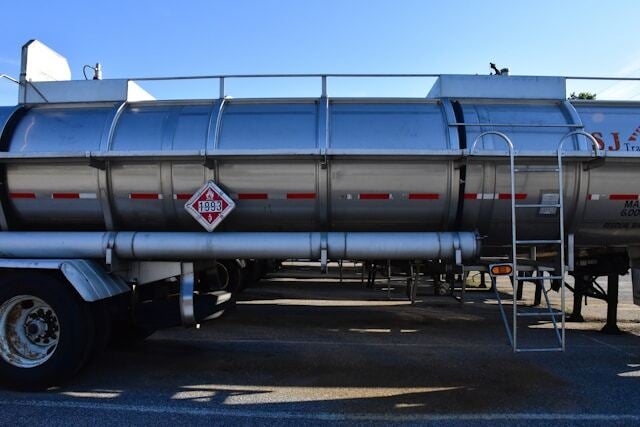
Hazardous material transportation poses significant legal, environmental, and public safety risks due to strict regulations on commercial vehicles. In case of accidents, it's difficult to determine who legally holds responsibility. Multiple parties, including drivers, transportation companies, manufacturers, contractors, government regulators, and third-party logistic firms, could potentially bear some responsibility. Accidents involving hazardous cargo can result in serious injuries for motorists, pedestrians, and emergency responders, as well as exposure to chemicals that can cause long-term illnesses.
When dealing with hazardous material transportation issues, it's crucial to adhere to state and federal laws. The US Department of Transportation offers guidelines for packaging and labeling hazardous materials, vehicle standards, and routing. Companies that fail to label dangerous materials or ensure proper driver certification may face liability. Violations in safety protocols, such as not regularly inspecting tanks and seals, can lead to personal liability or vicarious liability for employers. Inadequate training can also result in catastrophic errors, posing a risk to both parties.
Manufacturers of hazardous substances have specific legal obligations that need to be fulfilled to operate legally and safely. A company could be held liable if dangerous chemicals were shipped improperly packed, mislabeled, or without necessary safety information. Any of these conditions increase the chances of an incident, especially when leakages result from packaging flaws or defective design and cause injuries or deaths. Manufacturer could be sued personally in civil court, victims will require expert testimony as evidence proving this fact would have prevented it otherwise.
These claims may be brought by municipalities and government agencies. Failure by cities or states to maintain safe infrastructure such as roads not designed for handling hazardous cargo could place responsibility squarely on them. Some jurisdictions even mandate pre-authorization or route requirements of trucks transporting hazardous materials which if ignored could increase legal exposure further. Depending on the circumstances surrounding an injury, incident cleanup workers may qualify for workers' compensation while third-party claims can also be pursued against private actors who failed to report or misrepresent the danger.
Cleanup companies are crucial in protecting populations after hazardous material accidents, but they may face legal consequences for ineffective methods or failing to notify nearby populations. Property owners, facility managers, and landlords may be sued if exposure damages their properties or threatens tenant safety. Hazardous material accidents often lead to multiple lawsuits, requiring coordination between personal injury lawyers, environmental specialists, and regulatory agencies for handling cleanup services.
Injured parties need to act swiftly after accidents involving hazardous cargo occur. Over time, evidence such as dashcam recordings, cargo manifests, and transport logs could disappear into thin air. Legal professionals knowledgeable in both environmental law and injury law are the ideal partners when seeking justice against those responsible. Transporting hazardous cargo materials remains vitally important, yet holding those accountable must remain an integral component of providing justice for injured parties.
For inquiries related to traffic accident laws or injury laws, or to hire an accident attorney, contact the legal professionals of Bautista LeRoy LLC through this number 816-221-0382 or email them at [email protected]. Serving Kansas City, MO and KS as well as surrounding areas of Benton County and St. Louis.
Summary:
Transportation of industrial hazardous materials is very risky due to various reasons, including injury-wise and legal reasons. Industrial hazardous materials are harmful to people; some of these materials can damage property and severely pollute the environment. Understanding the legal liability and the complex processes of cases related to the transportation of hazardous materials is very important. Being well-informed about factors such as causation, fault, and even regulatory compliance is very necessary, especially when claiming compensation. Depending on the nature of the accudent, liability may arise under civil law, criminal law, or administrative law.
The regulatory framework is also another very important factor in determining liability. Some states have very strict regulations regarding the transportation of hazardous industrial materials. Regardless of negligence, when harm occurs, responsible parties are held liable. Violations of safety regulations can serve as evidence, per se. This is common in civil litigation. In addition, environmental regulations may also impose fines, clean-up costs, and long-term remediation obligation on liable parites.
Multiple parties may share liability under comparative or joint liability principles. This is not uncommon. The main parties that may be liable include the following:
- manufacturers
- drivers
- shippers
- third-party contractors
- carriers
These key parties must ensure compliance with regulations and safety codes concerning transport practices, routing restrictions, handling, storage requirements, vehicle maintenance, and other safety standards. These key parties must also prevent committing violations by ensuring that hazardous materials are properly labeled, classified, packaged, and documented.



Comments
There are no comments for this post. Be the first and Add your Comment below.
Leave a Comment