
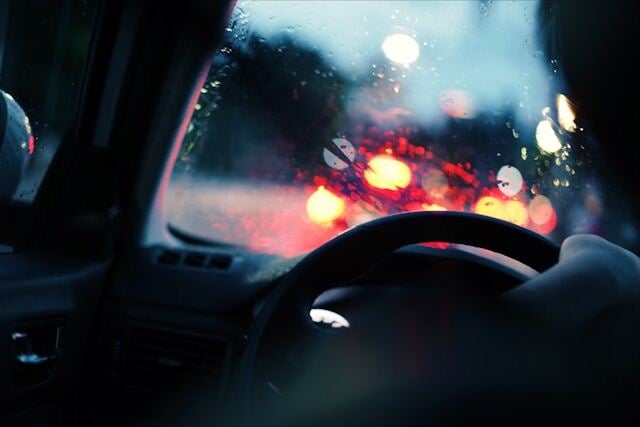
Driving with impaired sight is hazardous for everyone involved - the driver, their passengers, pedestrians, other drivers, and other road users. Vision is essential to safe driving; it allows them to detect traffic signals, identify hazards, judge distances accurately, and respond swiftly in rapidly shifting situations. However, visual impairment can reduce these abilities, increasing accident risks significantly.
Age-related changes like macular degeneration, glaucoma, and cataracts can negatively impact driving vision, reducing peripheral awareness and depth perception. Diabetes can cause diabetic retinopathy, which can cause blurred vision or sudden vision loss. Untreated refractive errors like nearsightedness or distance vision can hinder drivers from reading signs or responding safely to objects.
Side effects from medication can alter your vision by producing blurriness or double vision, impairing driving performance. Before driving with any prescription medicines, including sedatives or allergy medicines, as well as painkillers/narcotics, it is wise to consult a healthcare professional regarding how they may impact visual ability. Driving while suffering temporary impairments due to fatigue, such as blurred vision, can put drivers' lives in jeopardy.
Drivers with impaired vision should exercise caution in high-traffic or high-speed situations, as reduced visual acuity can lead to poor decision-making and delayed braking due to decreased hazard perception. This narrow peripheral view can increase collision risks during lane changes or turns, and impaired depth perception makes judging distance difficult, making overtaking other vehicles difficult, parking safely, and stopping behind them more dangerous.
Impaired vision drivers are legally obligated to undergo vision screening as part of their licensing process. Failure to wear corrective lenses, even after a broken license or an accident, could result in penalties, traffic tickets, and liability in case of an incident.
Impaired vision can cause accidents, causing injuries and property damage. Drivers should exercise reasonable care and ensure they are physically and medically fit. Driving recklessly can lead to lawsuits and compensation payments, including medical bills, lost income, and emotional trauma damages. Impaired drivers can be held legally responsible for these damages, imposing significant compensation for their direct or indirect contribution to the accident.
Insurance implications are equally critical. Insurance providers may deny or reduce coverage if policyholders fail to disclose medical conditions that impact their ability to drive, such as vision impairment. Drivers failing to reveal vision impairment when applying for or renewing coverage could find themselves responsible for any associated accident-related costs and even policy cancellation or increased premiums, further jeopardizing financial security.
Preventative measures should be implemented to lower the risks associated with driving. Routine eye exams can detect vision decline early and allow drivers to update prescriptions or seek medical help as soon as necessary. Older drivers should have their vision checked regularly; to meet legal driving standards, they should also wear prescribed eyewear at all times while driving and should never drive until cleared by their physician.
The text emphasizes the importance of education in maintaining optimal vision for road safety, providing advice and counseling to patients with visual impairments, and assisting older adults and those with medical impairments by monitoring signs and encouraging professional assessments. This approach helps protect the public and ensures a safer driving environment.
Impaired vision increases driving risks, placing everyone's safety in jeopardy. According to the law, drivers must meet visual standards necessary for safe vehicle operation; failing which they could face criminal and civil penalties as well as insurance complications in case of accidents. Regular eye exams, corrective measures, and responsible decisions regarding driving fitness may help individuals prevent accidents.
For inquiries related to traffic accident laws or injury laws, or to hire an accident attorney, contact the legal professionals of Bautista LeRoy LLC through this number 816-221-0382 or email them at [email protected]. Serving Kansas City, MO and KS as well as surrounding areas of Benton County and St. Louis.
Summary
Drivers depend on good eyesight to see traffic signs, other vehicles, pedestrians, hazards, and road markings. Drivers with poor vision will find it harder to judge distance, drive safely during evening, or notice objects on the side. When the driver's vision is impaired, it can make driving much more difficult and dangerous. This is why all drivers have a responsibility to follow the conditions written on their license and be honest about their eyesight. They should not ignore these restrictions or continue to drive when their vision has become too poor because it can put them, the passengers, and other people on the road in a serious danger.
When impaired driving results in an accident, depending on the situation, a driver may be held legally liable for injuries, property damage, or other violations. Authorities can also restrict or suspend their license when health conditions affect their ability to operate the vehicle safely.
Here are the driver's legal obligations after an accident from impaired driving:
- stop and provide license, name, address, and important details about the vehicle
- provide assistance/should not abandon the victims
- the driver may face criminal and/or civil liability (if the accident was caused by negligence or reckless driving)
- may face civil liability for damages
- cooperate with the authorities during the investigation


Comments
There are no comments for this post. Be the first and Add your Comment below.
Leave a Comment