
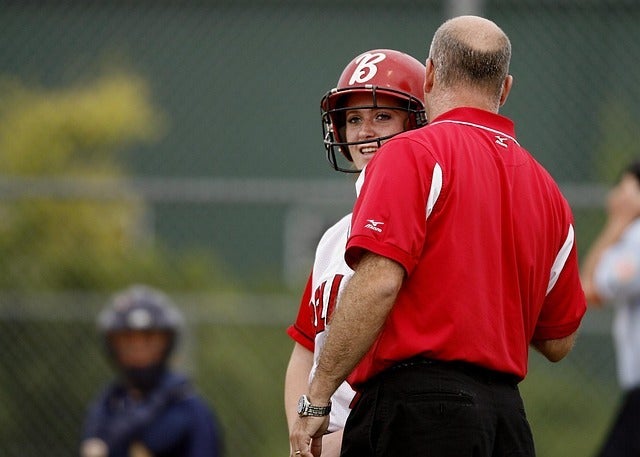
Coaches are crucial in the growth and development of athletes, providing physical and psychological guidance and ensuring safe training and competition environments. Inadequate coaching, poor supervision, or negligent behavior can lead to injury during practice and competition, raising legal concerns and long-term ramifications for both injured parties and coaches.
Coaches' duty of care involves proper training, safe practices, and adherence to safety protocols. They must match instruction to athletes' skill levels, mitigate risks, and act swiftly when danger arises. Neglecting these duties can lead to injuries ranging from minor sprains to more serious conditions like concussion and spinal damage.
Coaching negligence involves incorrect training techniques, which can lead to increased injury risk. In contact sports like football or wrestling, poor tackling techniques can result in concussions and joint injuries. Coaches are held liable if inadequate guidance is not given, as they must teach skills safely.
Supervision is another key part of negligence. To safeguard young athletes' well-being during practice and games, coaches need to offer constant supervision. Otherwise, they risk permitting dangerous practices like unsafe equipment use or drills as well as excessive competition among teammates resulting from lack of supervision resulting in bullying and hazing, with physical as well as emotional consequences on athletes.
Coaches must also remain cautious to prevent injuries to themselves or others. Equipment must remain in excellent condition to create an atmosphere conducive to safe practices. Failing to consider heat-stroke during outdoor practice during extreme heat could have serious repercussions. Coaches or organizations could face legal actions for failing to take basic safety precautions.
Legal claims against coaches can be challenging, as victims must prove that the coach breached a duty and caused their harm. Coaches may also be held responsible for psychological injury to athletes, who may suffer long-term psychological harm from verbal abuse, intimidation, or misconduct. Emotional distress claims may require witnesses' statements or medical records as proof, making it essential for athletes to seek legal repercussions.
To mitigate risk, coaches and organizations should regularly provide emergency response and injury prevention training, as well as CPR and first aid training. Parents and athletes should be informed about expectations and safety policies for coaches, and organizations should conduct thorough background checks and regular evaluations of coaches to ensure participant safety.
Understanding your legal rights is crucial for athletes and their families. Consulting an experienced personal injury lawyer can help determine a compensation plan, covering medical bills, lost income, and pain and suffering damages.
Coaching negligence is a significant issue in sports, emphasizing the need for accountability. By addressing concerns about athletes' welfare and creating safe environments, organizations can reduce injury risks and build trust within athletic communities, thereby reducing the issue of coaching negligence.
For inquiries related to traffic accident laws or injury laws, or to hire an accident attorney, contact the legal professionals of Bautista LeRoy LLC through this number 816-221-0382 or email them at [email protected]. Serving Kansas City, MO and KS as well as surrounding areas of Benton County and St. Louis.



Comments
There are no comments for this post. Be the first and Add your Comment below.
Leave a Comment