
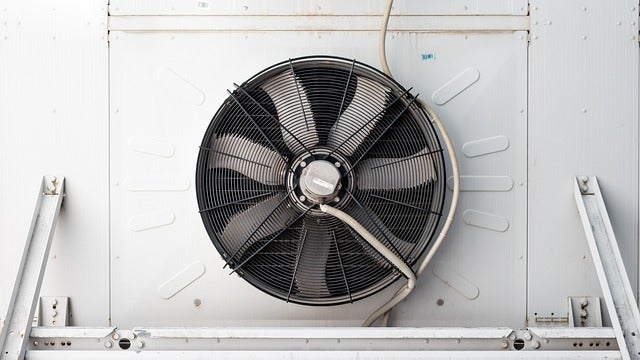
Poor ventilation in industries with high temperatures, tight spaces, and fumes can lead to serious respiratory ailments, heat-related illnesses, and long-term health issues. Food service employees and employers must understand the legal implications of poor ventilation risks to make informed decisions to protect employee well-being and prevent lawsuits.
Ventilation is critical in controlling environmental hazards and maintaining air quality, so without adequate ventilation kitchen fumes, grease particles, and excessive heat quickly build up without proper air movement. Long-term exposure may result in respiratory ailments, heat stress, and worsening preexisting conditions. Workers' compensation laws could hold employers liable if inadequate ventilation measures were provided by employers.
Poor ventilation can lead to legal liabilities for employers if they don't comply with occupational safety laws and standards, such as OSHA. These laws mandate employers to create safe workplace environments, including proper ventilation, to minimize exposure to hazardous substances. Violations could result in fines, citations, and increased scrutiny, potentially strengthening an employee's claim for workplace illness or injury.
Workers impacted by poor ventilation can file legal claims under workers' compensation law for compensation. Workers suffering respiratory ailments, heat-related illness, or airflow-related ailments qualify as occupational diseases that entitle them to compensation in terms of lost wages, medical bills, and damages. Success for these claims lies with being able to demonstrate there was a direct connection between their health issue and an employer failing to provide sufficient ventilation.
Some cases extend beyond workers' compensation to involve third-party liabilities. Employees could pursue manufacturers if, for instance, defective ventilation equipment causes health problems for them; or landlords that failed to fix ventilation issues in leased food service spaces and shared in any resulting health problems due to ineffective ventilation management may share liability as well. Claims such as these require expert testimony as well as thorough investigations for success.
Employers can reduce legal liability and mitigate risk by prioritizing ventilation improvements. This includes installing high-quality exhausts, maintaining HVAC equipment, regularly assessing air quality, training employees to recognize respiratory distress, documenting worker safety efforts, and incorporating respiratory distress detection protocols into employee wellness training plans.
Understanding your rights as an employee is critical. Workers exposed to poor ventilation should report these hazards immediately and document any symptoms or medical diagnoses related to workplace conditions. Seeking legal advice early can assist workers through the complex process of filing claims and receiving compensation after injury or illness occurs.
Poor ventilation in the food service industry poses both health and legal concerns, with employers expected to provide safe working environments while mitigating risks associated with inadequate airflow. By adhering to safety regulations and responding effectively to ventilation concerns, food service businesses can safeguard employees while also avoiding expensive legal disputes.
For inquiries related to traffic accident laws or injury laws, or to hire an accident attorney, contact the legal professionals of Bautista LeRoy LLC through this number 816-221-0382 or email them at [email protected]. Serving Kansas City, MO and KS as well as surrounding areas of Benton County and St. Louis.



Comments
There are no comments for this post. Be the first and Add your Comment below.
Leave a Comment