
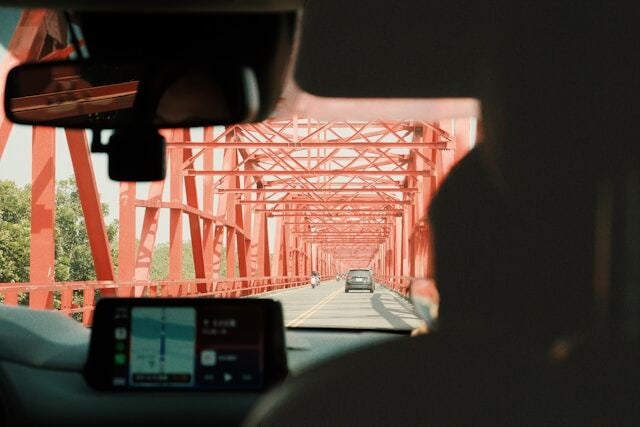
Data recording devices like dashcams, event data recorders in cars, and smartphone tracking applications have become an indispensable way of documenting events leading up to an incident. While such tools may help establish who was at fault in a lawsuit or personal injury suit, their legal implications must also be carefully considered; this goes both for plaintiffs and defendants involved.
Electronic Data Recorders (EDRs) are crucial tools that record vehicle performance data before, during, and after an accident. This data can help reconstruct the event and assign fault, such as negligence if a driver failed to brake or speed before the incident. However, the legal implications must be thoroughly researched and authenticated before being presented as evidence in court.
Consent is key in deciding the use of data recorders as proof in legal proceedings. EDR data often belongs to vehicle operators or owners and requires either their permission or court orders to be used. When accident parties don't permit access to their records, courts will decide if and how the data can be used against them in court proceedings. Privacy laws in each region also play a part in when and how this information can be utilized in legal matters.
Dash cams are increasingly used in accidents as visual evidence, providing precise information about the time, location, road conditions, and surrounding circumstances. They can be used to prove faults, such as a driver running a red light illegally, or exonerating drivers if the accident was unavoidable or the fault of another party.
Smartphones and other mobile devices can be crucial in accident litigation proceedings, as they automatically record information like location, speed, driver behavior, and driving patterns. This data can be used to prove liability after an accident, but it raises issues over accuracy, source, and manipulation attempts. Distracted drivers may contribute to the accident, and opposing parties could challenge its validity if retrieval procedures aren't strictly followed or privacy rights are violated.
How data recorders are employed in court will depend upon the rules of proof in each jurisdiction where a case is heard. Any data gathered must be authentic, relevant, and legally collected. For parties using EDR data, dashcam footage, or phone records in court proceedings they must also demonstrate its reliability and non-alterations before expert testimony may be needed to explain its significance to the jury and judge alike.
Data recorders - dashcams, EDRs, or smartphones - play an invaluable role in accident suits by providing evidence that helps determine fault and establish negligence. While their legal implications vary according to factors like consent laws and data validity, those involved should understand their significance on outcomes as soon as they've been involved in an incident and seek legal advice to help navigate difficulties associated with using such technology.
For inquiries related to traffic accident laws or injury laws, or to hire an accident attorney, contact the legal professionals of Bautista LeRoy LLC through this number 816-221-0382 or email them at [email protected]. Serving Kansas City, MO and KS as well as surrounding areas of Benton County and St. Louis.


Comments
There are no comments for this post. Be the first and Add your Comment below.
Leave a Comment