
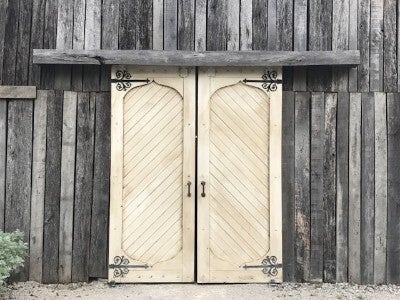
Public buildings should adhere to design and safety standards to ensure accessibility and minimize visitor injury risks. Low-clearance door frames pose serious head injury risks when used without supervision or safety precautions. These hazards are especially severe in old structures with historic landmarks that haven't undergone renovation, leading to liability questions under premises liability laws due to a lack of overhead clearance solutions.
Legally, owners or operators of buildings must ensure safe environments for anyone lawfully present on their premises. Predictable and preventable structural hazards should be identified and addressed quickly. For instance, a door frame that requires someone to duck could lead to concussions or neck trauma for anyone passing. Should such hazards remain undetected and fail to be corrected promptly then negligent actions might ensue against property owners who failed to mark these hazards properly and someone could get injured as a result.
Low-clearance door frames can lead to injury claims if owners don't take reasonable measures to eliminate the danger or provide sufficient warning. Historic building owners with preservation laws may install warning signs or padding as precautionary measures. Failure to do so could constitute negligence, especially if previous incidents or complaints occurred and legally responsible parties had no escape route.
"Premises Liability" is a legal theory that holds property owners responsible for injuries caused by unsafe conditions on their premises. In the U.S., guests can be classified as invitees, licensees, or trespassers. Each category receives different levels of care. Public buildings are considered invitees, so owners must inspect them thoroughly and display warning signs to alert tall people. Improperly marked doorways could lead to legal action if not properly marked.
To prove the door frame was unsafe, an injured party must demonstrate that its owner knew or should have known about its danger. Documentation such as medical reports, incident logs, witness statements, and photographic evidence will help establish the timeline and impact of an event and degree of negligence in an individual case. Building codes or ADA compliance guidelines also may provide insight into this aspect.
Liability can be shared between multiple parties, such as landlords, construction companies, or architects, depending on the circumstances. In shared spaces, each party may be responsible for maintaining a safe environment for customers, while the landlord is responsible for structural issues and maintenance needs. Construction companies or architects may also be held accountable for unsafe design.
Compensation in these instances can cover numerous damages. These may include medical bills, rehabilitation expenses, lost income, and pain and suffering claims as well as long-term mobility or cognitive issues that result from serious head injuries. The legal system recognizes this is important given how serious head injuries may alter life for years afterward.
To pursue a successful claim, an injured party must act quickly. Each state's statutes of limitation differ; waiting too long may prevent recovery altogether. It is wise to consult a personal injury lawyer with expertise in premises liability who can assess details from incidents, determine viability, and lead victims through the process to secure just compensation for injuries they have endured.
Low-clearance doors might seem like minor architectural quirks, but their consequences are potentially serious. Legal accountability encourages owners to be proactive when it comes to public safety, reminding owners how critical it is that buildings remain functional yet safe for users.
For inquiries related to traffic accident laws or injury laws, or to hire an accident attorney, contact the legal professionals of Bautista LeRoy LLC through this number 816-221-0382 or email them at [email protected]. Serving Kansas City, MO and KS as well as surrounding areas of Benton County and St. Louis.
Summary:
Public building designs are required legally to be safe for visitors. Property owners must adhere to safety standards in order to minimize injury risks. Hazards may result in accidents, leading to liability and expenses for property owners. Some of these hazards include:
- cracked or uneven flooring
- loose handrails or guardrails
- falling objects from shelves or fixtures
- ceiling leaks
- degraded tiles
- damaged steps or staircases
- nonfunctional smoke detectors
- blocked emergency exits
- fire extinguishers missing or out of date
- nonfunctional sprinkler systems
- storage blocking hallways or exits
- overloaded electrical circuits
- exposed wiring
- faulty lighting fixtures
- equipment failure
- damaged switches or outlets
- overused electrical cords
- lead paint
- asbestos (in older buildings)
- mold or mildew
- pest or rodent infestations
- wet or slippery floors
- cluttered walkways
- poor lighting
- malfunctioning elevators or escalators
Old structures pose even more severe hazards. This is common in old historic landmarks that are not renovated. Old buildings, especially with no supervision or safety precautions, usually pose dangers, leading to accidents that might be costly. Therefore, property owners are legally obliged to ensure hazard-free buildings and comply to safety regulations. Anyone who is present on the premises has the legal right to compensation claims. That is why it is the responsibility of the owners to conduct regular safety inspections in order to predict and prevent hazards.

Comments
There are no comments for this post. Be the first and Add your Comment below.
Leave a Comment