
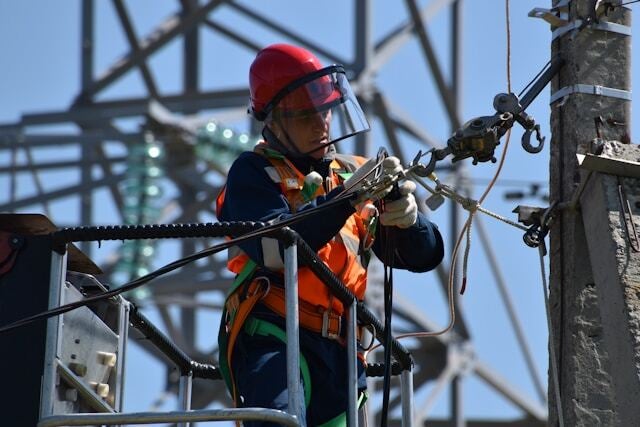
Electricians face numerous electrical hazards, including live wires, high-voltage equipment, and live wires themselves, which create a dangerous work environment prone to burns, cardiac arrest, and neurological injuries. Legal protections are available for electricians to seek compensation and hold those at fault accountable. It's crucial for electricians to understand these protections to navigate the complex claims filing and receiving process.
OSHA is responsible for setting stringent electrical safety rules at work and employers have an obligation to create an environment conducive to worker wellbeing in terms of maintenance of systems as well as providing protective gear such as boots, gloves, and tools to their staff. Workers compensation may be available if an electrician suffers injury as the result of a negligent action by their employer, for instance, if they fail to adhere to OSHA regulations or do not offer sufficient safety training programs.
Electricians who experience on-the-job injuries will typically seek compensation through workers' compensation, the no-fault system that allows injured employees to recover medical costs, lost wages, and rehabilitation costs without needing to prove fault from their employers. While workers' comp can provide valuable financial coverage, most noneconomic damages such as emotional distress and pain and suffering won't be covered, electricians will likely need to file personal injury suits instead.
Where third-party negligence contributed to electrocution, a personal injury suit may be filed. An electrician injured due to defective equipment or incorrect installation can file such a suit and seek economic and non-economic damages including pain-and-suffering awards, loss of consortium claims, or punitive damage compensations. Therefore it's essential that electricians can both file workers' comp claims as well as civil suits to receive full compensation from both sources.
Electrical contractors injured by defective tools or equipment can file product liability suits to seek additional compensation from manufacturers or distributors. Such complex claims provide additional compensation to electricians injured due to unsafe tools and equipment.
Electricians who sustain injuries that result in permanent disability could qualify for benefits beyond workers compensation and personal injury suits, through Social Security Disability Insurance (SSDI). SSDI offers financial aid for workers unable to return to work following severe accidents such as electrocution accidents, thus allowing SSDI recipients to cover living expenses while remaining financially secure.
Electricians who experience electrocution injuries need to understand their rights and protections in order to get the compensation that is owed them, including workers' compensation, personal injury lawsuits, product liability suits, and disability benefits. An experienced attorney is essential in managing these complex legal processes for injured electricians to maximize a positive result for all.
For inquiries related to traffic accident laws or injury laws, or to hire an accident attorney, contact the legal professionals of Bautista LeRoy LLC through this number 816-221-0382 or email them at [email protected]. Serving Kansas City, MO and KS as well as surrounding areas of Benton County and St. Louis.



Comments
There are no comments for this post. Be the first and Add your Comment below.
Leave a Comment