
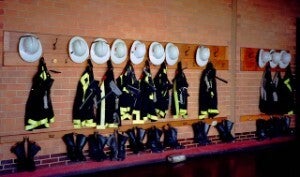
Fire academies provide essential training for future firefighters preparing to fill emergency response roles, with safety standards meeting real-world conditions simulated at all times. But injury risks should never become unacceptable due to improper implementation or supervision issues. Legal protections may apply depending on the cause and nature of each incident involving recruits injured during fire academy training; it is crucial for anyone pursuing firefighting careers as well as institutions wanting accountability on this front.
Fire academies offer an authentic training environment by combining intense physical activity, controlled burning, and high-risk equipment in realistic settings. However, this training can lead to serious injuries such as burns, falls, and muscle issues, requiring legal liability. The responsibility for these incidents should be determined by negligence, unsafe practices, or inadequate safety measures, such as not following basic safety protocols.
Instructors in fire academy must adhere to OSHA's safety regulations, including standards, to avoid breaches. Violations, such as improperly distributed breathing apparatus or failure to recognize distress signals from recruits, could lead to legal action. Instructors should immediately respond appropriately when students are distressed, ensuring a safe and healthy work environment.
The legal rights of injured recruits in public or private fire academies can be impacted by their operating entity. Public fire academies may face liability limits due to immunity laws, while private training centers have higher liability standards, allowing direct negligence claims. Injured recruits should document incidents using witness reports, medical reports, and photos, which public fire academies typically cannot do.
Workers' compensation may cover injured parties in certain instances, particularly if the individual was employed at or affiliated with a fire station at the time of training. Workers' comp can cover medical treatment, lost wages, and rehabilitation for an employee injured at work; it does not permit additional lawsuits. However, if third-party negligence, such as defective equipment supplied from outside vendors is involved further legal action may still be possible.
Mental injuries like post-traumatic disorder (PTSD), which are also covered under injury law if an incident was preventable or resulted from improper handling of stressful situations, continue to gain legal recognition. Institutions now must offer both physical safety as well as psychological support during intensive training courses.
Recruitment employees injured on the job should consult a legal expert experienced in employment or personal injury law to review their options and understand any limitations that exist about filing claims for compensation in their state of residence. An advocate could determine if their case falls into negligence, product liability, or civil rights violations categories.
Firefighting is an extremely noble profession; however, recruits' long-term safety or health shouldn't come at the cost of its vital work. To safeguard future firefighters and prepare them, legal safeguards must be in place that protect recruits. Institutions must prioritize safety, and individuals should know their rights should they become injured while performing public service.
For inquiries related to traffic accident laws or injury laws, or to hire an accident attorney, contact the legal professionals of Bautista LeRoy LLC through this number 816-221-0382 or email them at [email protected]. Serving Kansas City, MO and KS as well as surrounding areas of Benton County and St. Louis.
Summary:
Fire academy training is risky. Because it is exhaustive physically and mentally, it carries the risk of injury. Many fire academy recruits survive the training, buy many also give up or worst, get hospitalized because of injury. Just like any other physical activity, it can lead to an accident.
Some examples of injuries from fire academy training are:
- sprains and strains (ankle, knee, wrist)
- muscle tears or overuse injuries (shoulder, back, hamstrings)
- tendon or ligament tears (ACL, rotator cuff)
- fractures from falls or heavy equipment
- minor burns
- smoke inhalation and respiratory irritation
- thermal burns from equipment or hot surfaces
- cardiac events
- chronic injuries from repetitive lifting
- dehydration-related injuries
- crush injuries
- cuts. lacerations, abrasions
- impact injuries from slips, trips, or falls
- eye irritation
- respiratory issues
- hearing damage
- heat cramps
- heatstroke
- heat exhaustion
It is important to understand the legal protections available for both recruits and training institutions in order to ensure safety, support, and accountability. These are:
For recruits:
- worker's compensation coverage
- duty of care protections
- OSHA standards
- negligence claims
- medical privacy protections
- disability protections
- specific state statutes
For fire academy institutions:
- liability waivers / release forms
- sovereign or governmental immunity (for public academies)
- risk management and safety protocol compliance
- standard operating procedures
- insurance coverage
- documentation of injuries and incidents
- training and certification compliance



Comments
There are no comments for this post. Be the first and Add your Comment below.
Leave a Comment