
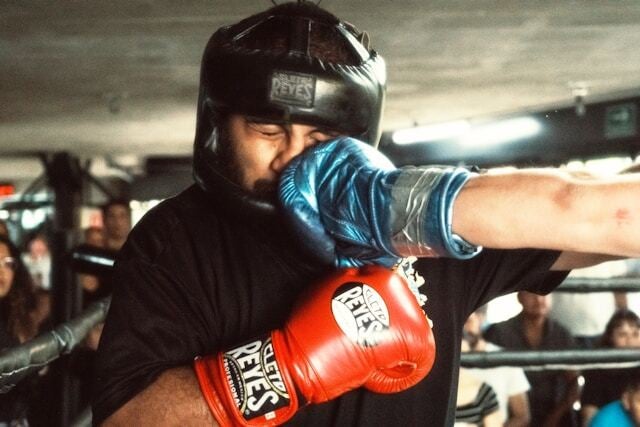
Contact sports offer health benefits but also pose an increased risk of injury, including dental trauma. These injuries are often overlooked in sports medicine, and while concussions and sprains are more important, chipped teeth and severe jaw fractures require further medical and legal investigation due to their impact on liability and prevention measures.
Contact sports like football, basketball, and rugby can cause dental injuries due to falls and collisions. Athletes often receive direct impacts, resulting in chipped, dislodged, or knocked-out teeth, fractured jaws, or TMJ damage. This trauma can extend to fractured bones, leading to chronic pain, infection, and costly reconstructive dentistry if left untreated.
Dental injuries in sports can be influenced by factors such as contact levels, protective gear use, and athlete compliance with safety protocols. Custom-fitted mouthguards provide better protection, but amateur athletes often opt for less effective or cheaper alternatives. If teams or coaches fail to enforce regulations for safe play, resulting in injuries they could have prevented with proper gear, questions of negligence arise as injuries might have been avoided if proper protection had been in place.
Sports-related dental injuries can raise liability questions, particularly when they result from a lack of protection or supervision in youth sports leagues and schools, or from defective sports equipment. Injury Law examines whether reasonable steps were taken to safeguard athletes, any violations in duty of care resulting in harm, and failures that led to their injuries, including failure by staff members to use mouthguards or ignore discomfort signs, potentially leading to claims for negligence against responsible coaches and staff.
Prompt management of dental injuries after accidents is crucial, as proper first-aid training and protocols can prevent permanent tooth loss. Trainers and coaches should be trained in handling dental emergencies, and sports facilities should establish relationships with emergency dental care providers or implement referral systems to ensure athletes receive necessary treatment quickly. Without proper first aid training, institutions risk lawsuits if injuries worsen.
Insurance policies and waivers play a vital role in organized leagues to address dental injuries. Athletes should understand their dental coverage limits as well as whether additional insurance might be needed, while waivers might seem to absolve organizations entirely in cases involving negligence or unsafe conditions. Legal professionals will frequently compare what was written into these documents with actual safety practices in effect at the time of an injury occurring.
Dental injuries in sports require prevention, education, and a safety culture. This includes teaching athletes about proper mouthguard use, regular dental check-ups, reporting oral pain, and abnormalities, and mandatory dental safety training. Mandatory protective gear use during high-risk sports events is also crucial. Legal and medical management alone cannot solve dental injuries in sports.
Dental injuries in contact sports can have severe medical, financial, and legal consequences for all athletes involved. Ensuring safety measures is crucial for athletes' health and preventing legal repercussions beyond the playing field. Sports institutions can protect athletes' health by raising awareness on proper equipment usage and legal compliance obligations, as well as providing staff education programs to protect smiles. This is part of their role responsibilities, as legal liability implications may extend beyond the playing field.
For inquiries related to traffic accident laws or injury laws, or to hire an accident attorney, contact the legal professionals of Bautista LeRoy LLC through this number 816-221-0382 or email them at [email protected]. Serving Kansas City, MO and KS as well as surrounding areas of Benton County and St. Louis.
Summary
In contact sports, such as boxing, basketball, football, and rugby, dental injuries happen most of the time. This is why players, coaches, sports organizations, and schools have certain responsibilities for the safety of all athletes or participants. If these entities ignore measures for safety and someone suffers a preventable dental injury, this will fall into negligence and there could be legal consequences.
To understand the importance of protecting their overall health, regular education about sports safety is very essential. Dangerous behavior should be discouraged by coaches because it increases the chance of injury. Instead, they must promote fair play.
Preventative measures:
- wear proper mouthguard during training sessions and games
- use helmets or face protectors (if needed)
- conduct regular safety checks on facilities and equipment
- train coaches and staff in basic dental emergency management
- educate athletes about dental injury prevention
- promote regular dental check-ups for athletes
- discourage reckless or aggressive behavior
Some of their legal obligations are:
- ensure a safe playing environment
- supervise players properly during games
- inform athletes and parents about the risks of participation
- enforce rules for safety
- obtain informed consent from players or parents for minors
- ensure sports equipment is safe and properly maintained
- provide quick access to first aid and professional dental care when needed
- have emergency response procedures in place
- follow the safety standards and protocols



Comments
There are no comments for this post. Be the first and Add your Comment below.
Leave a Comment