
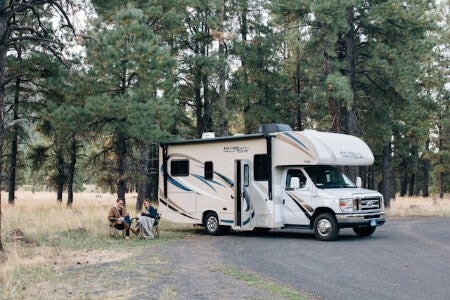
Rental companies are incorporating waivers into their rental agreements to protect renters from injuries or accidents in recreational vehicles. However, the legal enforceability of these waivers depends on various factors, including circumstances, state law, and the type of agreement signed. Renters may believe signing these waivers waives their right to sue in case of a car collision, but the enforceability of these waivers also depends on these factors.
Rental companies use waivers to assume risk, requiring renters to accept all risks associated with operating an RV, including accidents, malfunctions, and hazards. This waiver is designed to protect both parties from potential liabilities caused by renter actions while using the vehicle, as it can be confusing and intimidating for first-time users.
Court-approved waivers, particularly for RV rental agreements, can be challenging due to various factors, including clarity of language, fair terms, and compliance with consumer protection laws or public policy. Courts closely review waivers for unconscionability or overbroadness, allowing legal recourse in case of negligence or gross misconduct. Overly general or vague waivers may not be accepted.
Negligence is one of the key components that will ultimately decide the success of an RV rental agreement in court. Even when renters sign waivers, companies that fail to maintain safe conditions for renters' RVs or provide defective models could still be held liable. For instance, if their failure to inspect brakes and tires leads to an accident, then this would constitute negligence; waiver of liability may no longer apply in these instances.
Waivers protecting companies from claims based on gross negligence or reckless conduct can be challenging to implement and uphold due to courts' restrictions on waivers in such cases. Additionally, if an RV rental firm knows about a serious safety defect but fails to inform or remedy it, it could be disregarded by courts and held liable.
State laws play a pivotal role in whether RV rental waivers are enforced. Certain states impose more stringent regulations regarding consumer protection and liability waivers about recreational activities. In those with strong consumer protection regulations waivers that limit liability may even be invalidated in cases that put public safety at risk.
Some states also enact laws to govern the rental industry. These regulations ensure businesses abide by an acceptable standard of care when renting vehicles such as RVs. Even though renters sign a waiver agreement, any company that doesn't abide by state-specific regulations could still be responsible for additional damages to renters and may incur fines as a result.
RV rental waivers are widely used but their enforcement can vary based on factors like language, fairness, coverage of gross negligence, state consumer protection regulations, local ordinances, and state laws. Rental companies still bear responsibility for negligence or defective vehicles, even with signed waivers. As RV rentals become more popular, both renters and companies must understand potential legal repercussions when signing waivers to protect both parties involved.
For inquiries related to traffic accident laws or injury laws, or to hire an accident attorney, contact the legal professionals of Bautista LeRoy LLC through this number 816-221-0382 or email them at [email protected]. Serving Kansas City, MO and KS as well as surrounding areas of Benton County and St. Louis.



Comments
There are no comments for this post. Be the first and Add your Comment below.
Leave a Comment