
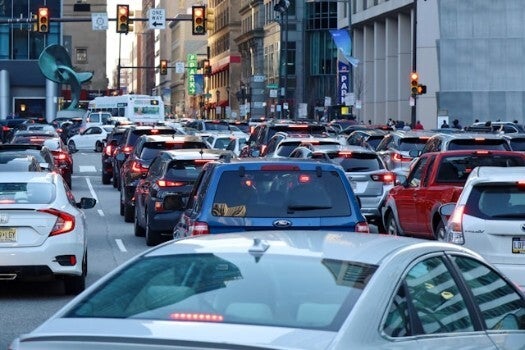
Urban and suburban planning increasingly utilize shared-use roads involving motor vehicles, bicycles, pedestrians, and sometimes animal-drawn or scooter-type vehicles all coexisting on one road designed to reduce traffic flow and promote efficiency. Though, they present unique legal challenges when an accident does happen. When infrastructure fails to divide or manage mixed traffic effectively the overlapping responsibilities among road users can create complex liability situations. Injury claims often raise challenging questions regarding fault, foreseeability, and duty of care which must be carefully scrutinized when they arise, requiring extensive legal analyses from both parties involved.
Shared-use routes make accidents more complex than conventional car collisions due to multiple users and complex traffic rules. Each road has varying legal rights and responsibilities, making each situation more complex. Courts and insurance companies must consider not only traffic rules but also road design, maintenance, and signage when considering responsibility for such incidents. If signage doesn't inform motorists about frequent pedestrian crossings or abrupt bike lanes, responsibility could extend beyond individual actors to the local municipality itself.
Multi-party inquiries are necessary when accidents involving shared-use roads occur. Legal professionals analyze all parties involved, analyze road design, and determine safety measures before determining fault. Compensation payments vary based on responsibility, with each party receiving a proportionate share. Compensation can be reduced based on responsibility, and third parties like city governments or contractors may also contribute by creating hazardous road environments through negligence. Third-party participation is also held liable.
These incidents frequently present complex insurance complications. Not all road users are covered equally; cyclists, pedestrians, and motorists typically fall under coverage either through homeowners' or health policies. Motor vehicle drivers typically rely on auto policies which cover them but may fail to cover non-motorized traffic incidents where policies do not clearly outline liability responsibilities, leading to delays and disputes regarding who owes medical costs, lost wages, and other damages. Legal assistance should always be sought when handling these claims for damages caused.
At times, this issue becomes further compounded when shared-use roadways form part of pilot projects or new urban mobility programs, without clear regulatory clarity and historical precedent like traditional roads do. Municipalities should adapt their models by adopting adequate legislation, signs, and educational campaigns for public use. Otherwise, injured parties could file suit against city planners, transport departments, and private maintenance companies who failed to anticipate harm as an appropriate remedy.
Injury law on shared-use highways has yet to catch up to modern transportation realities, leaving victims struggling with an extremely complicated legal system and often diffusing blame across numerous parties. To adapt to an increasing number of shared areas and ensure users are treated equally, anyone injured on shared roads should seek advice from an attorney so they may successfully navigate its complexities.
For inquiries related to traffic accident laws or injury laws, or to hire an accident attorney, contact the legal professionals of Bautista LeRoy LLC through this number 816-221-0382 or email them at [email protected]. Serving Kansas City, MO and KS as well as surrounding areas of Benton County and St. Louis.

Comments
There are no comments for this post. Be the first and Add your Comment below.
Leave a Comment