
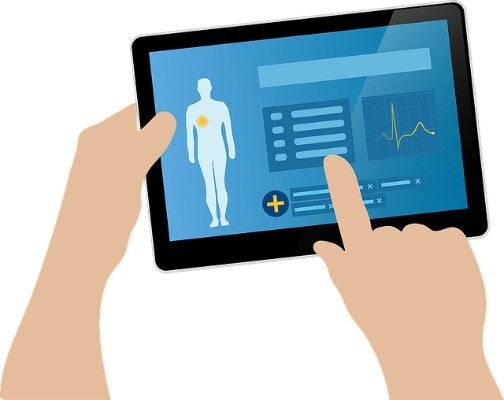
Health apps providing real-time medical advice in emergencies have raised legal complexity. These digital platforms monitor vital signs, diagnose symptoms, and suggest interventions, and therapies. However, users often blindly trust these apps, leading to potential injuries or deaths. This raises questions about liability, negligence, and consumer protection in personal injury law.
Health apps, unlike licensed healthcare providers, do not adhere to strict medical standards and approval processes. Instead, they often fall under wellness devices, allowing developers to bypass these requirements. Health apps can be life-threatening if unexpected issues arise, such as asthma attacks or cardiac symptoms. Legal action may be pursued due to inaccurate data, and liability can be difficult to establish due to long disclaimers users agree to, making it difficult to establish liability.
Disclaimers in court may not always be valid if an app advertises reliability during emergencies. Courts will assess if developers' statements could be understood as medically sound by reasonable consumers and if legal theories like negligence or misrepresentation apply. If health apps suggested replacing professional evaluation in critical incidents, users acted accordingly. Negligence claims and misrepresentation lawsuits could apply, but plaintiffs must prove the app's failure could have been predicted and necessary precautions could have prevented harm.
Injury Law also assesses the role played by third parties. When doctors recommend an app to a patient to treat health conditions and it ultimately fails during an emergency, there may be questions of liability: did it conform with accepted medical practices at its release or was its recommendation part of the standard of practice? These issues highlight how technology intersects with traditional medical malpractice, prompting courts to assess professional liability assessments under digital health integration models.
App developers could potentially face liability under product liability law for creating defective health apps, especially if these products contain design flaws or coding errors that make the product unreasonably dangerous for its intended use. Some jurisdictions recognize strict liability, wherein an injured party doesn't need to establish negligence as long as they use the app as intended; this case typically depends on whether it's marketed as a health-tracking device or a medical device.
Data privacy and security are also fundamental legal considerations, with users potentially experiencing emotional or reputational damage if an app exposes or shares sensitive health data without their permission, leading to additional claims under privacy or data protection regulations in addition to an injury suit. Modern injury laws must evolve to cover harms related not only to physical interactions but also to digital ones that compromise trust relationships.
As society increasingly incorporates new technology into healthcare, legal systems must find ways to balance innovation with accountability. Individuals in an emergency must use health apps with caution while developers prioritize accuracy, transparency, and user education. Furthermore, personal injury law must adapt to give victims of digital health failure clear avenues for justice. Legal responsibility has never been so essential in an age when doctors may offer advice via smartphone screens.
For inquiries related to traffic accident laws or injury laws, or to hire an accident attorney, contact the legal professionals of Bautista LeRoy LLC through this number 816-221-0382 or email them at [email protected]. Serving Kansas City, MO and KS as well as surrounding areas of Benton County and St. Louis.
Summary
Some health apps are unreliable. This is a fact. This is because during emergency, your phone or wifi connection might not work. In addition, health apps are not always accurate, even though you might find them helpful for suggesting treatments, tracking symptoms, or even guiding you through first aid. Sometimes, health apps misread your symptoms, giving you advices that are not really fit on your health issue. And this is where liability issues arise.
Other disadvantages of health apps include:
- false sense of security
- inaccurate information
- outdated guidance
- liability confusion
- overreliance
- lack of personalization
- potential harmful advice
- legal protection favors developers
- limited professional oversight
Majority of the health apps come with disclaimers like "not suitable for professional medical advice", which protects manufacturers from legal liability. In reality, however, people do make serious decisions based on the recommendations given by health apps. This might put a person into a situation where he might be dealing with consequences alone. Health apps should be regularly updated, as it can give outdated or wrong instructions when they're not. This is very dangerous as it can produce a harmful ripple effect, especially if someone blindly shares an incorrect advice.


Comments
There are no comments for this post. Be the first and Add your Comment below.
Leave a Comment