
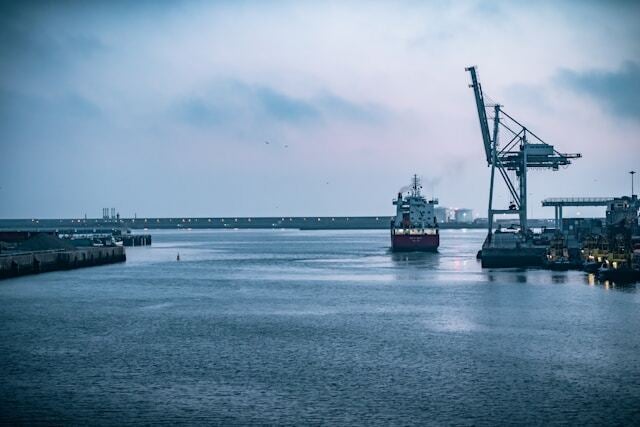
Boating accidents can lead to serious injuries, property damage, and legal disputes. These accidents are often under maritime law's jurisdiction, which regulates navigation and commerce in navigable waters. It also covers compensation options after maritime incidents. Understanding maritime law is crucial when filing personal injury claims, as it can impact legal processes and potential compensation under maritime claims law.
Admiralty Law covers incidents on navigable waters, including recreational boating accidents, vessel collisions, and injuries on ferries or cruise ships. It differs from state personal injury laws as it incorporates federal statutes, treaties, and precedents. Plaintiffs need to determine if their claim falls under this jurisdiction.
The Jones Act is a crucial part of maritime injury law, allowing sailors to sue their employers for negligence. This differs from workers' compensation systems, which limit compensation to medical bills, lost earnings, and pain/comfort claims. Under the Jones Act, claims can cover medical costs, future earnings potential, and compensation exceeding these criteria.
As maritime law governs incidents on recreational boats or cruise ships, most claims against vessel owners for passenger injuries fall under maritime negligence and unseaworthiness principles. Vessel owners owe passengers reasonable care in terms of providing life jackets or operating the vessel safely; failing which they could face liability claims that cover medical costs, lost income, and emotional trauma damages.
The Liability Limitation Act allows vessel owners to reduce their financial liability based on the value of both ship and cargo at the end voyage if they can prove they were not involved in an incident. This law is often applied to commercial vessel owners but has also been enforced against recreational boating cases.
Comparative blame can also apply to maritime injury claims. Should it be determined that an injured party was partially at fault for his or her injuries (for example driving while impaired or not following safety protocols), their compensation could be decreased accordingly. Under maritime law's shared liability principle, in order to accurately ascertain one's level of fault under this shared liability principle a thorough investigation would need to take place first in order to assess this level.
Claims against cruise lines involve complex contract and jurisdictional issues, often involving federal courts. Claims are filed faster than standard statutes, with notification and litigation often taking less than a year. Therefore, claimants should consult maritime injury lawyers immediately following an incident or injury.
Environmental conditions play a large part in maritime injury claims, from weather and currents to international regulations and weather patterns. When incidents take place overseas, expert analysis often must be completed in boating accident cases to establish liability. Such analysis includes navigation practices, equipment maintenance needs, and compliance with maritime standards.
Personal injury claims stemming from boating accidents require a comprehensive understanding of maritime laws and their specific provisions, in particular for passenger vs seaman liability claims. Legal pathways differ depending on whether an injured party was a passenger vs a seaman. Victims and their legal representatives will find greater success navigating maritime injury law by comprehending jurisdictional, and statutory requirements as well as possible limits of liability more easily.
For inquiries related to traffic accident laws or injury laws, or to hire an accident attorney, contact the legal professionals of Bautista LeRoy LLC through this number 816-221-0382 or email them at [email protected]. Serving Kansas City, MO and KS as well as surrounding areas of Benton County and St. Louis.
Summary
Boating accidents can be stressful and confusing. If you've been in this situation and you got injured, it is important to learn how maritime personal injury laws work and how they may influence your claim.
Maritime law or admiralty law is a set of legal rules that applies to activities that happen on navigable waters. It can be applied instead of regular state personal injury laws, depending on where and how the accident happens. This can influence how claims are handled and what types of compensation may be available. The injured person, in some cases, must show that the defendant committed negligence.
Understanding the basics of maritime personal injury laws can help in avoiding overwhelming stress during the process of filing and can help the injured person make informed decisions.
Here are the steps you need to take during and after a boating accident:
- get medical help
- report the accident to the authorities
- gather evidence (collect photos, videos, witness contact information, accident repost, medical records, etc.)
- document your losses
- identify responsible parties
- inform the insurance companies
- review applicable maritime laws
- consult a maritime injury lawyer
- file the claim
- participate in the investigation
- negotiate a settlement
- if needed, proceed to court battle



Comments
There are no comments for this post. Be the first and Add your Comment below.
Leave a Comment