
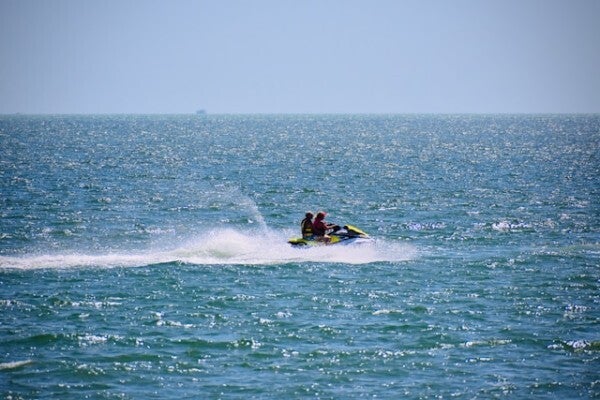
High-speed watercraft, particularly motorboats and jet skis, pose significant safety risks when operated by young people, especially those under 18. Laws mandate minimum ages and mandatory training to protect waterways, but accidents involving under-18 operators continue to cause legal concerns due to inexperience, reckless behavior, and mechanical strength issues, raising complex liability questions among parents, boat owners, rental companies, and regulatory authorities.
Most age restrictions for operating personal watercraft aim to prevent minors from machines that require mature judgment and rapid decision-making under pressure. Children under 16 are typically prohibited from operating powered vessels unless under adult supervision. These regulations are based on data linking youth inexperience to higher accident rates on water, and investigators often investigate violations allowing minors to operate powered vessels without parental supervision.
Parents and guardians can face legal consequences if they fail to prevent their children from operating speed boats illegally, violating boating safety requirements, or engaging in reckless behaviors without proper action. They could be held liable for negligence in supervision if these behaviors cause physical injury or damage to property. Parents could also be sued or held accountable if their child's reckless behaviors result in harm and failure to comply with boating safety requirements. Courts may also consider whether guardians knew but failed to correct prior episodes or address risks due to lax monitoring or oversight from adults.
Vessel owners and operators who rent boats to young operators are held more responsible for negligence, especially if improper practices contribute to accidents. Liability can arise if unsupervised minors operate at high speeds without adequate safety instruction or competency assessment. Gross negligence can occur in jurisdictions prohibiting minor operations, and failure to maintain safety logs or verify operator certifications can strengthen legal claims against negligent rental practices.
Legally, consent is of vital importance; assumed risk and informed consent also matter greatly. Some jurisdictions permit waivers that parents of minors who participate in recreational boating often sign, though in cases involving serious injury or death, the courts can often reject such documents which absolve organizations of responsibility to provide safety measures for vulnerable populations, like children; their enforcement depends upon both jurisdiction and incident-specific factors.
Enforcement of boating laws for minors presents a considerable challenge due to inconsistent patrol presence on waterways and limited resources dedicated to educational efforts regarding water safety. Advocates contend that to decrease boating accidents involving youth advocates argue for increasing visibility and more robust education campaigns while legislators continue assessing whether more stringent licensing and supervision protocols may be needed.
Operating high-speed boats by minors presents complex legal issues involving interpretation, negligence, supervision, and predictability of legislation. Youth water safety increases exponentially as recreational boating becomes more widespread, thus the legal system should adjust itself in order to safeguard public interests while simultaneously holding those responsible accountable when tragedies could have been avoided.
For inquiries related to traffic accident laws or injury laws, or to hire an accident attorney, contact the legal professionals of Bautista LeRoy LLC through this number 816-221-0382 or email them at [email protected]. Serving Kansas City, MO and KS as well as surrounding areas of Benton County and St. Louis.
Summary
Legalities of things can get pretty complicated when minors operate high-speed watercraft. In some regions, teenagers are allowed to drive jet skis or speedboats as long as they are being supervised by adults. On the other hand, in some areas, license are required or they may may have strict policies when it comes to ages. Therefore, different places have different age limits when it comes to this case.
Some of the things that need to be considered for this kind of case include:
- licensing and permist
- legal age requirements
- supervision rules
- parental or guardian liability
- insurance coverage limitations
- training and safety education
- local and regional laws
- accident liability and claims
- enforcement and penalties
- environmental and weather conditions
- safety equipment requirements
Often, when minors cause an accident, they are not held fully accountable just like the way an adult would be. Therefore, responsibility is a complicated issue in situations like this. What happens usually is that parents or guardians end up taking legal responsiblity, especially if they allowed thier minor child to operate the watercraft. This is a big disadvantage to parents because this can lead to financial consequences if there is injury, damage, or even legal claims involved.



Comments
There are no comments for this post. Be the first and Add your Comment below.
Leave a Comment