
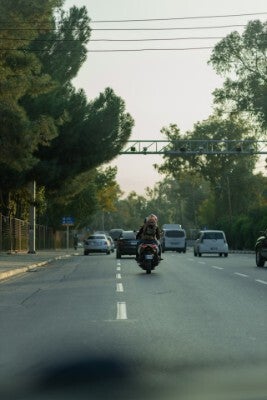
Lane splitting by motorcyclists, or lane-splitting, is a controversial issue in personal injury and road safety law. Some states permit it, while others don't. Accidents can occur while splitting lanes, making liability difficult to determine. Riders must understand their legal environment and potential factors that could affect claims when involved.
Lane splitting legality varies across jurisdictions, impacting injury claims. In states like California, motorcyclists can engage in this practice but should exercise caution. Compensation may be available for motorcyclists injured due to negligence, but insurers or courts may argue recklessness. Cases will be evaluated individually, even in uncertain legislation, considering individual situations and needs.
At the core of most lane-splitting accidents lies negligence: drivers caught texting while changing lanes without signaling may be held liable, while motorcyclists weaving dangerously riding at excessive speed, or engaging in other unsafe acts may face greater difficulty receiving compensation; though many states' comparative negligence laws mean their payout could still vary based on how much responsibility each rider had in creating the crash.
Insurance companies typically dispute claims related to lane splitting in states where it's not expressly legal, often alleging that motorcycle riders assumed greater risks by splitting lanes, in an attempt to deny or limit claims. Personal injury lawyers experienced in handling these types of cases can use evidence such as traffic camera footage, witness statements, and expert witness testimony against this tactic by showing how the motorcyclist was driving responsibly while the other driver was negligent.
Motorcyclists injured in accidents can file claims for medical costs, lost wages, property damages, and pain and suffering compensation. Financial repercussions can be severe in cases involving spinal damage, brain injuries, or broken bones. Personal injury suits may cover long-term care or rehabilitation services. In road rage incidents, courts may award punitive damage to hold those at fault accountable.
Motorcyclists should exercise caution, even in lane-splitting states, by wearing protective gear and being aware of sudden lane changes. They should also use defensive riding techniques, maintain visibility, and anticipate potential hazards. Recording road conditions, traffic patterns, and driver behavior after an incident is crucial for injury claims.
Motorcycle riders in lane-splitting accidents should seek legal advice from a personal injury attorney to establish facts, and liability issues, and gather evidence. Legal representation can negotiate fair settlement agreements outside court proceedings and advocate for maximum compensation if needed, depending on insurer policies.
Accidented motorcyclists should still seek compensation despite the complicated legal issues surrounding lane splitting. Drivers remain accountable for driving safely and being cognizant of motorcycles regardless of whether the practice is legal in their state. Understanding liability laws and consulting legal professionals is important when seeking damages for motorcycle injuries. Advocates are vitally necessary as road safety laws change over time.
For inquiries related to traffic accident laws or injury laws, or to hire an accident attorney, contact the legal professionals of Bautista LeRoy LLC through this number 816-221-0382 or email them at [email protected]. Serving Kansas City, MO and KS as well as surrounding areas of Benton County and St. Louis.
Summary
Lane splitting is an incident where motorcyclists ride between traffic lanes. It is a debated issue in road safety and injury law. Its legality can affect how accident claims are handled, which varies depending on the state. In some places such as California, lane splitting is allowed. However, riders must still be cautious. If an accident occurs, liability depends on the actions of both drivers. A driver who changes lanes without signaling, for example, may be at fault while motorcyclists who are riding at high speeds might be considered reckless.
On the other hand, in states where there's no clear legal parameters, insurance companies make compensation difficult to receive by arguing riders took unnecessary risks. Personal injury attorneys, however, can help by using traffic footage, witness reports, and expert testimony to prove that a motorcyclist or a driver was not at fault.
If proven by evidence, injured motorcyclists can claim compensation for medical expenses, lost income, property damage, and pain and suffering. If injuries are serious, it may require long-term care therefore higher compensation may be needed. In cases of road rage, the law requires additional damages for drivers or motorcyclists who are at fault. Protective gears, staying visible, and defensive driving help riders stay safe. If an accident occurs, however, documenting road and driver behavior is key. To navigate claims effectively and protect the rights of the rider, legal guidance is very important.


Comments
There are no comments for this post. Be the first and Add your Comment below.
Leave a Comment