
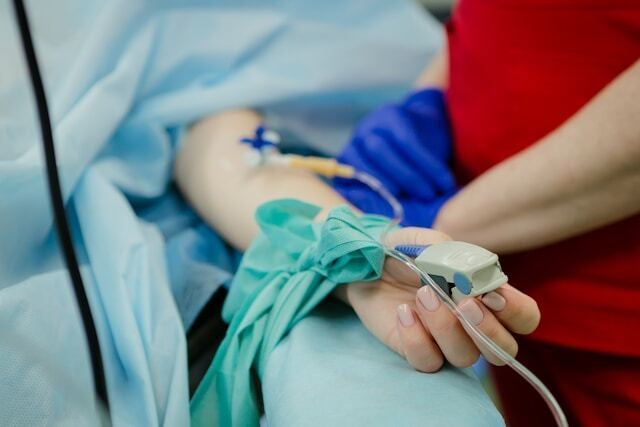
Healthcare-associated infections (HAIs) pose a significant threat to patients, often lingering in recovery and requiring additional medical interventions. Legal implications depend on various medical and legal factors. To establish liability in healthcare facilities, standards of care, prevention practices, and causation factors must be thoroughly explored. Knowing when legal action is needed empowers victims, their families, and courts in cases where negligence caused harm by healthcare personnel, resulting in avoidable harm.
Hospital-acquired infections are often caused by medical negligence or malpractice, and hospitals must adhere to strict infection control, sanitation, and sterilization standards to protect patients. If these standards are breached, patients can claim that staff failed to meet their duty of care obligations, leading to an infection that would have been avoided and directly caused by the breach.
HAIs include surgical site infections, bloodstream infections from intravenous caths and catheters, urinary tract infections caused by catheters, and pneumonia caused by ventilators. Many of these conditions can be avoided through proper protocol implementation. To mitigate risk and protect patients against infections hospitals must abide by guidelines issued by organizations like the Centers for Disease Control and Prevention or World Health Organization. Otherwise, they could become responsible for any resulting infections that arise as a result.
Documentation in such cases is crucial. Evidence such as medical records that show violations in protocols, errors by staff members, or unreported complications should provide sufficient proof. Expert testimony often helps explain what caused an infection by linking it back to hospital actions or inactions, infectious disease specialists work alongside attorneys representing these clients to demonstrate negligence directly caused the outbreak if needed, although legal burden may prove challenging without clear causes for such outbreaks.
Victims of HAIs may pursue compensation for medical expenses, lost wages, discomfort, and, in extreme cases, even wrongful deaths. HAIs can have devastating emotional and financial ramifications when resultant rehab therapy takes a prolonged or permanent course. Families that have lost loved ones to preventable infections due to hospital negligence can seek justice through civil lawsuits in this instance, especially if there has been evidence that suggests inspection failure or violation of infection control regulations by filing civil suits against hospitals repeatedly failing inspection or violating infection control regulations over time.
Hospitals and insurance providers often defend against cases of infection due to known treatment risks, reasonable precautions, or attributing blame to patients. To overcome these defenses, thorough research and a timeline proving the link between hospital actions and harm are crucial. Strategic case building, depending on malpractice damages caps, can be crucial for success in court proceedings.
Legal accountability for hospital-acquired infections (HAIs) is crucial for improving patient care and enforcing healthcare standards. Suiting institutions can compensate victims, enforce infection control policies, and invest in staff training. As HAIs become more prevalent, holding them accountable can lead to institutional change, reduce future patient risks, and rebuild faith in medicine as an industry.
Patients suffering from healthcare-associated infections deserve more than sympathy; they deserve answers, including legal recourse and accountability beyond physical recovery. Legal knowledge should be applied in hospital environments to identify negligence, and every precaution must be taken for patients receiving healthcare. If necessary, the law can serve as a powerful weapon in fighting their battle in silence.
For inquiries related to traffic accident laws or injury laws, or to hire an accident attorney, contact the legal professionals of Bautista LeRoy LLC through this number 816-221-0382 or email them at [email protected]. Serving Kansas City, MO and KS as well as surrounding areas of Benton County and St. Louis.
Summary:
Infections can be acquired from the hospital, and they pose serious risks to patients entering medical facilities. If this happens, patients may have legal rights to file a compensation claim to cover the medical costs for treatment. It is crucial for any affected person to understand their rights and also the hospital's standards of accountability in order for him/her to build a strong case.
Some of the reasons why patients can have hospital-acquired infections include:
- poor hygiene by healthcare workers
- improper sterilization of medical instruments
- inadequate cleaning and disinfection protocols
- overcrowded hospitals
- contaminated surfaces or equipment
- poor air quality/ventilation issues
- contaminated water systems
- overuse of antibiotics
- failure to follow precautions
- surgical errors
- lack of enforcement of infection-control policies
- reusing single-use equipment
- improper wound care or dressing
- compromised immune systems in vulnerable patients
- inadequate training
- staffing shortages
Hospitals are obliged legally to meet the sanitation standards and to implement the protocols for controlling infections. Patients are protected by laws to receive proper care. If safety protocols are not properly followed and negligence is proven, hospitals may be held liable. Therefore, to avoid being held legally accountable, hospital staffs must follow the established safety measures and protect the patients from hospital aquired infections.



Comments
There are no comments for this post. Be the first and Add your Comment below.
Leave a Comment