
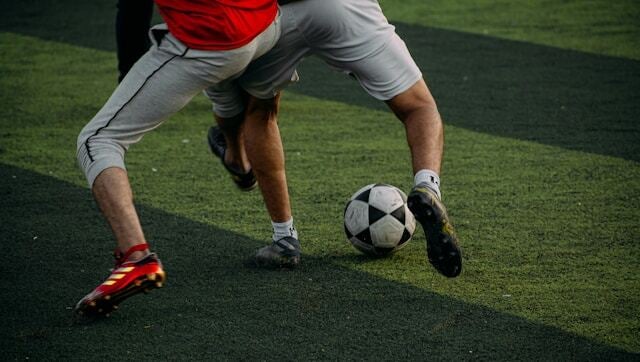
Soccer is an extremely popular international sport that encourages teamwork, discipline, and physical fitness. Unfortunately, however, soccer involves a risk of injuries from strains to sprains to concussions or fractures. To minimize such potential hazards, players must understand both legal obligations as well as ethical duties they owe themselves as players.
Under law, coaches, clubs, and schools are obligated to provide appropriate training programs, safe surfaces, and equipment for their players. Negligent coaching actions and allowing concussion symptoms to persist could constitute negligence principles and potentially lead to liability for these organizations.
Coaches and trainers have an ethical responsibility to prioritize player safety over competition, but sometimes this is overlooked due to pressure for victory. This can result in injuries being ignored or treated quickly without medical evaluation. Upholding ethical standards requires recognizing when medical evaluations are needed, encouraging rest, recovery, and injury risk education, and protecting athletes' physical well-being and career prospects.
Soccer organizations and schools must also ensure qualified medical personnel are present during matches and practices to protect themselves legally should an injury worsen due to inadequate or delayed care, so this duty also involves making emergency action plans as well as first aid training available.
Parents of young soccer players might not realize that signing waivers at enrollment does not release organizations from all liability. While waivers can limit certain claims, they do not protect against injuries caused by gross negligence and intentional misconduct. For instance, a field with exposed metal stakes or goalposts that do not meet safety requirements poses significant legal implications and should be seen as a risk.
Soccer concussion policy is also an ethical and legal issue of great significance. Recent studies have linked repetitive head injuries with chronic traumatic brain disease (CTE). As such, more stringent protocols have been put in place. For example, many leagues mandate immediate removal from play for medical clearance before returning players to competition. Organizations that fail to implement these policies risk being sued for negligence or breach of duty by players suffering permanent neurological damage due to noncompliance.
Ethical considerations extend beyond legal obligations to ensure the best interests of athletes. This includes informing athletes about injuries, encouraging them to seek medical care promptly, and implementing preventive measures like proper warm-ups and strength programs. Ignoring these protocols could lead to lawsuits, as it could serve as evidence in any lawsuits filed against coaches and organizations.
Referees also have both legal and ethical responsibilities when it comes to upholding game rules to protect players against unsafe play. Ignoring reckless tackles or failing to punish aggressive behaviors that put others in harm's way could result in injuries. You could possibly make legal allegations against the league due to negligence in not upholding safety guidelines or failing to enforce safety policies.
Soccer injury prevention goes beyond physical safety protocols and requires an integrated approach that includes legal and ethical obligations. Prioritizing both can create a safe environment for players to develop their abilities while ensuring their health and rights are protected. This approach demonstrates respect for human dignity, legal compliance, and ethical care, benefiting coaches, schools, clubs, and all participants in the game.
For inquiries related to traffic accident laws or injury laws, or to hire an accident attorney, contact the legal professionals of Bautista LeRoy LLC through this number 816-221-0382 or email them at [email protected]. Serving Kansas City, MO and KS as well as surrounding areas of Benton County and St. Louis.
Summary
Injuries can happen in most active sport, an accident can happen during both practices and games. Soccer is one of the sports that injuries usually happen. A soccer player is so vulnerable from all sorts of injuries, including strains, broken bones, sprains, or even concussions. These risks are oftentimes inevitable in this game and because of this, referees, coaches, clubs, schools, and anyone involved in organizing the event are legally responsible to keep everything safe for everyone, especially players. Before focusing on success, everybody should prioritize the safety first. While encouraging players to warm up, build strength, and have enough time to recover after an injury, they should also be taught how to avoid common injuries by providing proper trainings, safe equipment, and safe playing areas.
For a safer play, players organizers alike need to:
- warm up before playing (prepare your muscles and joints)
- use proper equipment and protective gear
- before playing, check the field for holes, wet spots, or other hazards
- follow the rules and avoid reckless behavior
- follow instructions from the coach and the referees
- when tired or physically exhausted, take a break
- if you have possible concussion symptoms, leave the game immediately
- get medical attention (even if the injury is not so serious)



Comments
There are no comments for this post. Be the first and Add your Comment below.
Leave a Comment