
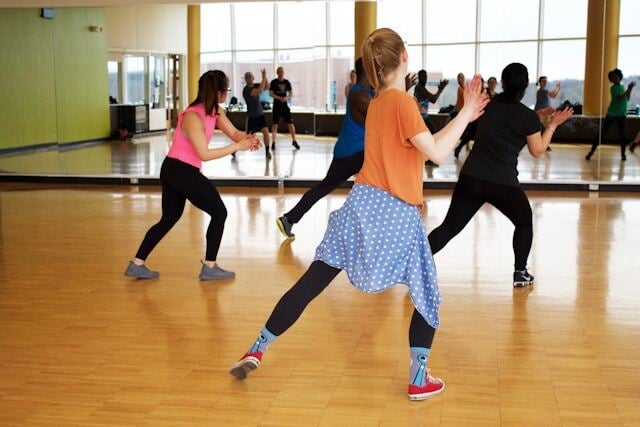
Millions of people around the world take pleasure in dance. Dancing offers numerous health benefits and brings communities closer together, but like any physical activity, it also poses the risk of injury; some caused by dance teachers' negligence leading to lawsuits being filed against them. This article will look into these lawsuits filed against dance instructors. We'll focus on their circumstances of filing claims, what injuries typically occur as well as ways dancers can defend themselves.
As with any professional service provider, dance instructors owe a legal obligation to ensure the safety of their students by giving proper instruction, providing an environment free from potential hazards, and addressing potential injuries that might occur as a result of dance instruction. The amount of care necessary depends on factors like the type and level of dance being taught to their students as well as their skill level and facility usage.
Instructors should employ proper techniques in order to prevent injuries. Negligence includes not providing warm-up exercises or allowing students to perform potentially hazardous movements without guidance. They should also maintain a safe dance floor by checking for hazards like wet spots, uneven surfaces, or obstacles that might cause slips.
Dance Injuries and Their Impact
While dancing can be exciting and physically taxing, injuries from dancing may range in severity from minor sprains and strains to broken bones, torn tendons, or head trauma. Dance injuries tend to depend on what style of dance is being taught: ballet requires precision in its balance moves that may lead to ankle or foot injuries while hip hop relies heavily on high-impact moves which may cause knee or back trauma. Instructors play an integral part in protecting their students.
Most frequent dance injuries include:
-
Sprains & Strains
These injuries often result from improper technique or overstretching, while fractures often arise when dancers land incorrectly (particularly ballet dancers). -
Joint Dislocations
Dance forms that utilize fast-paced, high-impact movements can result in joint dislocations in shoulders, knees, and hips, which could cause shoulder dislocations as a result. -
Concussions
Dancers who engage in contact dances or those that involve rapid spinning may suffer head injuries that result in concussions. -
Stress Fractures and Tendonitis
Overuse injuries like tendonitis or stress fractures in the legs and feet may result from repetitive movements without adequate rest periods.
Dance instructors must follow best practices when teaching, safety training, and managing risks associated with dance instruction.
Dance Instructors and Lawsuits
A dancer injured through the negligence or improper practices of their instructor may bring a claim for personal injury against them, with claims usually being brought on various grounds such as these:
-
Negligence
A dance teacher could face legal action if they do not take appropriate care when teaching dance techniques and maintaining a safe environment for their students. For instance, encouraging difficult moves without properly warming up beforehand or failing to monitor student technique could constitute negligence. -
Failing to Warn Students of Risks
Teachers should inform their students about any associated dangers when teaching certain dance moves or routines. Failing to provide such warnings could expose teachers and schools to liability claims. -
Inadequate supervision
Instructors must supervise group classes to ensure students are performing movements properly. Without adequate oversight, injuries could arise during advanced routines. -
Poorly Maintained Equipment or Facilities
If a dancer is injured due to equipment or facilities that were inadequately maintained, either by their instructor or the facility themselves, then both may be held liable if safety precautions weren't implemented to make them safe.
Injury Lawsuits: How to Defend Yourself
Dance instructors can protect themselves from potential lawsuits by taking several steps. Liability insurance should cover potential injuries sustained during classes for studios and instructors alike, while having students sign waivers acknowledging the inherent risks of dance may also provide some degree of protection; although these don't absolve dance instructors of responsibility when gross negligence is involved.
Maintaining detailed records of safety protocols, teaching techniques, certifications, or training received is another vital part of protecting instructors against negligent claims. Demonstrating they followed professional standards helps show they were acting in good faith when teaching classes is key in showing that any claims of negligence cannot succeed.
While not common, dance instructor injury lawsuits can have severe financial and legal repercussions. Instructors should maintain high levels of care to mitigate their risk of being sued; teaching correct techniques in an environment that is safe. Students need to know their rights if an accident does happen. Adhering to industry standards can reduce injuries as can taking proactive measures that protect both them and instructors.
For inquiries related to traffic accident laws or injury laws, or to hire an accident attorney, contact the legal professionals of Bautista LeRoy LLC through this number 816-221-0382 or email them at [email protected]. Serving Kansas City, MO and KS as well as surrounding areas of Benton County and St. Louis.



Comments
There are no comments for this post. Be the first and Add your Comment below.
Leave a Comment