
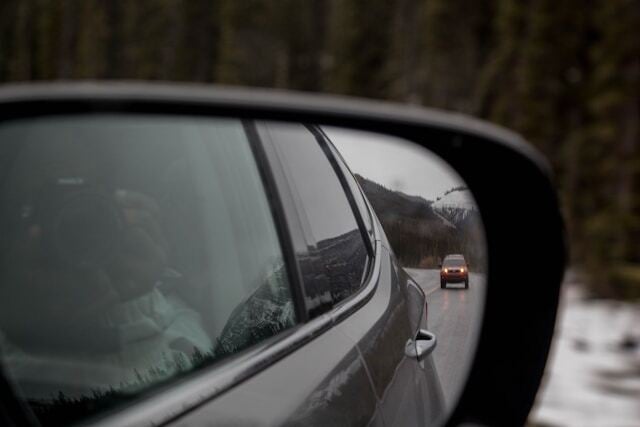
Road rage is a dangerous behavior that can lead to serious accidents or fatalities. It involves aggressive driving actions like tailgating and sudden lane changes, resulting in civil and criminal liability. Police agencies play a crucial role in upholding accountability for injury claims under personal injury laws, as evidence gatherers.
Law enforcement arrives at road rage accidents first, securing the scene and conducting an investigation to prevent further escalation. They gather physical evidence, interview witnesses, and photograph vehicles before assessing driving behaviors or conditions that may have contributed to the accident. This data serves as essential proof that aggressive driving could have caused the accident.
Law enforcement officers are trained not only to respond immediately to road rage incidents but also to recognize signs of aggression, emotional volatility, or impaired judgment that often accompany them. Police reports document these observations so they may be used against parties involved; any details recorded, such as verbal threats or irregular driving, can help injured parties demonstrate that accidents weren't accidental but were the result of hostile or irresponsible intent from responsible parties and increase civil liabilities significantly.
Criminal charges may result from findings of law enforcement investigations. Road rage incidents where vehicles were being used as weapons - for instance by deliberately ramming another car off the road - may bring charges like assault with a dangerous weapon and reckless endangerment, though separate from civil lawsuits. Their outcome however, will have an important impact on successful personal injury claims as conviction or guilty plea can prove that someone was at fault and facilitate compensation processes faster.
Road-rage cases necessitating personal injuries require victims to demonstrate that an aggressive act by their defendant contributed to their injuries. Law enforcement reports offer third-party objective testimony in support of this linkage. Insurance providers also rely on police documentation when reviewing claims and assigning liability; when these documents show intentional or negligent behaviors from drivers, such as brake checking or tailgating another car by law enforcement agents, such as settlement of these claims will more often go in favor of victims than against defendants.
Law enforcement agencies also play a vital role in road safety by identifying patterns of road rage, issuing public warnings for safety purposes and increasing patrols around high-risk zones - acting as deterrents against aggressive driving behavior and acting as deterrents against aggressive behavior from drivers. Furthermore, traffic laws that regulate following distances, speeding limits, and improper lane usage indirectly address the root causes behind road rage incidents to make our roadways safer overall.
Law enforcement's involvement in road rage accidents is more than procedural; they support justice and accountability by aiding legal proceedings from the accident scene to the litigation phase and helping injured individuals navigate injury law more easily. Prompt documentation by law enforcement could mean the difference between your claim being rejected and receiving compensation for your injuries sustained at an accident site.
Effective legal actions against road rage incidents rely on swift actions taken quickly by law enforcement professionals, from investigations conducted thoroughly to their timely reports containing accurate reports, in addition to factual evidence, which often comes from swift response times by these professionals.
For inquiries related to traffic accident laws or injury laws, or to hire an accident attorney, contact the legal professionals of Bautista LeRoy LLC through this number 816-221-0382 or email them at [email protected]. Serving Kansas City, MO and KS as well as surrounding areas of Benton County and St. Louis.


Comments
There are no comments for this post. Be the first and Add your Comment below.
Leave a Comment