
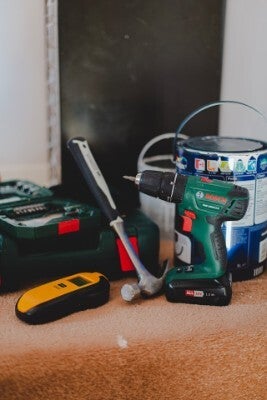
Labels and warnings are crucial in power tool injury litigation, influencing legal strategies and case outcomes. Manufacturers have a responsibility to ensure product safety and warn about potential dangers due to their inherent hazards. Clear warning labels must be present to inform users about potential dangers, best usage methods, and precautionary steps to avoid accidents caused by power tool injury litigation. This ensures the safety of users and prevents accidents.
Lawsuits that involve power tools often turn on whether there were adequate warnings. Plaintiffs typically bring failure-to-warn claims under product liability laws against manufacturers for not offering sufficient warnings and instructions to prevent predictable injuries from happening, with such claims having direct causal links between inadequate warnings and their injuries, and an appropriate warning would have altered that behavior and their injuries.
Warnings should be easily visible and understood by users, using language, symbols, and pictograms to communicate risks, especially considering varying consumer literacy levels and manufacturers' technical knowledge. Labels that fail to warn of specific dangers, like lacerations risk when blade kickback occurs, could expose manufacturers to litigation. A generic warning without specifying risks may not suffice.
Warnings should address not only obvious hazards but also those users may not recognize at first. There are various risks with power tools that might not immediately become visible such as electrical hazards, malfunctions of internal components, and safety lock failures that users might not realize right away. Labeling should provide maintenance instructions, safety gear required, and precautions regarding assembly use storage if these details are missing from labeling. Failing this, plaintiffs could allege failure of warning from manufacturers.
Defense strategies in litigation often focus on showing conformity with industry and regulatory standards regarding warnings and labels, including OSHA or ANSI requirements for warning labels on products. Manufacturers can make claims that their warning labels comply with OSHA or other safety regulations relating to OSHA/ANSI certification, however, compliance does not protect manufacturers when warnings do not adequately cover all risks involved with products they produce or distribute.
Court cases often become contentious over whether warnings have any effectiveness in preventing injuries. Defense attorneys might maintain that plaintiffs failed to heed or read warnings and contributed to their injuries, while plaintiffs might claim warnings are either in the wrong location or are unreadable or technical language-based. Expert testimony often plays an essential part in establishing whether warnings meet specific clarity, placement and adequacy standards.
Warnings and labels play an integral part in both power tool safety and injury litigation. Not only can they guide consumers towards safe usage, but they can also be crucial components in establishing legal liability when accidents do happen. Product liability lawyers must thoroughly research warnings used as legal arguments during product liability litigation cases to formulate strong arguments in court cases and emphasize user safety as a fundamental principle when designing new tools or selling existing ones to distributors and end-users alike.
For inquiries related to traffic accident laws or injury laws, or to hire an accident attorney, contact the legal professionals of Bautista LeRoy LLC through this number 816-221-0382 or email them at [email protected]. Serving Kansas City, MO and KS as well as surrounding areas of Benton County and St. Louis.



Comments
There are no comments for this post. Be the first and Add your Comment below.
Leave a Comment