
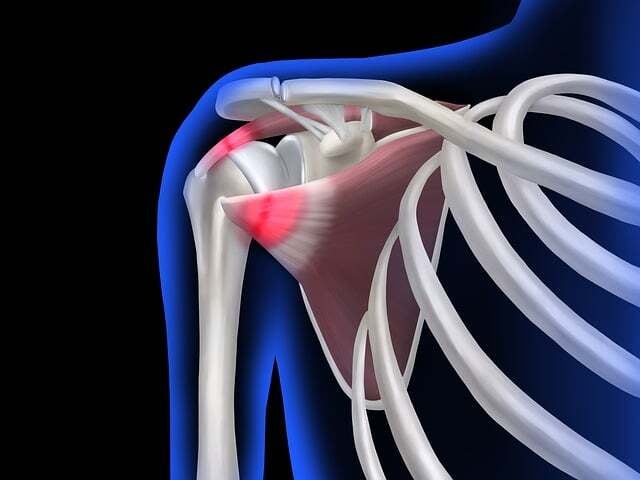
Shoulder injuries can occur in various settings, including workplaces, sports, and everyday life. Understanding their types, causes, and legal implications is crucial for injury prevention, medical treatment, and informed personal injury claims. The shoulder joint, made up of bones, ligaments, and muscles, is vulnerable to damage due to excessive strain, forceful impacts, or repetitive usage.
Shoulder injuries can be classified into acute and chronic types. Acute injuries, such as dislocations of the upper arm bone, often result from sudden trauma or impact, such as car accidents, falls, or athlete collisions. Chronic injuries, such as ligament sprains or tears, occur due to sudden shoulder movements, such as in volleyball, basketball, and rugby games, where sudden shoulder movements are necessary.
Chronic shoulder injuries can be caused by repetitive stressors, poor ergonomics, or minor injuries left untreated. Rotator Cuff Injuries, which affect muscles or tendon stabilizers, often occur during repetitive overhead movements. Tendonitis, caused by repetitive strain or use, can result in inflammation within the tendon, leading to pain and weakness, compromising daily functionality unless treated.
Bursitis, another chronic condition, results from inflammation in the bursae (fluid-filled sacs that reduce friction between joints). Bursitis may result from minor traumas or pressure exerted during heavy lifting as well as repetitive occupational tasks, leading to pain, tenderness, and swelling. Less commonly frozen shoulder or adhesive capsulitis manifests itself with progressive stiffness that limits the range of movement and ultimately stiffening up altogether.
Understanding the causes of shoulder injuries is crucial for creating a safe work and sports environment. Poor warm-ups, sudden increases in intensity, poor posture, and inadequate warm-ups contribute to shoulder discomfort. Employers, coaches, and organizations have legal obligations to implement safety measures like ergonomic training programs and injury prevention measures.
Shoulder injuries caused by negligence can form the basis for legal compensation claims in injury law. Such injuries often stem from unsafe manual handling practices or inadequate safety protocols in the workplace. Employers could potentially face occupational safety regulations liability claims while coaches, sports clubs, and institutions could potentially bear responsibility. Car accident victims suffering fractured shoulders often file compensation claims to cover medical bills, lost income, and pain and discomfort suffered as a result.
To successfully claim compensation, you will require detailed medical documentation describing the nature, severity, and cause of your injury. Ideally, you should get a medical evaluation as soon as possible so you can link injury with its source accurately, thus increasing the validity of claims and protecting you against complications, extended recovery periods, or permanent impairment. Furthermore, delays could impact legal claims due to questions regarding severity or cause.
Physiotherapy is crucial for shoulder injury recovery, focusing on rebuilding strength, flexibility, and joint stability. If necessary, surgical interventions may require extensive rehabilitation, compromising quality of life and earning capacity. Injury law allows victims to receive compensation for medical costs, future treatments, decreased work capacity, and emotional distress resulting from their injuries.
Understanding shoulder injuries is crucial for preventing, managing, and safeguarding legal rights. Recognizing acute and chronic injuries and developing prevention strategies can help protect legal rights. Employers, coaches, and property managers must honor safety obligations to support injury prevention initiatives, minimize legal liabilities, and create safer working environments.
For inquiries related to traffic accident laws or injury laws, or to hire an accident attorney, contact the legal professionals of Bautista LeRoy LLC through this number 816-221-0382 or email them at [email protected]. Serving Kansas City, MO and KS as well as surrounding areas of Benton County and St. Louis.



Comments
There are no comments for this post. Be the first and Add your Comment below.
Leave a Comment