
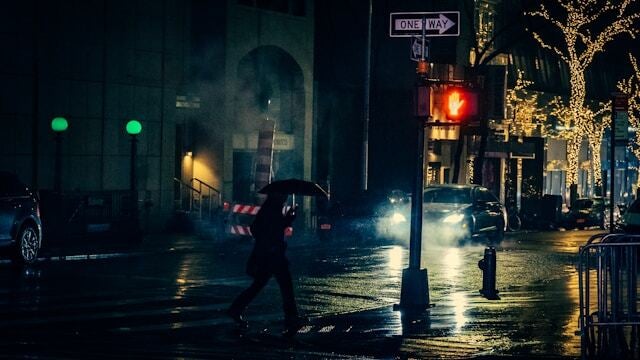
Urbanization and increased traffic congestion have led to a rise in pedestrian accidents, prompting further investigations into causes and legal frameworks to mitigate or prevent incidents. Understanding the causes of these accidents, including driver roles, infrastructure features, and strategies for protecting pedestrians, is crucial for developing effective protection plans that safeguard life on foot.
Driver distraction is one of the primary factors contributing to pedestrian accidents. Smartphone-dominated digital cultures make drivers more susceptible to being diverted off course by text messages, phone calls, or app notifications, which may result in catastrophic results when pedestrians navigate low visibility areas or intersections. Distracted driving reduces reaction times resulting in missed traffic signals and failure to yield to pedestrians at crosswalks; it also increases risks by hitting people walking within designated walking areas.
Speeding can also pose significant risks. Urban areas often feature roads with mixed vehicle, cyclist, and pedestrian traffic. Excessive speeds impede a driver's ability to respond rapidly when an unexpected pedestrian enters a roadway suddenly; studies show higher vehicle speeds are linked with more pedestrian injuries; many cities have reduced speed limits in areas with high foot traffic but enforcement often does not comply with these restrictions; drivers often breach them unknowingly.
Accidents involving pedestrians often stem from inadequate infrastructure. Lack of lighting and pedestrian signals, as well as unmarked crosswalks, make navigating urban environments hazardous for them, often leading them to jaywalk despite all attempts at safe walking paths being available, or having long waits at traffic signals, which raise their risk of collision with cars. Furthermore, an urban design that prioritizes cars over people often neglects to provide sufficient room to ensure safe foot traffic flow; a particularly significant issue in low-income communities, where foot infrastructure remains underfunded.
Legal mechanisms protect pedestrians' rights and hold negligent parties accountable, including driver requirements to yield at crosswalks. Injured pedestrians can seek compensation for medical bills, lost wages, and pain caused by negligence, proving they violated their duty of care. Liability for pedestrian accidents can be challenging to determine, especially when pedestrians act unexpectedly, cross against traffic signals, or enter roads while impaired. Comparative negligence laws vary across jurisdictions, so exact responsibility assignment requires thorough investigations using eyewitness testimonies, surveillance footage, and accident reconstruction techniques.
Cities and legislators should implement a comprehensive strategy to reduce pedestrian accidents. This includes strengthening distracted-driving laws, installing traffic calming devices, and smart traffic signals. Public education campaigns and wide walkways with pedestrian zones can also benefit drivers. Incorporating pedestrian safety into urban design through wider pathways, pedestrian zones, and improved signage can create an environment that encourages and protects walking.
The rise in pedestrian accidents is a result of systemic issues in urban transportation, driving behavior, and law enforcement. To effectively tackle this problem, coordinated efforts between policymakers, law enforcement officials, urban planners, legal professionals, and community members are needed to identify accident causes and implement preventative and legal solutions.
For inquiries related to traffic accident laws or injury laws, or to hire an accident attorney, contact the legal professionals of Bautista LeRoy LLC through this number 816-221-0382 or email them at [email protected]. Serving Kansas City, MO and KS as well as surrounding areas of Benton County and St. Louis.
Summary
Pedestrian accidents are a big problem, especially in most busy urban areas. Urban areas that are so busy have so many things that may distract drivers and cause accidents, such as loud noises, crowded sidewalks, and busy traffic. This is why cities and legal systems are doing their best to look for solutions to reduce accidents and maintain safety. Therefore, it is important for pedestrians to get reasonably educated in order to be safe because when someone walking gets hit by a scooter, a car, a bike, or even a public transportation, it can be very serious.
Urban traffic can be unpredictable, that's why understanding pedestrian rights and local traffic regulations is very important for both drivers and pedestrians. Public awareness campaigns are very important for reducing injuries because they encourage drivers to drive carefully or the pedestrians to walk safely. Also, teaching people about the pedestrian and traffic laws will help them protect their rights and stay safe in the city environments. Pedestrians may also share fault if they commit jaywalking, walk while distracted by their phones, or ignore traffic signals.
Some of the reasons for pedestrian accidents include:
- broken sidewalks
- limited visibility
- running red lights/stop signs
- distracted driving
- poor street lighting
- unsafe road signs
- speeding
- failure to yield at crosswalks
- driving under the influence
- missing traffic signs


Comments
There are no comments for this post. Be the first and Add your Comment below.
Leave a Comment