
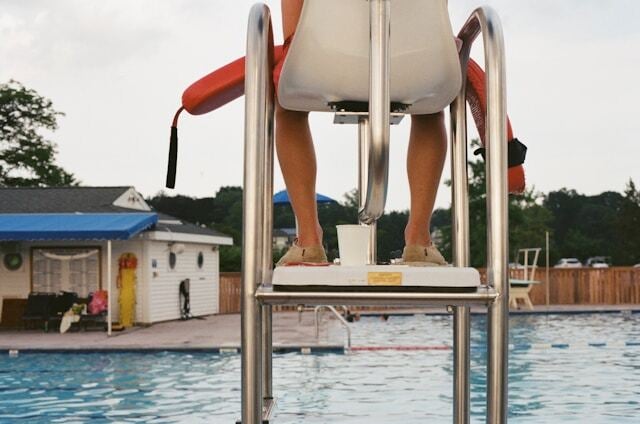
Public pools are ideal for relaxation, exercise, and social engagement during summer. However, they can become dangerous if safety protocols aren't followed or municipal oversight is inadequate. Victims may have legal recourse if negligence, such as unsafe conditions, contributed to their injuries. Understanding public duty of care laws and legal frameworks holds municipalities accountable and is crucial for accurate liability determination.
Local governments operating public pools are obligated to hire professional lifeguards with proper training to ensure safety. They must monitor swimmers, maintain equipment, and ensure water clarity, chemical balance, and signage. Any breach could lead to slips, drownings, and chemical burns, raising concerns about negligence.
Lifeguard negligence is the leading cause of injuries at municipal pools. Lifeguards have been trained to recognize, prevent, and respond quickly in emergencies. When one fails due to distraction, understaffing, or inadequate training, consequences may be immediate and tragic; courts could hold municipalities liable if it can show that qualified personnel weren't hired or protocols weren't followed appropriately. Not acting when aware of a dangerous situation such as an emergency can also constitute negligence in courts' eyes.
Pool conditions are crucial in court cases, and cities should conduct regular inspections to detect and eliminate hazards like broken tiles, damaged ladders, and slippery surfaces. Municipalities failing to fulfill their responsibilities may face lawsuits from injured parties who claim they knew about risks but failed to address them within an acceptable period. They must demonstrate they recognized any dangerous situation but failed to address it.
Suing the city or another governmental entity may yield financial recovery. However, doing so can be challenging and time-consuming. Sovereign immunity laws typically protect municipalities against lawsuits brought under certain categories but some jurisdictions provide exceptions (particularly where gross negligence or failure to meet specific statutory duties is involved). Victims typically must file claims within 30 to 90 days following injury for consideration. Otherwise, your claim could be rejected and legal proceedings begun against them could begin against them directly.
Proof of causation can also present challenges. When an injured child slips and falls on a wet floor, the city might allege it was his/her behavior, such as running near the pool area that caused this accident. Per comparative negligence principles liability can be reduced or eliminated depending on how an injured party behaved; to successfully combat such defenses legal strategies must anticipate them in advance, providing solid proof that the city is indeed accountable.
At their core, these lawsuits represent more than mere financial compensation: by holding municipalities responsible for unsafe public buildings and encouraging more stringent safety inspections as well as better standards of training, victims seek justice not just to cover medical bills and emotional pain but to also help stop future incidents from taking place.
Municipal negligence can result in legal compensation for injuries caused by lifeguards' failure to maintain proper public pool surveillance. Victims have the right to compensation and accountability. Successful compensation cases require victims to understand the law's complexities, deadlines, and time constraints while building strong arguments within an organized court case strategy.
For inquiries related to traffic accident laws or injury laws, or to hire an accident attorney, contact the legal professionals of Bautista LeRoy LLC through this number 816-221-0382 or email them at [email protected]. Serving Kansas City, MO and KS as well as surrounding areas of Benton County and St. Louis.
Summary:
Lifeguards of public pools have the legal responsibility to keep the users safe, whether children or adults. Recreational spaces like public pool are perfect for families having celebrations or events. With this, risks are sometimes unavoidable. Therefore, lifeguards must perform their duties properly and must address dangerous conditions immediately to maintain safety for users or guests. When lifeguards fail to perform their duties, accidents may happen and serious injuries or even fatalities can occur.
Some of the safety responsibilities of a lifeguard in a public swimming pool include:
- active surveillance
- rescue readiness
- first aid and CPR
- supervising high-risk areas
- maintaining clear visibility
- crowd control
- communication
- equipment checks
- reporting hazards
- monitoring weather conditions
- protecting vulnerable swimmers
- documentation
When misfortunes happen, victims may have several legal options available. Some of these options include:
- personal injury claim
- negligence lawsuit
- government liability claim
- failure to supervise claim
- premises liability claim
- product liability claim
- wrongful death claim
- medical expense recovery
- pain and suffering damages
- inadequate training or staffing claim
- settlement negotiations
- civil lawsuit in court
- lost income claim
- insurance claim
Victims must show that the lifeguard owed a duty of care, breached that duty, and caused measurable harm in order to succeed. When lifeguards or even the management fails to correct or provide warning about known hazards, victims have the right to file for compensation.



Comments
There are no comments for this post. Be the first and Add your Comment below.
Leave a Comment