
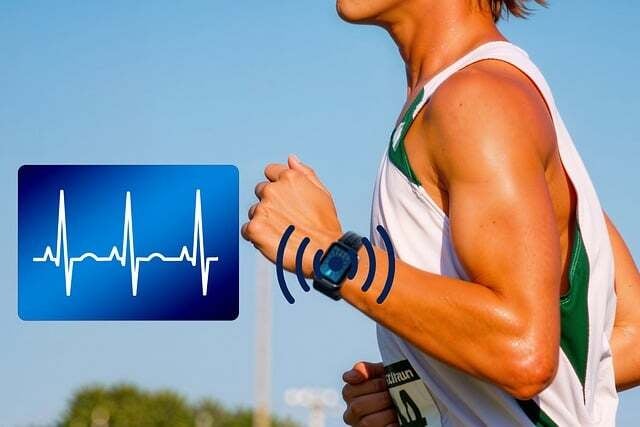
Wearable health devices, such as smartwatches and fitness trackers, are increasingly influencing medical decisions and wellness. These devices provide real-time health status insights, but the rapid technological advancements have weakened our legal framework. This lack of clarity in regulatory matters leaves gaps in product safety, liability, and negligence, causing concern for consumers and legal practitioners in accident and injury law cases.
Providing misleading data about health concerns can lead to injury and inefficiency in healthcare services. For example, a fitness band reporting incorrect heart rates during cardiac episodes could delay emergency response time or cause unnecessary stress or medical intervention. The responsibility for device malfunction lies with the manufacturer, software developer, or healthcare provider.
Wearable health devices, often designed for fitness and wellness, can bypass regulatory agencies like the FDA by marketing fitness-centric devices, avoiding liability. However, users increasingly rely on these devices for monitoring health decisions. Legal standards for filing claims can be confusing due to regulatory gaps and various laws. Victims also struggle to determine the legal grounds for filing claims, either due to the FDA or lack thereof. Both avenues allow companies and regulatory gaps to evade liability claims.
Software algorithms that drive wearable health devices' functionality further complicate matters, as these proprietary and protected by trade secrets algorithms cannot be subjected to third-party verification for impartial verification purposes. When these algorithms malfunction and miss abnormal heart rhythms or miscalculate sleep data, there's no easy way for plaintiffs to determine fault, such as missing abnormalities and miscalculating sleep data. There may also be limited access to technical proof and no clear standards that define negligence or design flaws that plaintiffs could encounter during court cases.
User agreements that accompany wearable devices frequently contain arbitration clauses and disclaimers that limit consumers' legal options, often forcing users to waive the right to sue or join class action lawsuits. In such instances, disputes could instead be settled through private arbitrations where corporations could profit. This contractual shield can make it hard for injured individuals seeking justice to get compensation, particularly when their injuries can't be directly tied back to one malfunction of the wearable device in question.
Legal experts and consumer groups continue their calls for reform despite obstacles. Some advocate for changing current law to reclassify some wearable devices into medical devices when they meet specific health monitoring thresholds, others call for stronger oversight of any software used within these products that might have life or death implications. Court systems could increasingly turn to case law interpretation of liability until such reforms have taken place.
The legal issues surrounding wearable health devices are complex, with consumer protection lacking due to technological advancements. To address device malfunction risks and ensure manufacturers are held accountable, proactive reforms and increased industry transparency are needed. This will help restore the balance between innovation and safety in the rapidly growing personal healthcare technology sector.
For inquiries related to traffic accident laws or injury laws, or to hire an accident attorney, contact the legal professionals of Bautista LeRoy LLC through this number 816-221-0382 or email them at [email protected]. Serving Kansas City, MO and KS as well as surrounding areas of Benton County and St. Louis.
Summary
Wearable health devices have transformed personal healthcare into many possibilities no one has imagined. Some examples of wearable health devices are fitness trackers, medical monitoring wearables, and smartwatches. It functions by alerting users to potential health risks. When these technologies fail, however, they come with serious consequences and liability issues that are very complex.
Some of the advantages of wearable health devices include:
- real-time health monitoring
- preventive healthcare support
- early detection of health issues
- improved fitness and wellness tracking
- increased patient engagement
- remote health monitoring
- data-driven insights
- convenience and accessibility
- support for research and public health
- chronic condition management
Liability for wearable health device failure falls under product liability law. If the device is inherently unsafe, manufacturers may be held responsible for design defects. When an error occurred during production, they can be held responsible for manufacturing defects. And if risks, limitations, or proper usage were not adequately disclosed, they will be held liable for failure to warn. Other failures that can potentially lead to the delay of medical treatment or worsen the injuries include:
- missed alerts on critical conditions
- faulty sensors
- inaccurate heart rate readings
In addition, software and algorithmic failures also present additional challenges. This is because many health wearable devices rely on updates, data interpretation, and artificial intelligence. Therefore, data accuracy claims can also arise.



Comments
There are no comments for this post. Be the first and Add your Comment below.
Leave a Comment