
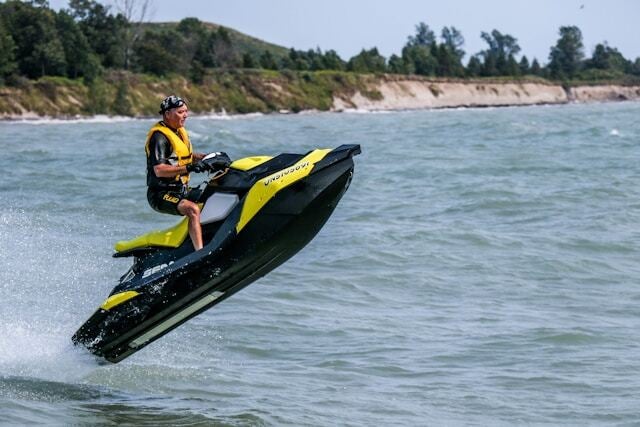
Rental equipment can be utilized by tourists for numerous activities, from bicycles and jetskis to boats or hiking gear. While these activities can be thrilling and thrilling, the risk of serious injury from defective rental equipment must also be carefully considered when accidents arise due to this. In these instances, it often proves challenging to determine who exactly was at fault; both tour operators and manufacturers could bear some blame depending on circumstances surrounding an injury claim.
Manufacturers typically bear responsibility for the design, production, and quality control of equipment. When this goes awry and leads to injury due to noncompliance or malfunction of rental equipment they could be held liable. Defects could arise during any step in the production process from defective materials through incorrect assembly to insufficient testing. For instance, if the bicycle brake system provided on a tour participant fails and they experience crashes then the manufacturer could be held liable.
Tour operators are crucial in ensuring the safety of their equipment, inspecting it before use, and ensuring its good condition. They can be held liable for injuries sustained by tourists if they provide defective or subpar equipment without proper safety checks. If operators continue renting such items without making necessary changes, they could face legal consequences and liability claims.
Liability issues become complex when tour operators do not understand about an equipment defect before it causes it to malfunction on tour, yet are unaware of it before leaving home for their trip. When this is the case, manufacturer liability should take priority, but if they were aware beforehand or had received prior complaints and failed to take corrective actions then liability can fall on them as well.
Comparative negligence is a legal principle where manufacturers and tour operators share responsibility in cases where defective equipment causes an accident and inspection is ignored. This allows for compensation claims against both parties, allowing injured tourists to seek reimbursement based on their respective share of fault.
Legal claims for defective rental equipment often involve product liability and negligence issues. Tourists injured by such equipment must prove the design, manufacturing, or maintenance caused their injuries using evidence like maintenance logs, inspection records, or expert testimony. They may seek compensation for medical costs, pain, suffering, and lost wages against negligent rental operators.
Rental contracts or waivers signed on behalf of tourists can reduce tour operator liability. Their language often relieves tour operators' responsibility in cases involving accidents or injuries sustained as a result of something they knew about but failed to fix, while it might also not cover cases when defects weren't disclosed by tour operators in advance to tourists.
Liability for injuries caused by defective rental gear is complex and depends on factors like manufacturer and tour operator roles. Tour operators must ensure equipment safety, while manufacturers are responsible for producing high-quality, safe products. When both parties share liability, injured tourists can seek legal action against both parties. Understanding these nuances helps navigate legal complexities.
For inquiries related to traffic accident laws or injury laws, or to hire an accident attorney, contact the legal professionals of Bautista LeRoy LLC through this number 816-221-0382 or email them at [email protected]. Serving Kansas City, MO and KS as well as surrounding areas of Benton County and St. Louis.



Comments
There are no comments for this post. Be the first and Add your Comment below.
Leave a Comment