
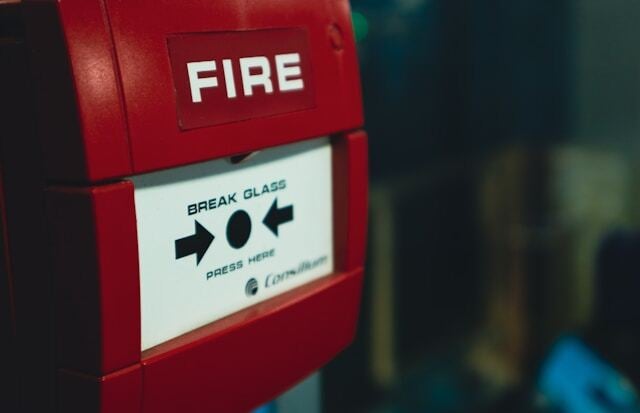
Public events aim to engage and unite communities, with event organizers and venue owners responsible for ensuring a safe experience for attendees. However, if something goes wrong, such as smoke inhalation, serious health consequences may occur, leading to respiratory difficulties or lung damage. Liability determination is crucial, involving reviewing each party's duty of care, negligence obligations, and legal responsibilities before determining who bears legal liability in such cases.
Liability lies with event organizers and venue owners based on a legal duty of care to protect everyone attending an event or venue, from crowd control measures through emergency exits to adequate ventilation systems and ventilation rates. When fire breaks or special effects cause excessive smoke production whether intentional or otherwise, liability lies with them as proven failure in adhering to reasonable safety standards could hold responsible parties liable.
Negligence is key in evaluating these cases. Failing to have functioning smoke detectors, fire extinguishers, or evacuation plans in place constitutes a breach of basic safety protocols. Event organizers who use fog machines or pyrotechnics without proper risk evaluation or permission could also be held liable. Finally, injury claims could succeed when injuries were sustained as the result of being exposed to smoke which could have been avoided with carefulness causing exposures resulting in harm being done instead.
Venue owners in the U.S. may be held liable for premises liability under U.S. laws, which require property owners to ensure a safe environment for visitors. If smoke is inhaled due to structural issues like poor wiring or ventilation, they may face legal consequences. Repair and warning requirements are required for all hazards within their domain. Legal action may follow depending on the severity of the smoke inhalation and the involvement of those held liable under these statutes.
Liability may often fall on multiple parties involved. When equipment used to install stage lighting, pyrotechnics, or other effects malfunctions and causes a fire, for instance, contractors could be held liable. Food vendors who utilize cooking equipment that produces unsafe smoke levels could be held liable if their setup contributed to poor air quality or contributed directly to an incident. These cases require extensive investigations in order to establish who each party involved is as well as their contribution toward an incident.
Smoke inhalation victims at public events could be eligible for compensation that includes medical bills, pain and suffering claims, lost wages, and other damages. Damages may increase significantly when hospitalization or long-term respiratory illness are involved; it's vitally important that there be a direct correlation between exposure and injury. All factors available could help support an injury claim including medical records, eyewitness testimony video footage, and expert witness statements. Seeking medical care will aid recovery while simultaneously creating evidence linking an event to injury claims.
Smoke inhalation claims can be complex due to the various parties involved and the difficulty in proving causation. Victims should seek legal representation from a personal injury attorney with event and premises liability experience to assess and gather evidence for fair compensation from negligent organizers, venue proprietors, and third-party suppliers. Victims should understand their legal rights and explore them thoroughly. Legal accountability may arise when organizers or venue owners fail to prioritize safety, and laws can restore justice in trust breaches.
For inquiries related to traffic accident laws or injury laws, or to hire an accident attorney, contact the legal professionals of Bautista LeRoy LLC through this number 816-221-0382 or email them at [email protected]. Serving Kansas City, MO and KS as well as surrounding areas of Benton County and St. Louis.
Summary
When smoke inhalation injuries happen at public events, figuring out who's responsible is sometimes very difficult. Usually, it comes down to who is in charge of safety. Festivals, fairs, or concerts often involve multiple parties, including venue owners, event organizers, vendors, and sometimes even contractors. And when smoke exposure happens because of faulty equipment, poor ventilation, or a fire hazard that wasn't handled properly, one of these parties could be held responsible.
The event organizers could be at fault if:
- ignored safety rules
- failed to manage fire risks properly
On the other hand, venue owners may be responsible if there were:
- unsafe building conditions
- blocked exits
- poor ventilation systems
Vendors or contractors may be responsible if their equipment caused excessive smoke or they handled fire or heat sources improperly. Meanwhile, in order to show negligence, victims must prove that someone failed to take reasonable actions to keep people safe. Victims may have the right to claim compensation for:
- medical expenses
- lost income
- pain and suffering
Local laws can affect how these cases play out. Sometimes, responsibility is shared between multiple parties. And at the end of the day, victims of smoke inhalation injury at public event have the right to ask questions, seek help, and potentially take legal action.

Comments
There are no comments for this post. Be the first and Add your Comment below.
Leave a Comment