
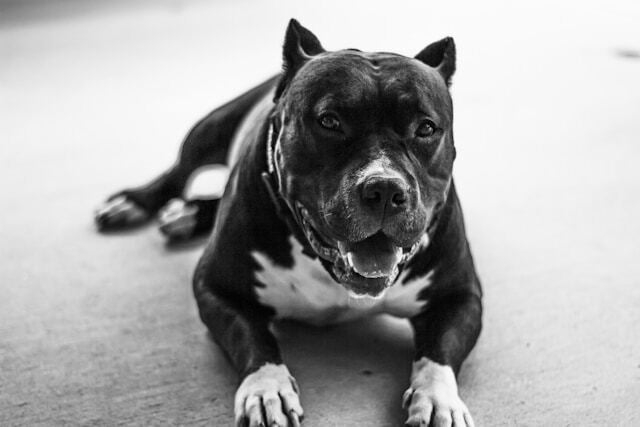
Pitbull bites can result in physical and psychological trauma that requires extensive medical treatment, time off work, and long-term recovery. Victims must know their rights and options if they have been attacked by pitbulls. State laws regarding dog bites vary, yet victims usually have legal recourse when seeking damages due to an attack from one. This guide will outline your rights as a victim after experiencing a pitbull bite injury and how you should proceed afterward.
At all times, your health and safety must always come first. Even if it seems minor, after being bitten by a dog, it is important to seek medical treatment and get advice immediately; bites from dogs may result in infections, nerve damage, and permanent scarring if left untreated. A proper medical record is also vital when making any legal claims, so make sure you document every aspect, including location details, descriptions of the offending animal, owner information, as well as witness accounts and documentation from witnesses regarding any legal claims being made against them by legal authorities.
Most states hold dog owners legally accountable for the actions of their pets. Some states apply what's known as "strict liability", meaning any injuries caused by bites, regardless of previous aggression, are covered under the strict liability rule. Other states may require proof that owners knew or should have known about dangerousness; this standard is often known as the "one bite rule". Understanding state laws is vital when establishing how strong your case may be.
Insurance policies and legislation usually exclude pitbulls. Although not all pitbulls can be aggressive, their strength makes them more dangerous. Local ordinances may place additional obligations or restrictions upon owners whose dog bites someone classified as a Pitbull. This could include mandatory muzzling or fencing requirements, as well as liability insurance requirements, which could impact your case.
Victims of pitbull bites may be entitled to compensation. This may include medical expenses, loss of income, and emotional distress/pain relief, as well as compensation for permanent disability/disfigurement. Punitive damages may also be awarded in cases of recklessness or negligence. For instance, allowing a dangerous animal to roam freely will likely incur additional legal ramifications.
Dog bite claims may be covered by the homeowner or renter insurance policies of those responsible. However, dealing with insurance companies can be challenging, as they often try to minimize payouts or deny liability altogether. Therefore, it's wise to consult a personal injury lawyer experienced with dog bite claims who can help collect evidence, negotiate terms for settlement, or file suit on your behalf to protect your rights and obtain justice if needed.
Be mindful of your state's statute of limitations. In most states, personal injury claims have an expiration date between one and three years from when they occurred; failure to file on time could result in having your claim dismissed regardless of its merits. A quick response increases your chances of saving important evidence or witness testimony that might otherwise be lost forever.
Additional parties can be held liable for injuries caused by pitbulls. Landlords could potentially be held legally accountable if they knew about a dangerous dog owned by one of their tenants but failed to take steps to prevent its attack. Additionally, any person caring for or controlling the pitbull at the time of its attack - be it a walker, pet sitter or boarding facility - could also be held legally accountable.
Don't face the legal consequences of a pitbull attack alone. By understanding your rights, seeking medical treatment, and documenting what happened, as well as working with an experienced attorney, you will increase your chances of receiving proper compensation for what has happened to you.
For inquiries related to traffic accident laws or injury laws, or to hire an accident attorney, contact the legal professionals of Bautista LeRoy LLC through this number 816-221-0382 or email them at [email protected]. Serving Kansas City, MO and KS as well as surrounding areas of Benton County and St. Louis.
Summary
A pitbull bite is often very serious. Aside from being painful, it can also be so disturbing and stressful. A person bitten by a pitbull may be severely injured, and besides dealing with injury, they may also be left confused and clueless about the liability issues. Therefore, victims of pitbull bite should learn about their rights and their legal choices when claiming compensation for medical bills, income lost, and other consequences. Depending on the location they are in, dog owners can be held responsible when their dog injures someone. In many cases, the state have strict liability laws.
Here the things a person should do after a pitbull bite injury:
- get medical attention (get a copy of the medical report)
- document the injuries (take photos of the cuts, bruises, swelling, etc.)
- preserve medical records (bills, prescriptions, doctor's notes, receipts, etc.)
- write down the incident (location,,date, details about the dog, owner's information, etc.)
- get witness information (names, address, contact number, etc.)
- preserve evidence (damage clothing and other items connected to the incident)
- know your rights and the laws of your local area
- avoid admitting fault with the insurance company (know the worth of your claim)
- consult a personal injury lawyer (know your rights and options)
- know the deadline for filing a claim (statute of limitations)



Comments
There are no comments for this post. Be the first and Add your Comment below.
Leave a Comment