
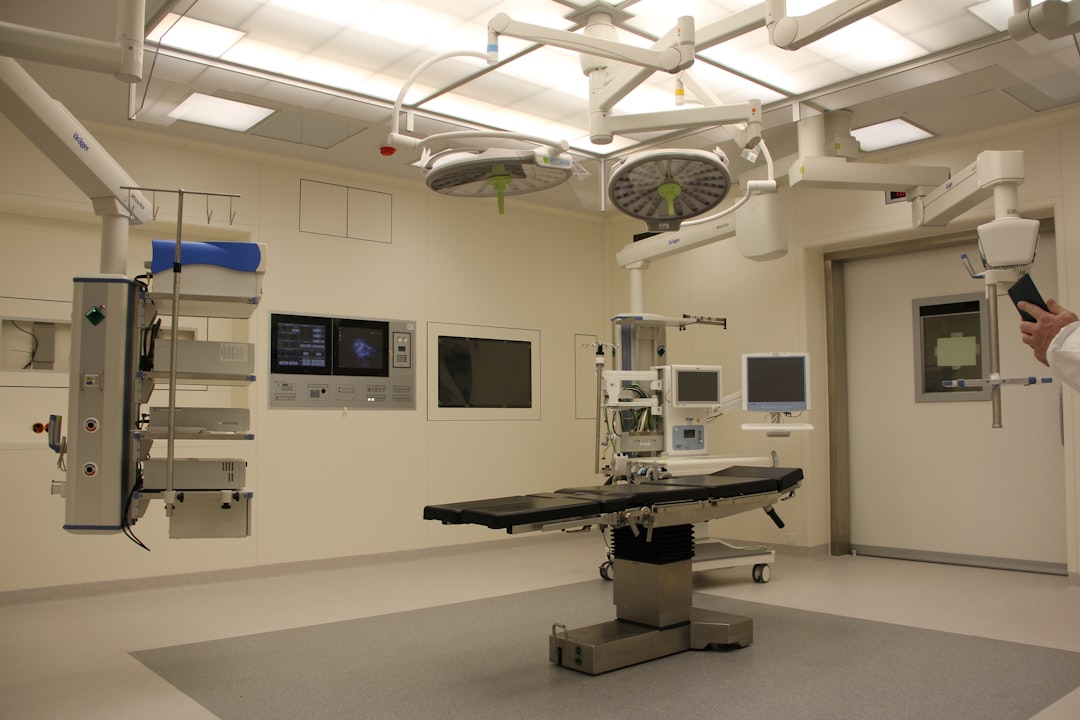
Medical devices have revolutionized healthcare by offering innovative treatments for various conditions and improving patient outcomes. When these devices malfunction, however, they can cause serious injuries, complications, or even fatalities for patients using them. It is therefore imperative that those affected understand the legal ramifications.
Recognizing defective medical devices
Defective medical devices include implants, pacemakers, and surgical instruments. To identify such an item as defective, one must identify malfunctions, design flaws, or manufacturing defects to make an assessment.
Legal theories
Patients injured by defective medical devices may seek legal recourse under product liability laws, typically including design or manufacturing flaws, failure to warn, breach of warranty, and failure to warn about risks.
Manufacturer liability
Manufacturers bear an immense responsibility to ensure the safety and efficacy of their medical devices, and injury law holds them responsible for any harm done to patients by defects caused by inadequate design, manufacturing mistakes, or warning deficiencies.
Negligence
Injury law often addresses cases of negligence when manufacturers do not exercise reasonable care when designing, manufacturing, or testing devices. Liability can also arise if healthcare providers or patients fail to be informed about potential risks that are associated with devices they have been prescribed or use themselves.
Multidistrict litigation and class action lawsuits
Injury Law offers MDL/class action proceedings when multiple people have been injured by one defective medical product. Multiple plaintiffs who share similar claims against device manufacturers can join together into a class action case, while MDL consolidates multiple jurisdictions' cases into one federal court for easier pretrial proceedings.
Legal options available to patients
If a defective medical device causes injury to its users, compensation can be sought for medical costs, pain and suffering as well as lost wages. They may even qualify for additional payments related to disabilities or long-term care needs.
Statute of limitations
Statute of limitations laws are an essential factor when taking legal action for defective medical equipment. They establish timelines within which patients can file claims; these vary by state and can often be complex - so taking legal action quickly is paramount to success.
FDA approval and regulatory oversight
Injury law scholars also take into account the regulatory environment governing medical devices from an injury law perspective. While the FDA is responsible for approving devices, instances in which it approves them through fast-track or without adequate testing could compromise liability claims and affect liability proceedings adversely.
Burden of proof
When it comes to defective medical devices, the burden of proof falls squarely on the plaintiff. They must prove both that it was faulty and that it caused their injuries directly to meet this burden evidence, expert testimony, and documentation must be gathered for presentation in court proceedings.
Seek legal representation
Patients affected by defective medical equipment should seek legal representation to help navigate the legal system, evaluate the merit and complexity of their case, and fight for fair compensation. Attorneys experienced in medical device litigation can guide patients through this process effectively and help secure maximum compensation.
Legal implications associated with defective devices in injury law can have far-reaching ramifications for patients affected by their impact. Individuals seeking compensation due to these devices should understand all available avenues and theories of legal recourse before seeking legal compensation for injuries caused by them. Injury law has evolved in response to these challenges by advocating patient rights while holding manufacturers responsible for producing safe medical devices. To hire an injury or accident lawyer here in Kansas City, contact Bautista LeRoy LLC through this number 816-221-0382 or email them at [email protected]. Serving Kansas City, MO and KS as well as surrounding areas of Benton County and St. Louis.
Summary
Hospitals are meant to facilitate patients with different kinds of needs. Inside are many medical devices that are used to treat various illnesses or injuries. However, when one of these devices is defective, it could have catastrophic results for patients, leaving them severely injured or worsening their condition. Manufacturers, even the hospital staff, could be held liable for their negligence:
- Poor design
- Manufacturing errors
- Inadequate quality control and
- Inadequate testing
- Lack of proper post-market surveillance
- Lack of proper warnings
If a lot of patients have been affected by the defective medical device, they can take legal steps through individual lawsuits or in a class action. This approach can help strengthen a case and increase the chances of having a successful claim. Affected patients can recover compensation for medical bills, income loss due to limitations on going back to work and for suffering pain.
However, time starts running after you have been injured due to a defective medical device. That is why you should reach out to an experienced personal injury attorney as soon as possible to protect you from powerful companies. The legal professionals of Bautista Leroy Law Firm have long been representing patients who suffer from malpractice, including defective medical devices. We can effectively investigate to get evidence, gather expert testimony and build a strong case. You can call us at 816-221-0382 or send us an email on our Contact Page to schedule a consultation.


Comments
There are no comments for this post. Be the first and Add your Comment below.
Leave a Comment